What Happens During a Well-Woman Exam: Step-by-Step Guide
5 min read
902 words
Preventive healthcare forms the foundation of maintaining your health and wellness as you move through different life stages. A well-woman exam stands out as one of the most valuable preventive care appointments available, offering comprehensive screening and evaluation designed specifically for your needs. These visits create space for addressing health concerns, receiving appropriate screenings, and establishing benchmarks for your ongoing wellness journey. Knowing what to expect can ease any anxiety and help you arrive feeling prepared. This examination serves as a cornerstone of proactive healthcare management for women at every age.
Preparing for Your Well-Woman Visit
Taking time to organize information before your appointment will make your visit more productive and meaningful. Start by gathering details about your medical history, any chronic conditions, surgeries, or hospitalizations you’ve experienced should be noted. You’ll want to have information ready about your menstrual cycle, including when your last period started, how regular your cycles tend to be, and whether you’ve noticed any unusual patterns. Create a list of all medications, vitamins, and supplements you’re currently taking, including dosages. Writing down health concerns, symptoms, or questions beforehand ensures nothing gets overlooked during your appointment. Don’t forget to compile information about your family medical history, especially any cancers, heart disease, diabetes, or other conditions that run in your family. Having these details at hand helps your healthcare provider deliver the most thorough care possible.
The Initial Health Assessment and Discussion
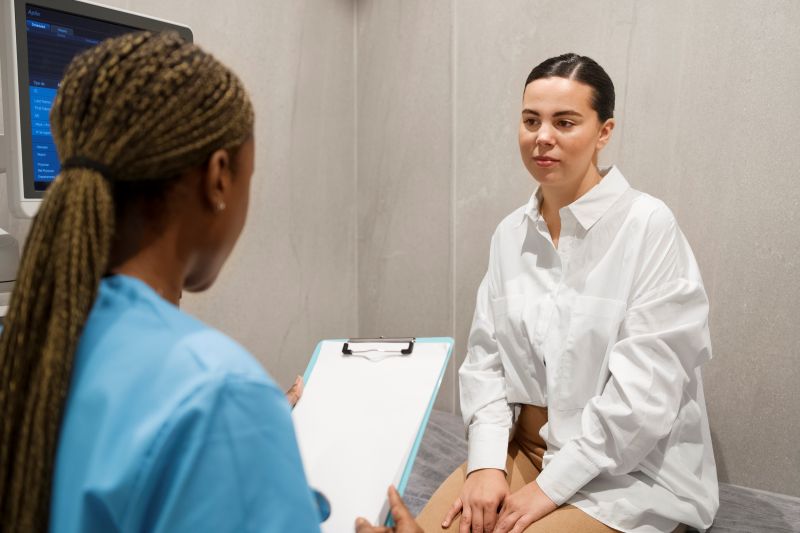
Your well-woman exam usually starts with a comprehensive review of your current health and medical background. You’ll have a conversation with your healthcare provider about general health topics, lifestyle habits, stress levels, how much you exercise, and what your diet typically looks like. This discussion naturally extends to sexual health, contraception preferences, and any questions you might have about fertility or pregnancy planning. Mental health forms an important part of this conversation too, with questions about anxiety, depression, and how you’re feeling emotionally. Preventive health topics such as smoking cessation, alcohol use, and substance use typically come up as well. According to the American College of Obstetricians and Gynecologists, these conversations create the foundation for personalized care recommendations that actually fit your life. Your provider uses everything you share to spot potential risk factors and figure out which screenings and preventive measures make the most sense for you.
Physical Examination Components
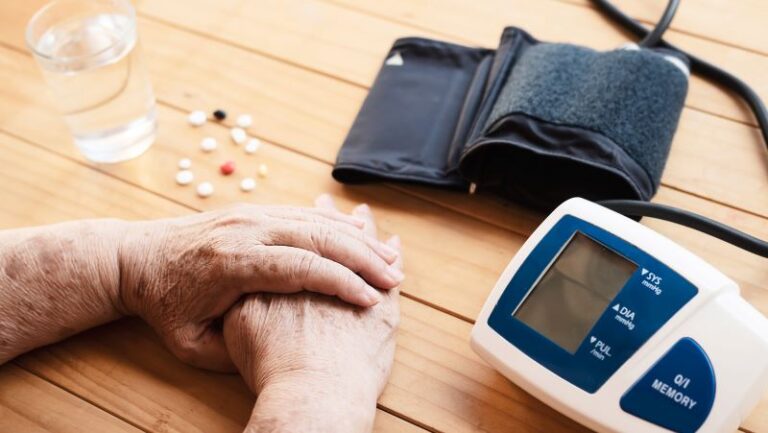
The physical examination phase of your well-woman visit includes several standard assessments that paint a picture of your overall health. Your healthcare provider will check vital signs, blood pressure, heart rate, weight, and height, to calculate your body mass index and track changes over time. A general physical exam might involve listening to your heart and lungs, examining your thyroid gland, and checking your abdomen for anything unusual. Your provider will perform a breast examination to look for lumps, tissue changes, or other concerns that might need additional evaluation.
Screening Tests and Procedures
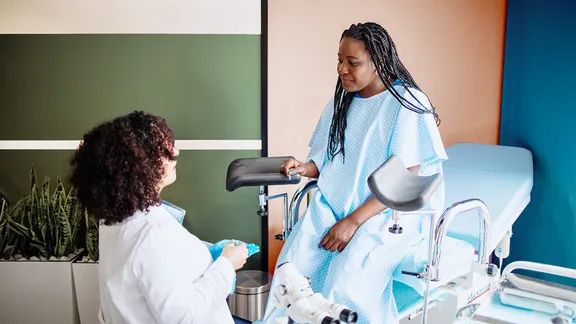
Various screening tests might be performed during your well-woman exam, depending on your age, risk factors, and medical background. A Pap test (sometimes called a Pap smear) collects cells from your cervix to check for cervical cancer and precancerous changes that need monitoring. Based on your age and previous results, you might also receive HPV testing, which can happen separately or alongside the Pap test. When scheduling preventive care appointments, women rely on their gynecologist in Richmond, VA to perform testing for sexually transmitted infections, chlamydia, gonorrhea, HIV, and others based on individual risk factors and sexual history. Your provider might suggest blood work to evaluate cholesterol levels, blood sugar, thyroid function, or vitamin deficiencies that could affect your health. Depending on where you are in life and your personal risk profile, additional screenings like bone density tests, mammograms, or genetic testing for hereditary conditions might come up in conversation. These screening procedures serve as essential tools for catching and preventing serious health conditions early.
Preventive Care and Health Education
A meaningful portion of your well-woman exam centers on preventive care measures and health education customized for your situation. Your healthcare provider will look at your vaccination record and suggest any immunizations you’re due for, whether that’s flu shots, HPV vaccines, or other age-appropriate options. You’ll receive guidance about maintaining a healthy lifestyle, with practical advice on nutrition, exercise routines, and ways to manage stress more effectively. If you’re in your reproductive years, expect to discuss contraception choices, preconception planning, or fertility questions that matter to your current circumstances. For women nearing or going through menopause, conversations often shift to symptom management and long-term health considerations tied to hormonal transitions. Your provider will circle back to any specific concerns you mentioned earlier and offer resources or referrals when appropriate. This educational piece empowers you to make informed choices about your health and build habits that support wellness for years to come.
Conclusion
Well-woman exams form an essential pillar of comprehensive healthcare that recognizes your unique needs throughout every life stage. These appointments open doors for early detection of health issues, preventive care measures, and honest conversations about your overall wellness. Attending regular well-woman exams puts you in the driver’s seat of your health, helping prevent potential complications before they start. Understanding what happens during these visits takes away the mystery and encourages more open dialogue with your healthcare provider. Schedule your well-woman exam annually, or follow whatever timeline your provider recommends based on your age and health profile, to maintain optimal preventive care.