Baby Registry Must-Haves: What New Parents Actually Need
12 min read
2339 words
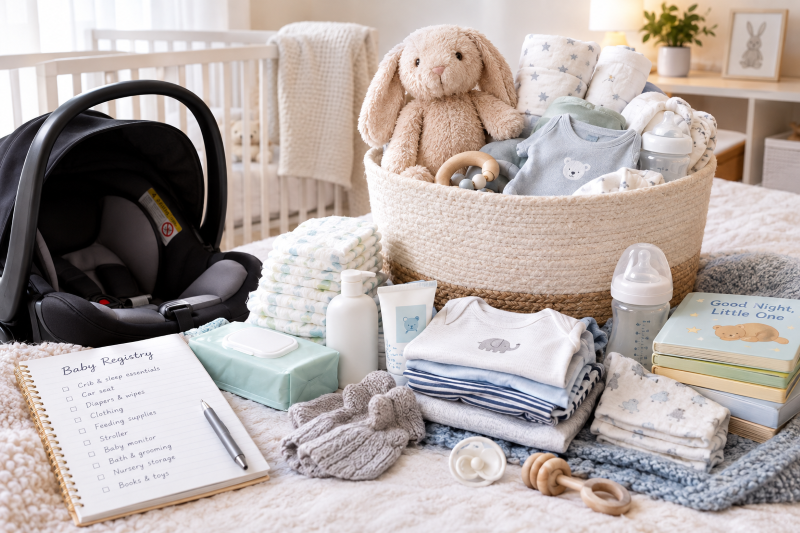
Preparing for a new baby is an exciting time, but creating a baby registry can quickly become overwhelming. Browse a baby store or shop online, and you’ll find hundreds of products promising to make life with a newborn easier. From high-tech baby monitors to adorable nursery accessories, it’s easy to feel as though you need everything.
The truth is that you don’t need every baby product on the market. A well-planned baby registry focuses on the essentials that help you care for your newborn, keep them safe, and make everyday routines more manageable.
Whether you’re expecting your first baby, helping a friend prepare for parenthood, or searching for practical baby shower gift ideas, this guide covers the baby registry must-haves worth considering, along with a few optional extras that may make life with a newborn easier.
1. A Safe Crib and Baby Sleep Essentials

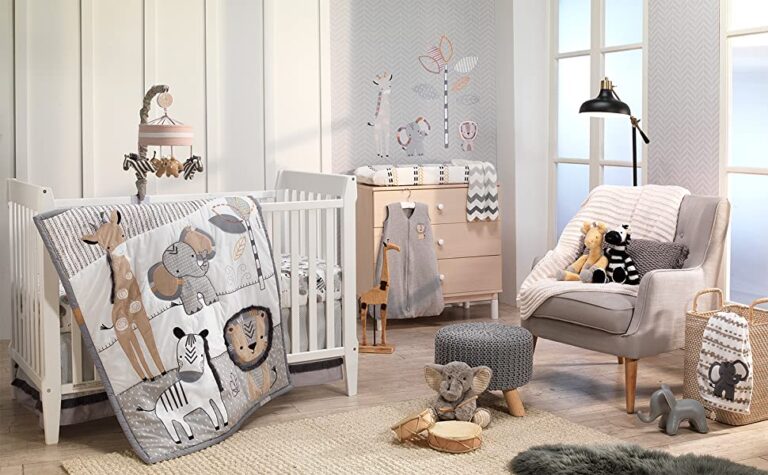
A safe place for your baby to sleep should be one of the first items on your registry. While nursery furniture comes in many styles and price ranges, safety should always take priority over appearance.
Consider adding these essentials to your registry:
- A crib, cradle, or bassinet that meets current Canadian safety requirements.
- A firm, flat mattress designed specifically for the sleep space.
- Several fitted sheets that fit snugly.
- A properly sized wearable blanket or sleep sack, if desired.
For every sleep, place your baby on their back on a firm, flat surface with only a fitted sheet. Keep pillows, loose blankets, stuffed toys, and other soft items out of the sleep space. Health Canada recommends room-sharing with your baby for the first six months. Read Health Canada’s safe sleep guidance.
When shopping, check current Canadian safety requirements and the manufacturer’s instructions. Choose products appropriate for your baby’s age, size, and development.
Registry tip: You don’t need an elaborate nursery to create a welcoming space. Start with the sleep essentials and add furniture and decorations as your budget allows.
2. A Reliable Infant Car Seat
If your family travels by car, an appropriate car seat is an essential purchase. Choosing one that suits your vehicle, budget, and daily routine is more important than buying the most expensive model.
When comparing car seats, consider:
- Whether the seat meets Canadian safety requirements.
- Whether it is appropriate for your baby’s height and weight.
- How easily it can be installed correctly in your vehicle.
- Whether it fits comfortably in your car alongside other passengers.
- The manufacturer’s instructions for cleaning, use, and expiration.
Some families prefer an infant carrier that can be removed from its base, while others choose a convertible seat that accommodates a child through multiple stages. The right option depends on your family’s needs and the manufacturer’s specifications.
Registry tip: Ask family members to contribute toward a car seat if it is outside your budget. A practical safety essential is often a better priority than a decorative accessory.
3. Diapers, Wipes, and Changing Supplies
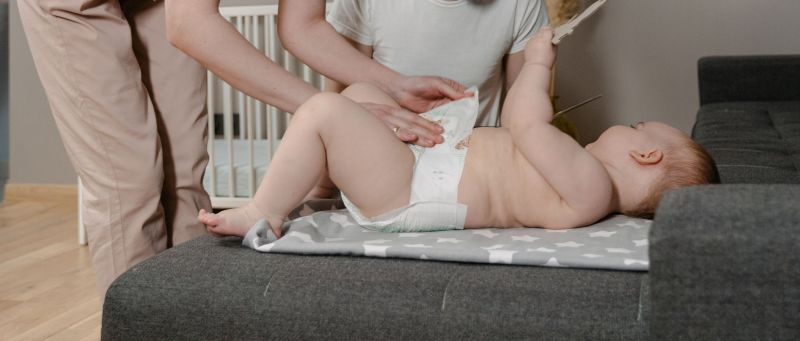
Newborns need frequent diaper changes, so having a convenient changing setup can make everyday care easier.
Your registry might include:
- Newborn or size-one diapers in a modest quantity.
- Fragrance-free wipes or other suitable cleaning supplies.
- A washable changing pad or suitable changing surface.
- Diaper disposal bags.
- A diaper cream suitable for your baby’s needs.
- A portable changing mat for outings.
- A diaper bag with enough room for everyday essentials.
Avoid stocking up on large quantities of a single diaper size before you know which brand fits your baby comfortably. Babies grow quickly, and families often discover their preferences only after trying a few products.
A dedicated changing table is optional. A dresser with a suitable changing surface can be a practical alternative, provided your baby is never left unattended on an elevated surface.
Planning your baby’s room is another important part of getting ready for your new arrival. Explore our guide to How to Create the Perfect Baby Nursery for decorating ideas, furniture suggestions, and practical tips for creating a welcoming space.
4. Baby Clothes and Everyday Essentials
Tiny baby clothes are difficult to resist, but a newborn’s wardrobe doesn’t need to be extensive. Babies grow quickly, and you’ll likely receive plenty of adorable outfits as gifts.
Focus on comfortable clothing that is easy to put on and take off.
Useful registry items include:
- Bodysuits in a few sizes.
- Sleepers with convenient closures.
- Socks, depending on the season.
- Weather-appropriate outerwear.
- Soft washcloths and towels.
- Receiving blankets for supervised use outside the sleep space.
Choose clothing that is easy to wash and suitable for your climate. Rather than buying everything in newborn size, include a mixture of sizes so your baby has something to wear as they grow.
If you’re looking for a personalized baby gift, you might also enjoy our article about personalized pacifiers. When choosing pacifiers, check current safety recommendations, age suitability, and product instructions.
5. Feeding Supplies for Your Family’s Needs
Feeding supplies will depend on whether you plan to breastfeed, formula-feed, or use a combination of both. There is no single shopping list that works for every family, so prioritize the items that suit your circumstances.
For breastfeeding, you may wish to consider:
- Nursing bras and comfortable clothing.
- Breast pads.
- Nipple cream, if needed.
- A supportive pillow for your comfort while feeding.
- A breast pump if it suits your feeding plans or circumstances.
- Milk storage containers or bags compatible with your chosen system.
For bottle-feeding, consider:
- A small selection of bottles and appropriate nipples.
- A bottle brush.
- A suitable drying area.
- Formula and preparation supplies appropriate for your baby’s needs, if using formula.
A bottle sterilizer or bottle warmer may be convenient, but neither is automatically necessary for every household. Follow Canadian public health guidance and the manufacturer’s instructions for preparing, storing, and handling infant formula and expressed milk.
If you’re uncertain about which products you need, a healthcare professional or lactation consultant can help you make decisions based on your feeding plans.
6. A Stroller and Baby Carrier
Getting outside with a newborn can be a welcome change of scenery. A stroller or baby carrier can help you manage walks, errands, and family outings.
Before adding a stroller to your registry, think about how you’ll use it.
For everyday walks: Look for comfortable handling, suitable seating for your baby’s age, storage space, and a fold that works with your vehicle and home.
For city living: Consider the stroller’s size, weight, maneuverability, and ability to fit through your building’s doorways and elevators.
For travel: A compact folding stroller may be useful, but check its age and developmental suitability before using it with a newborn.
A baby carrier or wrap is another option for keeping your hands available while carrying your child. Choose one that supports your baby’s size and developmental stage, follow the manufacturer’s positioning instructions, and keep your baby’s face visible with their airway unobstructed.
You don’t necessarily need both a premium stroller and several carriers. Start with the option that best suits your daily routine and expand later if needed.
7. A Baby Monitor for Peace of Mind
A baby monitor can help caregivers hear or see their baby while they’re in another room. Models range from simple audio monitors to video systems with additional features.
When comparing baby monitors, consider:
- Audio-only versus video monitoring.
- Range and reliability in your home.
- Battery life and portability.
- Night-vision quality, if choosing a video model.
- Privacy and security features for connected devices.
- Whether the additional features justify the cost.
A basic monitor may be sufficient for many families, while others prefer video or app-connected options.
Remember that a monitor does not prevent sleep-related accidents or replace safe sleep practices. Avoid relying on consumer monitors that claim to predict or prevent medical problems.
8. Bathing and Baby Care Supplies
Bath time and everyday grooming require relatively few products. A small collection of practical supplies is usually enough to get started.
Consider adding:
- Soft washcloths.
- A couple of absorbent towels.
- A baby bathtub or another suitable bathing arrangement.
- A gentle cleanser, if needed.
- A digital thermometer appropriate for infants.
- Baby nail clippers or a file.
- A soft brush.
- A nasal aspirator, if useful for your family.
Newborn skin can be sensitive, so avoid filling your registry with heavily fragranced lotions, bath products, and unnecessary toiletries.
Always supervise your baby closely during bathing, keep supplies within reach before you begin, and never leave a baby alone in or near water, even briefly.
9. Nursery Storage and Organization
You don’t need an elaborate nursery to create a functional space. A few well-chosen storage solutions can help keep diapers, clothing, blankets, and everyday supplies organized.
Useful options include:
- Drawer dividers for small clothing items.
- Baskets for frequently used supplies.
- Closet organizers.
- A laundry hamper.
- Shelving installed securely and positioned safely.
- Storage containers for items your baby will use later.
Choose solutions that fit your space and make everyday tasks easier. If you’re working with a small nursery, vertical storage and multipurpose furniture can help maximize the available space.
Decorative details can also make the nursery feel more personal. Wall art, removable decals, and growth charts are options to explore once the essential furniture and safety considerations are in place.
10. Books, Toys, and Baby Keepsakes
You don’t need a large toy collection for a newborn. A few age-appropriate items and books are enough to begin introducing your baby to the world around them.
Consider adding:
- Sturdy board books.
- High-contrast picture cards.
- Age-appropriate rattles.
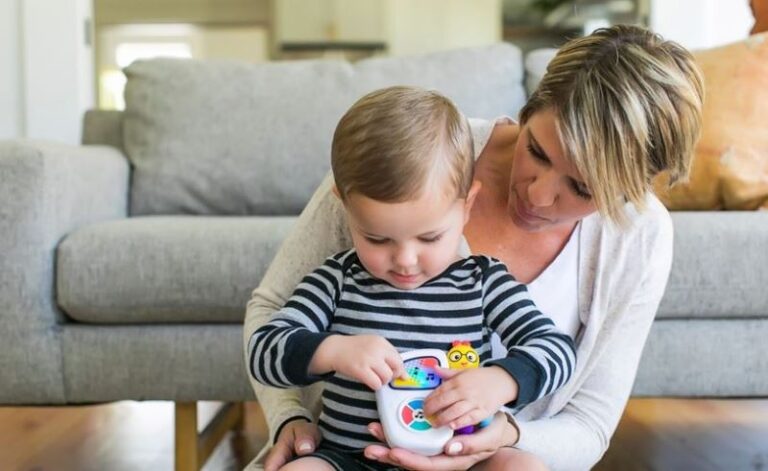
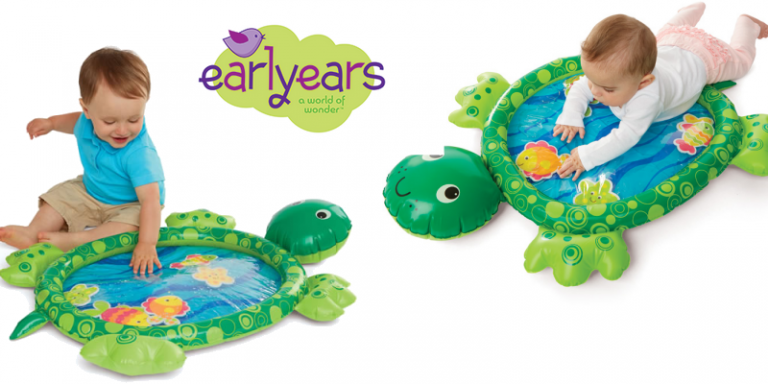
- A supervised play mat.
- A baby-safe mirror designed for its intended use.
- A memory book or keepsake box.
- Milestone cards or another way to record important dates.
Choose toys suitable for your baby’s age and developmental stage, and check regularly for damage or small parts that could present a choking hazard.
Keepsakes are especially meaningful because they help preserve memories of the early years. A memory book, a collection of photographs, or a growth chart can become a treasured reminder of how quickly your baby changes.
A growth chart is a lovely way to record childhood milestones. Read our review of Oliver’s Labels Growth Chart Decals to explore a decorative alternative to traditional height charts. Product designs and availability may have changed since the original review was published.
Baby Registry Extras: What You Can Probably Skip
Baby products can be appealing, particularly when they’re marketed as must-haves. However, many accessories are optional and may not suit every household.
Depending on your needs, you may be able to wait before purchasing:
- A dedicated wipe warmer.
- An elaborate diaper disposal system.
- Multiple bottle warmers or sterilizing appliances.
- Large collections of newborn outfits.
- Expensive nursery decorations.
- Several different baby carriers before trying one.
- Large quantities of skincare products your baby may not need.
This doesn’t mean these products are never useful. Some families appreciate the convenience they offer. The important thing is to consider whether a product solves a genuine problem for your household before adding it to your registry.
How to Create a Baby Registry on a Budget
Preparing for a baby can be expensive, but thoughtful planning can help you focus your spending on the essentials.
Prioritize safety-related purchases. Set aside money for an appropriate car seat, safe sleep space, and other necessary equipment before buying decorative extras.
Compare prices and features. Read product specifications, check warranties, and compare the total cost rather than choosing based on appearance alone.
Ask for group gifts. Larger items, such as strollers or nursery furniture, may be easier for family and friends to purchase together.
Choose versatile products. Items that can serve your family for several years may provide better value than products with a very short period of use.
Wait on uncertain purchases. You can add optional products after your baby arrives and you have a clearer idea of what works for your family.
Check second-hand items carefully. Some clothing, books, and basic furnishings can be purchased used. For safety-critical equipment, such as car seats and cribs, verify the product’s history, condition, recalls, and compliance with current Canadian requirements before considering it.
Frequently Asked Questions About Baby Registry Essentials
When should you start a baby registry?
Many parents start creating their registry during the second trimester, giving themselves time to research products, compare prices, and share the list with family and friends. However, there is no single right time to begin.
How many items should a baby registry have?
There is no required number. A smaller registry focused on your family’s actual needs can be more useful than a long list of products you may never use. Consider including essentials at different price points so guests have options.
What are the most important baby registry items?
A safe sleep space, an appropriate car seat if travelling by car, diapers and changing supplies, suitable clothing, and feeding supplies for your family’s needs are good starting points. Your priorities may vary depending on your living arrangements, climate, and transportation needs.
Should you include expensive items on a baby registry?
Yes, if they’re items you genuinely need. Group gifting can make larger purchases more manageable, and guests can choose whether to contribute or purchase smaller items instead.
What should you buy before your baby arrives?
Prepare the essential items you’ll need for safe sleep, transportation, feeding, diaper changes, and clothing. You can purchase many optional accessories after your baby arrives, once you better understand your daily routine.
Final Thoughts: Focus on What Your Family Really Needs
Creating a baby registry should be an enjoyable part of preparing for your new arrival, not a source of pressure to buy every product available.
Start with the essentials, choose products that suit your lifestyle, and leave room to discover what works best for your family. A safe sleep space, suitable transportation equipment, feeding supplies, diapers, and practical clothing will help you prepare for many of your baby’s everyday needs.
Add nursery decorations, books, toys, and keepsakes as your budget allows. The goal isn’t to build the biggest registry. It’s to make thoughtful choices that help you welcome your baby with confidence.
Product availability, prices, and safety requirements can change. Always check current Canadian guidance and manufacturer instructions before purchasing or using baby products.