
How to Create the Perfect Baby Nursery: Decorating Tips
7 min read
1329 words
Preparing for a new baby is an exciting time, and designing the nursery is often one of the most enjoyable parts of getting ready for your little one’s arrival. From choosing colours and furniture to adding meaningful decorative touches, every decision helps create a welcoming space for your growing family.
The best baby nursery combines style, comfort, functionality, and safety. Whether you’re starting with an empty room or refreshing an existing space, these baby nursery decorating ideas will help you create a room that works for your family now and as your child grows.
Planning Your Baby Nursery

Before purchasing furniture or choosing paint colours, take some time to plan your nursery. Consider the size and layout of the room, the location of windows and electrical outlets, and how you will use the available space.
Think about where the crib, changing area, storage furniture, and feeding chair will go. Leaving enough room to move around comfortably will make everyday tasks easier, especially during those first few months.
Creating a simple mood board can also help you bring your ideas together. Collect paint samples, fabric swatches, furniture inspiration, and pictures of nursery styles you love. This makes it easier to choose complementary colours and avoid buying items that don’t work well together.
You don’t need to purchase everything at once. Start with the essentials and add decorative details as your plans take shape.
Choosing Colours for Your Baby’s Room
The colour scheme sets the tone for your nursery. Soft neutrals, gentle greens, warm whites, muted blues, and dusty pinks are popular choices because they create a calm, welcoming appearance.
However, there is no single colour palette that every nursery needs. Choose colours you enjoy and that work well with the room’s natural light and existing furnishings.
If you prefer a more colourful space, introduce brighter shades through artwork, cushions for the nursing chair, curtains, or other decorative accessories. These accents can add personality without requiring a complete redesign.
A neutral colour scheme can also make it easier to update the room as your child gets older. Changing the wall art, bedding, or accessories can give the space a fresh look without repainting the entire room.
Choosing Nursery Furniture and Décor
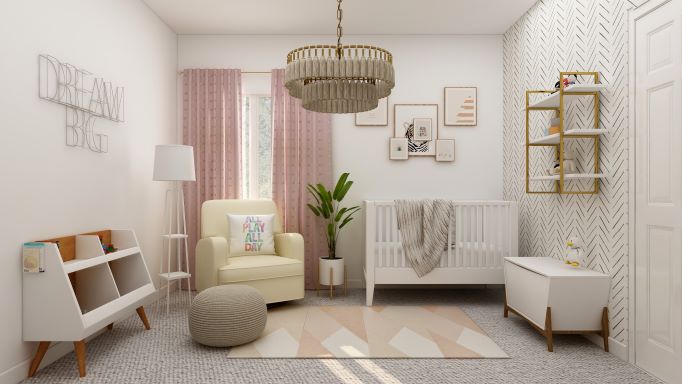
Nursery furniture should be practical, durable, and suitable for your available space. Before buying anything, consider which items your family will use most frequently.
Crib: Choose a crib that meets current Canadian safety requirements. Follow the manufacturer’s instructions and keep the sleep space free of pillows, blankets, stuffed toys, and other soft items.
Changing area: A changing table or dresser with a suitable changing surface can make diaper changes more convenient. Keep supplies organized and within reach, but always keep one hand on your baby and never leave them unattended on an elevated surface.
Comfortable chair: A supportive chair or glider can be useful for feeding, cuddling, and reading stories together. Consider the available space and choose something comfortable enough for everyday use.
Storage solutions: Drawers, shelves, baskets, and closet organizers can help keep clothing, diapers, books, and other essentials organized. Secure furniture to the wall according to the manufacturer’s instructions to reduce the risk of tipping.
When choosing furniture, consider how your needs may change over time. A versatile dresser, adaptable storage, and classic decorative pieces can continue to be useful well beyond the baby years.
Creating a Safe Baby Nursery
Safety should always come before appearance when designing your baby’s room.
Keep these important considerations in mind:
- Create a safe sleep space. Place your baby on their back on a firm, flat mattress with a fitted sheet in a crib that meets current safety standards. Keep loose bedding, pillows, bumpers, and toys out of the crib.
- Secure furniture. Anchor dressers, bookcases, and other tall furniture to the wall using appropriate hardware.
- Keep cords out of reach. Position window coverings and electrical cords away from the crib and other areas where your child sleeps or plays.
- Choose decorations carefully. Ensure wall art, shelves, mirrors, and other decorative objects are securely installed and cannot fall into the crib.
- Plan for changing needs. As your baby becomes more mobile, reassess the room for accessible outlets, reachable objects, furniture-climbing hazards, and other potential dangers.
For Canadian parents, Health Canada provides guidance on crib safety and creating a safe sleep environment. Always check current recommendations when preparing your nursery.
Personalizing Your Nursery With Meaningful Details
Once you’ve arranged the essential furniture, it’s time to add the details that make the nursery feel personal.
Family photographs, framed artwork, handmade decorations, and favourite storybooks can give the room a sense of warmth and individuality. You might choose a woodland theme, a colourful animal design, a starry night sky, or a simple combination of patterns and textures.
Wall decorations can also help bring your chosen theme together. Removable wall decals, for example, offer a way to introduce playful illustrations without committing to a permanent painted design. Follow the manufacturer’s installation instructions and keep decorations securely positioned away from the crib.
Another lovely addition is a decorative growth chart. Rather than marking measurements directly on a wall, a growth chart provides a dedicated place to record your child’s height as they grow. Over time, those measurements can become a treasured reminder of childhood milestones.
For inspiration, take a look at our Oliver’s Labels growth chart decals review, which explores a decorative alternative to traditional height charts.
The key is to choose personal touches that complement the room without overcrowding it. A few meaningful details can make a nursery feel special while leaving plenty of space for everyday life.
Adding the Finishing Touches
The final details can help bring your nursery design together, but practical considerations should guide your choices.
Consider blackout window coverings if you want to make it easier to darken the room for sleep. Ensure cords are inaccessible and that the window coverings are installed safely.
A dimmable light can be useful during nighttime feedings and diaper changes. Choose lighting that provides enough visibility for care tasks without illuminating the entire room unnecessarily.
Storage baskets and drawer organizers can keep frequently used supplies accessible to caregivers while helping the room remain tidy. Washable curtains and easy-to-clean surfaces can also make maintenance simpler.
If you add a rug, position it securely to reduce slipping and tripping hazards. Keep soft furnishings and decorative accessories out of your baby’s sleep space.
Remember that a nursery doesn’t have to be completed in a single shopping trip. You can add artwork, books, and other decorative touches over time as you discover what works best for your family.
Creating a Nursery That Grows With Your Child
Your baby’s needs will change as they grow, so it helps to choose a design that can evolve with them.
Neutral furniture, adaptable storage, and removable decorations make it easier to transition from a nursery to a toddler’s room. You can refresh the space by changing artwork, introducing new colours, or displaying books and toys that reflect your child’s developing interests.
You may also want to keep a few special items from the early years, such as a favourite book, a framed photograph, or a record of your child’s height. These small reminders can become meaningful keepsakes as the years pass.
Above all, remember that you don’t need an elaborate or expensive nursery to create a welcoming space. Thoughtful planning, safe furniture, practical storage, and a few personal touches are often all you need.
Final Thoughts
Designing a baby nursery is an opportunity to prepare a comfortable, functional space for one of life’s most exciting new chapters.
By planning your layout, choosing furniture carefully, prioritizing safety, and incorporating meaningful decorative details, you can create a nursery that reflects your family’s style and meets your baby’s needs.
Take your time, enjoy the process, and remember that the most important part of any nursery isn’t the décor or the furniture. It’s the love, care, and memories that will fill the room as your family grows.