How to Choose the Best Diaper Rash Cream for Sensitive Skin
8 min read
1514 words
Finding the right diaper rash cream can be challenging, especially when your baby has sensitive skin. With so many products available, choosing one that protects delicate skin without introducing unnecessary irritants can feel overwhelming. Some creams work well for one baby but may not suit another, making it important to understand what to look for before purchasing.
When my daughter was just six weeks old, she developed a stubborn diaper rash, and finding a suitable product became a priority. That experience taught me how important it is to pay attention to ingredients, skin sensitivity, and how a product works for an individual baby.
Over the years, I’ve also come to appreciate Sudocrem. I’ve used it for my own rashes as well as for its traditional use in diaper rash care, and it is a product I personally swear by. While everyone’s skin is different, having products you trust can make dealing with everyday skin irritation a little easier.
1. Look for Fragrance-Free Formulas
When shopping for a diaper rash cream, start by checking the ingredient label. Fragrances can irritate some babies’ delicate skin, particularly when the skin is already red or inflamed.
Choose a fragrance-free formula whenever possible. Be aware that unscented does not necessarily mean fragrance-free, as some products use ingredients to mask other smells.
It is also worth reviewing the ingredients in your baby’s wipes, bath products, and laundry detergent. If irritation keeps returning, a product used elsewhere in your baby’s routine could be contributing to the problem.
Introducing one new product at a time can make it easier to identify a possible trigger.
2. Understand the Difference Between Zinc Oxide and Petroleum Jelly
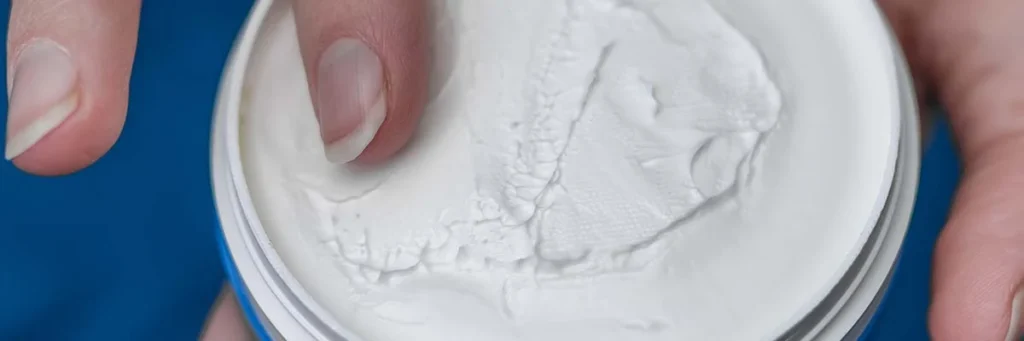
Two common ingredients in diaper rash products are zinc oxide and petrolatum, also known as petroleum jelly. Both can help protect the skin from moisture and irritants.
Zinc oxide: Often found in diaper rash creams and pastes, zinc oxide creates a protective barrier between delicate skin and the contents of the diaper. It is a common choice when redness and irritation are present.
Petrolatum: This ingredient helps form a moisture barrier that reduces direct contact between the skin and wetness. It is found in many ointments and protective skin products.
Neither ingredient is automatically the best choice for every baby. Consider the condition of your baby’s skin, the product’s full ingredient list, and any advice from your healthcare professional.
For routine diaper rash protection, a suitable barrier product is often a sensible starting point.
3. Keep the Ingredient List Simple
Babies with sensitive skin may react to certain ingredients in skincare products. Although a longer ingredient list does not automatically make a product unsuitable, choosing a straightforward formula can make it easier to identify potential irritants.
When comparing diaper rash creams, consider the following:
- Fragrance-free ingredients: These may reduce exposure to a common source of irritation.
- Protective barrier ingredients: Look for established ingredients such as zinc oxide or petrolatum.
- Age suitability: Check that the product is appropriate for your baby’s age.
- Clear directions: Follow the manufacturer’s instructions for application and frequency of use.
Avoid assuming that a product labelled natural, organic, hypoallergenic, or dermatologist-tested will automatically suit every baby. These descriptions do not guarantee that a particular formula will be free from ingredients that could trigger an individual reaction.
If your baby has a known allergy or a history of skin reactions, ask your pharmacist or healthcare professional for help selecting an appropriate product.
4. Choose a Texture That Is Easy to Apply
Diaper rash products come in several forms, including creams, ointments, and thick pastes. Their textures can affect how easily they spread and how they feel on the skin.
Creams are often easier to spread, while thicker pastes may provide a substantial protective layer. Ointments can also be useful for creating a barrier against moisture.
There is no single texture that works best for every family. Consider how easily the product can be applied during diaper changes and whether it stays in place as intended.
For many uncomplicated diaper rashes, applying a suitable barrier product to clean, dry skin can help protect the irritated area. Follow the product directions and avoid unnecessary rubbing when removing residue.
5. Sudocrem: A Product I Swear By
Sudocrem is another product I have kept on hand over the years. I have used it for diaper rash as well as minor rashes and irritated skin on myself, and it has become one of those products I like having available when needed.
Its zinc oxide-based formula helps create a protective barrier over the skin, which can be useful when moisture and friction are contributing to irritation. Because every baby’s skin is different, however, it is still important to follow the current product directions and pay attention to how your baby’s skin responds.
If you would like to learn more about my experience with this product, you can read my guide to using Sudocrem for diaper rash.
6. Pay Attention to How Your Baby’s Skin Responds
A product that works well for another family may not be the right choice for your baby. Every child’s skin is different, and even products designed for sensitive skin can occasionally cause irritation.
When trying a new diaper rash cream, pay attention to whether the redness improves, remains unchanged, or becomes worse. If the rash repeatedly appears after using a particular product, discontinue it and seek advice if needed.
Avoid switching between several new creams, wipes, and diaper brands at once. Making one change at a time may help you identify what is affecting your baby’s skin.
Remember that not every diaper rash is caused by ordinary irritation. Some rashes are associated with yeast, bacterial infections, or other skin conditions that require different treatment.
7. Remember That Diaper-Changing Habits Matter Too
Even the best diaper rash cream cannot replace good diaper-changing habits. Keeping the diaper area clean and reducing prolonged exposure to moisture are important parts of preventing and managing irritation.
A few simple steps can help:
- Change wet and soiled diapers promptly.
- Clean the area gently with lukewarm water and a soft cloth or fragrance-free wipes.
- Avoid scrubbing irritated skin.
- Pat the area dry or allow it to air-dry before applying a barrier product.
- Give your baby short periods without a diaper when practical.
- Make sure the diaper fits comfortably without excessive rubbing.
If the previous layer of barrier cream is still clean, you generally do not need to scrub it completely off at every diaper change. Gently remove soiled material and reapply the product according to its directions.
These small habits can make a meaningful difference when caring for a baby’s delicate skin.
8. My Experience Finding a Diaper Rash Cream
When my daughter was six weeks old, she developed a diaper rash after reacting to a petroleum-based cream we had been using. We initially tried Penaten Diaper Rash Treatment, a product I was familiar with from raising my older children.
After three days, her rash had not improved as we had hoped. We decided to try SkinFix Diaper Rash Paste instead.
I immediately noticed that it had a different appearance and creamy texture from other diaper creams I had used. Most surprisingly, her rash appeared to clear by the following day.
This was our personal experience, and I understand that every baby is different. However, it reinforced the importance of finding a product that suits a baby’s individual skin needs rather than assuming one brand will work for everyone.
You can read more about our experience in my SkinFix Diaper Rash Paste review.
9. When Should You Contact a Healthcare Professional?
Most mild diaper rashes can be managed with gentle cleansing, frequent diaper changes, and an appropriate barrier product. However, some rashes need medical attention.
Contact your baby’s healthcare professional if the rash is getting worse, is particularly painful, develops blisters or open sores, or does not improve after a few days of appropriate care. Seek prompt medical advice if your baby has a fever, appears unwell, or develops signs of infection.
Do not assume that every persistent rash needs a stronger diaper cream. A healthcare professional can help determine whether the problem is irritation, an allergic reaction, an infection, or another skin condition.
Avoid using medicated creams, including steroid or antifungal products, unless they are appropriate for your baby and used according to professional advice or the product’s directions.
Final Thoughts: Finding the Right Diaper Rash Cream
Choosing the best diaper rash cream for sensitive skin does not have to be complicated. Start with a fragrance-free product containing a suitable barrier ingredient, review the label carefully, and pay attention to how your baby’s skin responds.
My experiences with my daughter’s sensitive skin and with products such as Sudocrem and SkinFix have taught me that finding the right skincare product can take some trial and error. I also know from personal experience that Sudocrem has been useful for my own rashes.
What works for one person or baby may not work for another, so patience and careful observation are essential. With a thoughtful approach, you can make more informed choices about skincare and know when it is time to seek professional advice.