Best Shoes for Men With Plantar Fasciitis: What to Look For
8 min read
1518 words
Finding comfortable shoes can be challenging when every step seems to aggravate your heel pain. For men living with plantar fasciitis, everyday activities such as walking the dog, shopping, commuting, or standing at work can become uncomfortable. Choosing footwear that fits well and provides appropriate support may help make these activities more manageable.
Although no single shoe works for everyone, understanding which features to look for can make shopping easier. From cushioning and arch support to heel stability and toe room, a few important details deserve your attention before buying your next pair of shoes.
Understanding Plantar Fasciitis
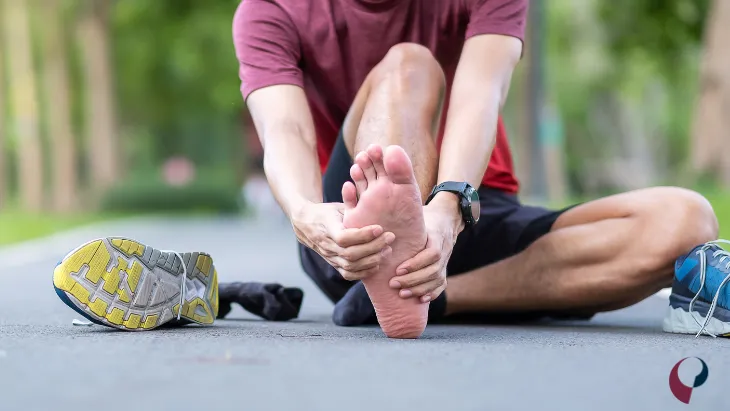
Plantar fasciitis is a common cause of pain around the heel and bottom of the foot. It involves the plantar fascia, a thick band of connective tissue that runs along the sole and helps support the foot’s arch.
One characteristic symptom is sharp heel pain with the first steps in the morning or after sitting for a while. The discomfort may ease as you move around, but prolonged standing, walking, or other activities can make it worse.
Plantar fasciitis can have several contributing factors, including changes in activity levels, repetitive loading, limited ankle flexibility, and individual foot mechanics. Footwear is only one part of managing symptoms, but shoes that feel uncomfortable or unstable may make walking more difficult. The Mayo Clinic’s guide to plantar fasciitis diagnosis and treatment provides further information about treatment options.
If heel pain is persistent, severe, or interfering with everyday activities, consult a healthcare professional for an assessment and advice about treatment.
What to Look for in Shoes for Plantar Fasciitis
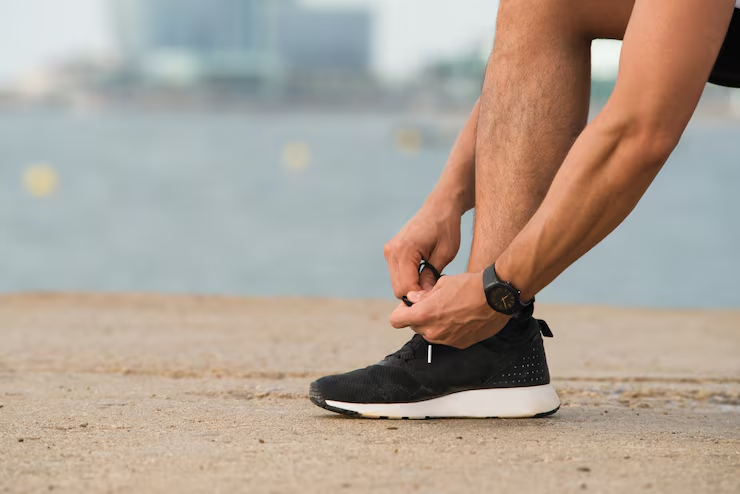
1. Comfortable Cushioning
Walking on hard surfaces can be uncomfortable when your heels are already sensitive. Shoes with cushioning under the heel and forefoot may improve comfort by reducing the harsh feeling of each step.
However, more cushioning is not automatically better. Some highly cushioned shoes can feel unstable, particularly if the sole is excessively soft or tall. Look for a shoe that feels comfortable while still providing a stable platform for walking.
Try walking in the shoes for several minutes before deciding whether the cushioning suits you.
2. Supportive Arch Design
Arch support is another feature worth considering. Shoes with a contoured footbed may help distribute pressure across the foot, although the amount and shape of support that feels comfortable vary between individuals.
The arch should feel supported rather than painfully pressed. If a shoe creates a new pressure point or makes your symptoms worse, it may not be the right choice for you.
You do not necessarily need the most rigid or heavily structured shoe available. A comfortable fit and suitable support are more important than choosing footwear based on marketing claims.
3. A Secure, Stable Heel
A secure heel can help the shoe stay in place while you walk. Look for a heel counter, the part of the shoe surrounding the back of your heel, that holds its shape and feels comfortable without rubbing or squeezing.
The shoe should fit securely without your heel slipping excessively with each step. A poor fit can cause friction and make walking less comfortable.
If possible, try shoes on with the socks you normally wear. Walk around and pay attention to whether your heel feels secure and your foot remains comfortably positioned.
4. A Comfortable Toe Box
Your toes need enough room to move naturally. Shoes that squeeze the forefoot can cause discomfort and may be particularly unpleasant if your feet swell throughout the day.
Look for a toe box that provides adequate width and height without allowing your foot to slide around inside the shoe.
Men with wider feet may find that wide-width options provide a better fit than simply buying a longer size. The goal is to accommodate the natural shape of your foot without creating pressure points.
5. A Sole That Provides Stability
The sole should offer a stable base for walking. A shoe that twists excessively or feels wobbly may not provide the stability you prefer.
You can gently check how the shoe bends and twists in your hands, but comfort while walking is the more important test. Some flexibility is normal, and there is no single sole design that suits everyone.
Choose a sole with adequate traction for your usual activities, especially if you walk outdoors on wet pavement or uneven surfaces.
6. A Fit That Accommodates Your Feet
Even a well-designed shoe may be uncomfortable if it does not fit properly. Foot length and width can change over time, so it is worth checking your measurements when shopping for new footwear.
Try shoes on later in the day if your feet tend to swell. Make sure there is adequate space in front of your longest toe, the sides do not feel tight, and the heel remains secure.
Do not assume that your usual size will fit every brand or style in the same way. Walk around in both shoes and check for rubbing, pressure, or discomfort before making your decision.
Are Running Shoes a Good Choice?
Some men with plantar fasciitis find running shoes comfortable for everyday walking, even if they do not run. Many styles offer cushioning, a secure fit, and different levels of arch support.
However, running shoes vary considerably in design. Some have soft, flexible soles, while others offer firmer support or a more structured platform. The best option is the one that fits your feet and feels comfortable during your intended activities.
If you spend long periods standing at work, consider how the shoes feel after several minutes of walking and standing rather than judging them only by how they feel while sitting in a store.
What About Orthotics and Insoles?
Some people find that an insole or orthotic improves comfort by changing how pressure is distributed across the foot. Others may not notice a meaningful difference.
Over-the-counter insoles are available in different shapes and levels of firmness. A professionally recommended or custom orthotic may be appropriate for some people, depending on their symptoms and foot structure.
Before purchasing an insert, check whether your shoes have a removable insole and enough room to accommodate an additional layer without making the fit too tight.
If you are unsure whether an orthotic would help, a podiatrist or physiotherapist can discuss suitable options with you.
Other Ways to Manage Plantar Fasciitis
Footwear can help with comfort, but it is not the only consideration when managing plantar fasciitis.
Depending on your symptoms, a healthcare professional may recommend:
- Gentle stretching of the calf muscles and plantar fascia.
- Adjusting activities that aggravate your heel pain.
- Gradually returning to walking or exercise rather than suddenly increasing activity.
- Wearing comfortable, supportive footwear instead of frequently walking barefoot on hard surfaces if that worsens your symptoms.
- Physiotherapy or other treatments tailored to your needs.
Avoid pushing through significant pain in the hope that your feet will simply adjust to a new pair of shoes. If a particular style makes your symptoms worse, stop wearing it and reassess the fit and support.
Should You Replace Worn-Out Shoes?
Worn-out footwear may lose cushioning, tread, or structural support. If your shoes are unevenly worn, feel less stable than they once did, or no longer feel comfortable, it may be time to consider a replacement.
There is no universal replacement schedule because shoe durability depends on the materials, frequency of use, walking surfaces, and individual wear patterns.
Inspect the soles and pay attention to changes in comfort. Replacing footwear may improve comfort, but it will not necessarily resolve plantar fasciitis on its own.
Can You Wear Sandals With Plantar Fasciitis?
You may prefer sandals during warm weather, but not every style provides the support you need. Flat flip-flops and loose sandals may be uncomfortable for some people, particularly if they require gripping with the toes to keep the footwear in place.
Sport sandals with a contoured footbed, cushioning, adjustable straps, and a secure fit may be more comfortable for some wearers.
If you want to explore open footwear, read our guide to sport sandals for men with plantar fasciitis for more information about the features worth considering.
When to Seek Professional Advice
Heel pain is not always caused by plantar fasciitis. Other conditions can produce similar symptoms, so an accurate assessment is important when the cause is unclear.
Arrange an assessment if your pain persists, keeps returning, or limits your usual activities. Seek prompt medical attention if you develop sudden severe pain, significant swelling, redness or warmth, fever, or difficulty bearing weight after an injury.
A healthcare professional can help identify the cause of your pain and discuss appropriate treatment options.
Final Thoughts
Choosing shoes for men with plantar fasciitis starts with finding footwear that feels comfortable, fits properly, and provides suitable support for everyday activities. Cushioning, arch design, heel stability, toe room, and traction are useful features to consider when comparing different styles.
Take time to try on potential purchases and walk around before deciding. If a shoe causes discomfort or aggravates your symptoms, it may not be the right match for your feet.
Supportive footwear can be one part of managing plantar fasciitis, but persistent heel pain deserves appropriate assessment and care.