

Homeless Shelters: What to Donate in Winter
10 min read
1942 words
When winter arrives in Canada, staying warm can become a daily challenge for people experiencing homelessness. Freezing temperatures, snow, wind and wet conditions make warm clothing and suitable footwear essential. Something as simple as a pair of dry socks, a warm sweater or a sturdy pair of boots can make a meaningful difference. If you are wondering what to donate to homeless shelters in winter, you do not need to spend a lot of money to help. A few practical items can be valuable, especially when they meet an immediate need in your community.
However, not every shelter needs the same supplies. Donation requests can change from week to week, depending on the number of people seeking assistance, available storage and the items already on hand. Before shopping or gathering donations, check with your local shelter or outreach organization to find out what it needs most.
Warm Socks and Winter Clothing
New thermal socks, wool blend socks and comfortable everyday socks can all be useful winter donations. Keeping feet warm and dry is especially important during Canada’s colder months. For more information about why thermal socks make a valuable winter donation, read my article, Why Thermal Socks Are the Most Critical Donation This Winter.
Other useful clothing donations may include winter coats, insulated jackets, hats, mittens, gloves, scarves, sweaters, hoodies and thermal base layers. Warm clothing that can be worn in layers gives people more flexibility as temperatures and weather conditions change.
Pants are another important everyday essential. Some shelters need specific sizes of men’s and women’s pants, while others may be looking for underwear, shirts or other basic clothing items. These needs are easy to overlook when winter donations focus mainly on coats and accessories.
Before donating clothing, check whether the organization accepts new items only or also welcomes gently used clothing. Used items should be clean, wearable and free from significant stains, holes or broken fasteners. If possible, sort clothing by type and size to make it easier for shelter staff and volunteers to organize.
Shoes, Hiking Boots and Winter Boots
Suitable footwear is another valuable winter donation. Shoes and boots can be expensive, and people who spend long periods walking or standing outdoors need footwear that fits comfortably and offers appropriate protection.
Depending on current needs, shelters may welcome running shoes, everyday shoes, hiking boots and insulated winter boots. Hiking boots can be particularly useful for people who need sturdy footwear for walking on uneven ground or through wet conditions.
Winter boots should provide warmth, reasonable traction and enough room for comfortable socks. However, not everyone needs the same style of footwear, so it is worth asking which sizes and types are currently in demand.
Check donated shoes and boots carefully. They should be clean and in wearable condition, with soles that are not badly worn. Laces, zippers and other fastenings should work properly. Footwear that leaks, has a damaged sole or causes discomfort is unlikely to be helpful.
A local shelter may have an immediate need for shoes or hiking boots even when it already has enough coats and hats. Checking a current wish list can help you choose items that are genuinely needed.
Supporting Your Local Homeless Shelter
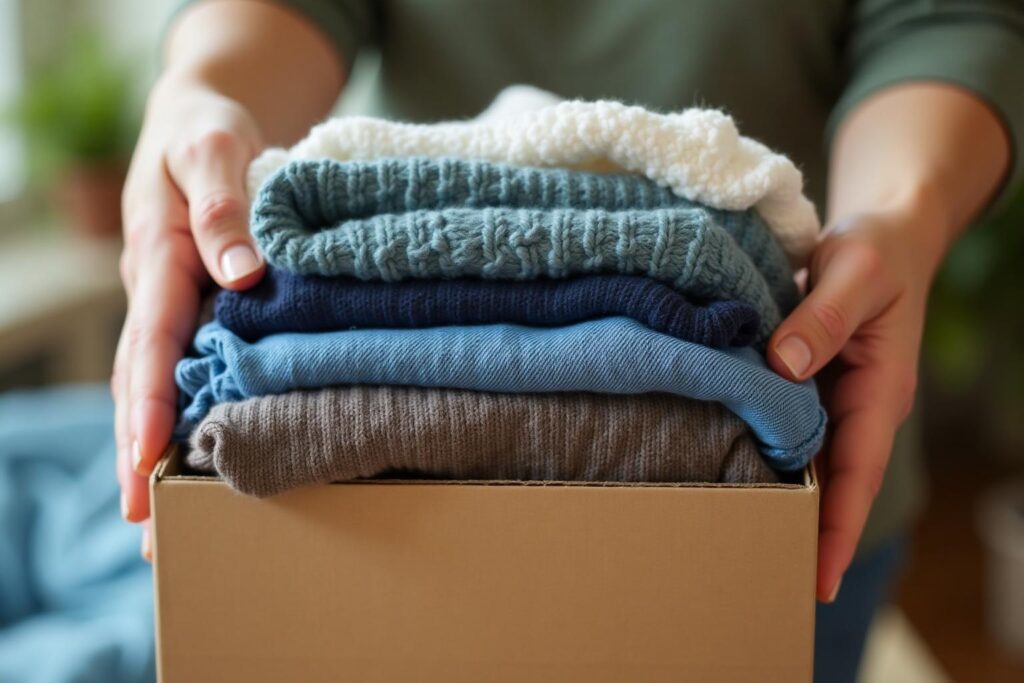
Sometimes, the best way to help is to start right in your own community. This week, our local shelter was looking for men’s and women’s pants, new underwear, shoes and hiking boots. These everyday essentials may not be the first things people think of when donating during winter, but they can make a real difference to someone in need.
My husband has donated clothing he has outgrown, giving wearable items an opportunity to be useful to someone else rather than leaving them unused in the closet. Donating clothing in good condition is a practical way to help, especially when you have items that no longer fit.
However, not everything can be donated used. Our local shelter specifically needed new underwear, so it is important to check the organization’s requirements before donating personal items.
You do not have to spend a lot of money to make a difference. Check your closets for clean, gently used clothing, then contact your local shelter to ask what it needs. A quick phone call or a look at its current wish list can help ensure your donations are useful and welcome.
Personal Hygiene Products
Personal hygiene products can help people maintain everyday routines and dignity. Access to toiletries is not always straightforward when someone has limited storage space or cannot easily carry a large number of belongings.
New, unopened products to consider include toothbrushes, toothpaste, soap, shampoo, conditioner, deodorant, moisturizer, lip balm and menstrual products. Shaving supplies, combs, hairbrushes and other basic personal care items may also be useful if the shelter accepts them.
Winter weather can be particularly hard on exposed skin and lips. A simple moisturizer or lip balm may help with dryness caused by cold air and wind. Unscented products can be a thoughtful option because strong fragrances may not suit everyone.
Travel-sized toiletries are often convenient for people who need to carry their belongings. Larger containers may be appropriate for shelters with communal washrooms, but it is best to ask first. Different organizations have different storage arrangements and distribution practices.
Always donate hygiene products in their original, unopened packaging unless the organization specifically requests otherwise. Do not donate partially used bottles or products that have expired or become damaged.
Food and Everyday Essentials
Some shelters and outreach programs accept non-perishable food donations. Depending on their facilities and current needs, useful items may include canned vegetables, canned fruit, soup, pasta, rice, cereal, oatmeal and other shelf-stable foods.
Individually packaged snacks can be helpful for people who need something easy to carry. However, not every organization has the same food storage, preparation or distribution facilities. Check before buying groceries, particularly if you are considering large quantities.
When food donations are accepted, check expiry dates and make sure packaging is intact. Avoid items that require refrigeration or cooking unless the organization confirms it can store and prepare them safely.
Other everyday essentials may include sturdy backpacks, reusable shopping bags, refillable water bottles and compact flashlights. These items can help people carry belongings or manage daily activities, but the most useful choices will depend on what the shelter already has available.
Before purchasing supplies, ask whether the organization has a specific preference. A shelter may need practical bags that can withstand regular use rather than decorative bags that are difficult to carry.
Blankets and Other Winter Supplies
Blankets, sleeping bags and other cold-weather supplies may be helpful for some shelters and outreach programs. Potential donations include warm blankets, sleeping bags, thermal blankets, hand warmers and weather-resistant ponchos.
However, it is important not to assume that every shelter accepts these items. Some organizations have limited storage space, while others provide different services and may not distribute outdoor sleeping supplies.
If you want to donate blankets or sleeping bags, contact the organization first. Ask whether it accepts new or gently used items, what sizes are useful and whether there are any cleaning or packaging requirements.
Hand warmers may be useful for some outreach programs, but check whether they are requested and suitable for the people receiving them. A shelter can explain which supplies fit its work and how donations are distributed.
Large items can be especially difficult to manage when storage space is limited. Checking first helps prevent well-intentioned donations from creating extra work for staff and volunteers.
Underwear and Other Often-Overlooked Donations
When people think about winter donations, they often focus on coats, mittens and scarves. Yet everyday basics can be just as important.
New underwear is a practical item to ask about because many organizations have specific rules about accepting intimate clothing. Socks, undershirts and other basic garments may also be requested.
Pants deserve consideration, too. Homeless Shelters might need particular sizes of men’s or women’s pants, and these needs may change quickly. Rather than collecting a large quantity of one size, ask whether the organization has a current list of requested sizes.
Comfortable everyday clothing can help people prepare for appointments, look for work or manage daily responsibilities. Clean, suitable clothing is often more useful than items that are fashionable but impractical for the season.
If you are organizing a donation drive with family, friends or coworkers, consider asking the shelter for a short list of specific items. This can help everyone contribute towards needs that have already been identified.
What Should You Check Before Donating?
A quick phone call or visit to a shelter’s website can help you avoid donating items the organization cannot use.
Before dropping off your donations, ask whether the shelter accepts new items, gently used items or both. Find out which clothing sizes and footwear types are needed, whether toiletries must be unopened, and whether the organization accepts food, blankets and sleeping bags.
It is also helpful to ask about donation hours and whether larger deliveries should be arranged in advance.
Some organizations publish urgent requests on their websites or social media pages. These lists can provide a useful starting point for deciding what to buy.
Avoid donating stained or damaged clothing, worn-out footwear, opened hygiene products or expired food. Although it may be tempting to pass along items you no longer need, donations should be clean, safe and suitable for use.
If you are donating a large quantity of items, contact the organization first to arrange delivery. This gives staff a chance to confirm that the supplies are needed and that there is room to receive them.
Should You Donate Money or Supplies?
Both financial contributions and physical donations can help homeless shelters, but the best choice depends on the organization and your circumstances.
Physical donations allow you to provide specific essentials, such as warm socks or requested footwear. Financial donations give organizations the flexibility to purchase supplies that are urgently needed, sometimes at a lower cost through established suppliers.
If you are unsure what to buy, consider asking whether the shelter accepts monetary donations or gift cards. A financial contribution can help cover changing needs that may not appear on a public wish list.
You do not have to make a large donation to contribute. A few requested items, a small collection among neighbours or a modest financial gift can all be worthwhile.
How to Make Your Winter Donation Count
Helping people experiencing homelessness does not require organizing a large fundraiser. You could purchase new socks, gather clean winter clothing, donate suitable shoes or buy a few requested toiletries.
If you have friends, family members or coworkers who would like to help, consider organizing a small collection around the shelter’s current needs. Sharing a specific list makes it easier for people to contribute useful items rather than donating supplies the organization already has in abundance.
Remember that each community faces different challenges. A shelter in one town may urgently need winter coats, while another may be short of pants, underwear, shoes or hiking boots. Checking before donating helps direct your support where it can be used.
Small Acts of Kindness Matter
Winter can be a difficult time for people without stable housing. Warm socks, clean pants, suitable footwear, toiletries and other everyday essentials may seem like small things, but they can make daily life more manageable when they meet a genuine need.
This winter, consider contacting homeless shelters or outreach program before purchasing donations. Ask what is needed, follow its guidelines and choose items that are clean, practical and appropriate for the season.
A thoughtful donation is not measured by how much you spend. It is measured by whether it helps someone who needs it.