Winter Coat Trends for Everyday Women
11 min read
2085 words
A winter coat has an important job to do. It needs to keep you warm when temperatures drop, protect you from wind and snow, and still be comfortable enough for everyday life.
Fortunately, you don’t need to spend hundreds of dollars on a designer coat to look stylish.
Many of the winter coat styles appearing in stores are simply updated versions of coats we’ve been wearing for years. You can find similar looks at department stores, outlet stores and discount retailers without spending $500 or more.
The most important thing is to find a coat that suits your climate, your lifestyle and your budget.
Here are some winter coat trends worth considering, along with practical tips for finding an affordable version.
1. Funnel-Neck Winter Coats
Funnel-neck coats have a higher collar that comes up around the neck rather than laying flat like a traditional collar.
The higher neckline can look modern while also providing extra protection from cold air.
You don’t need to spend a fortune to try this style. Look for a simple funnel-neck winter coat in a neutral colour such as black, charcoal, brown, navy or camel.
If you live somewhere with cold winters, pay attention to what is inside the coat. A stylish high collar is useful, but good insulation and a warm lining matter more.
2. Long Winter Coats
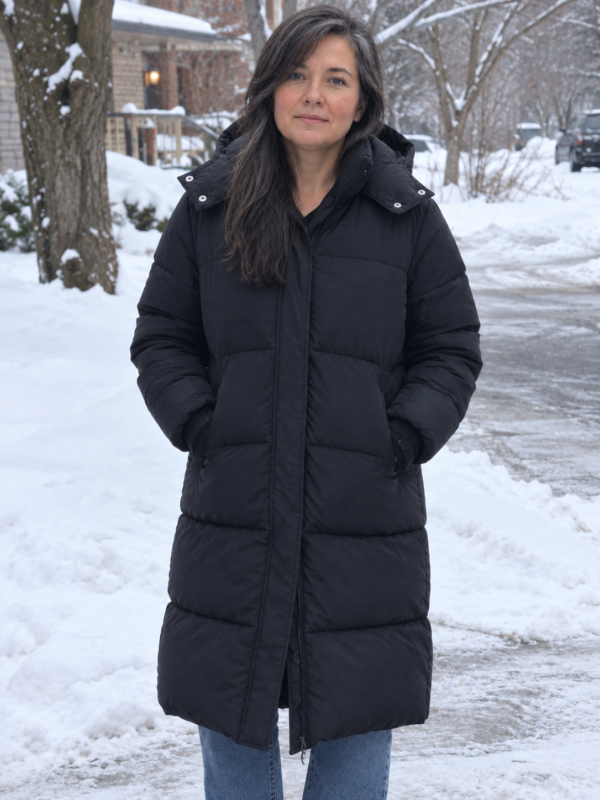
Long winter coats remain a popular choice, particularly for women who want more coverage.
A coat that falls below the knee can help keep more of your body protected from cold wind and snow. It can also look polished enough to wear for shopping, work, appointments or going out for dinner.
You don’t need an expensive wool coat to get the look.
Affordable long quilted coats, insulated coats and synthetic-filled coats can provide plenty of warmth without the designer price tag.
If you frequently drive or deal with deep snow, consider a coat that falls around the knee rather than one that reaches your ankles.
3. Updated Peacoats
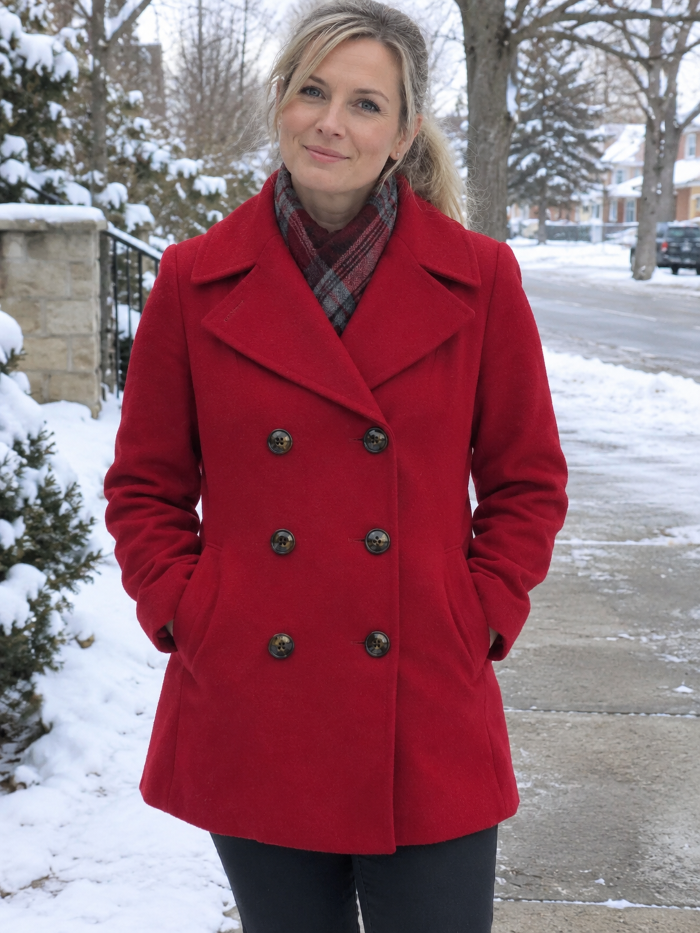
The peacoat is a classic for a reason.
Its familiar double-breasted front and structured shape can look good with jeans, trousers or a dress. Updated versions may have larger collars, slightly longer lengths or a roomier fit.
If you’re looking for a peacoat for a Canadian winter, however, don’t buy based on appearance alone.
Check the fabric, lining and insulation. Some inexpensive peacoats are designed more for fall or mild winter weather than for freezing temperatures.
If you want the traditional peacoat look but need serious warmth, look for a lined or insulated version.
4. Shearling and Shearling-Trimmed Coats

Shearling adds a cozy look to winter coats.
You may see coats with shearling collars, cuffs, linings or trim, as well as coats covered entirely in shearling-style material.
For most women, a coat with a shearling collar or lining is a more practical and affordable way to try the trend.
You also don’t have to buy real shearling.
There are plenty of coats with faux-shearling details that provide a similar appearance at a much lower price.
Just remember that a fuzzy-looking coat isn’t automatically a warm coat. Check the insulation and lining before buying.
5. Quilted and Puffer Winter Coats
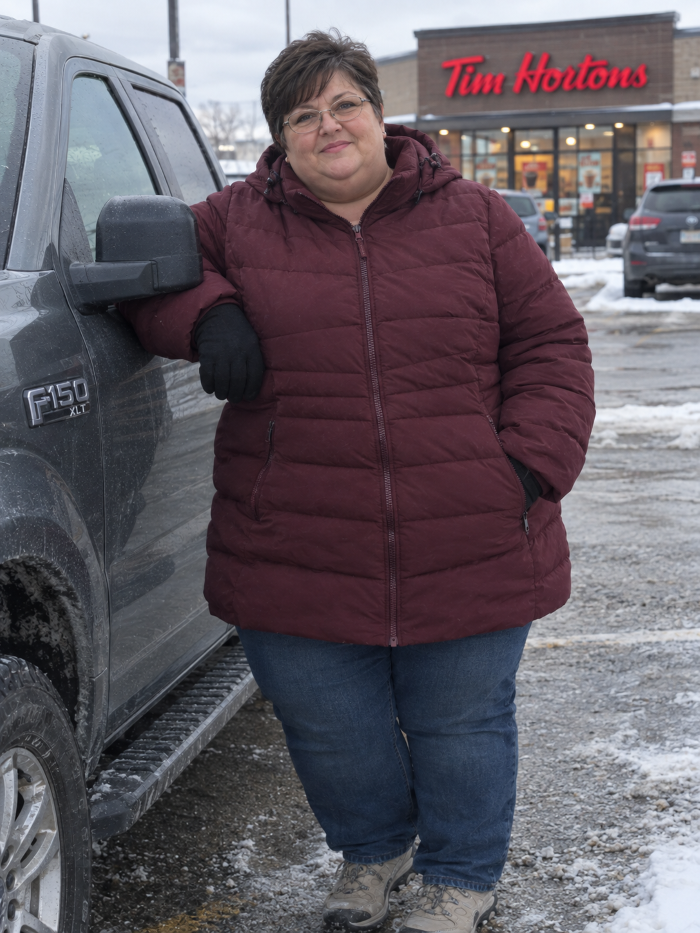
Puffer coats continue to be one of the most practical choices for winter.
They’re available in everything from short jackets to long coats that provide coverage almost to the ankles.
A longer puffer can be particularly useful if you spend a lot of time outdoors. A shorter version may be easier if you’re getting in and out of the car frequently.
You can also find puffers in more fitted shapes, belted styles and simple designs that don’t look overly bulky.
When shopping, look for a coat with good insulation, a warm lining, a hood if you need one and cuffs that help keep cold air out.
You don’t need a premium outdoor brand to find a warm puffer. Compare the construction and insulation rather than simply paying more for a name.
6. Plaid and Tartan Winter Coats
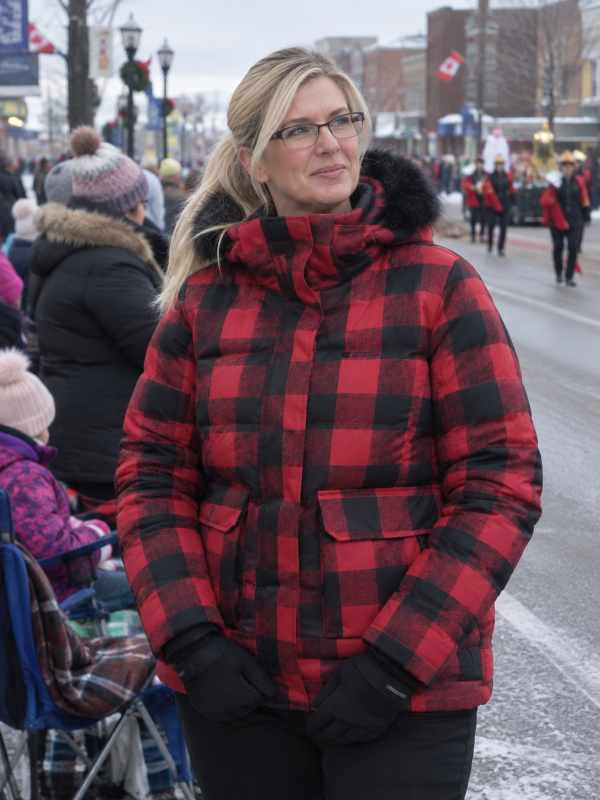
Plaid can add colour and personality to a winter wardrobe.
A plaid winter coat can be the main feature of your outfit, allowing you to keep everything underneath simple.
If you like classic clothing, look for traditional combinations such as black and red, navy and green, or brown and cream.
If a large plaid feels too bold, choose a smaller pattern.
And remember that you don’t have to spend a lot on a plaid coat. Because the pattern itself makes the coat noticeable, a reasonably priced coat can still look put together.
7. Oversized and Rounded Winter Coats
Some winter coats have a roomier shape rather than fitting closely around the body.
You may see coats with fuller sleeves, rounded shoulders or a loose, curved shape.
The advantage is that these coats can be comfortable for layering. You can wear a thick sweater underneath without feeling squeezed through the shoulders and arms.
This can also be a practical choice for women who don’t like restrictive winter clothing.
Just make sure the coat isn’t so oversized that it becomes difficult to drive, carry a purse or move your arms comfortably.
You can get this look without buying an expensive designer coat. Look for words such as relaxed fit, oversized, roomy or cocoon style when shopping online.
8. Coats With Attached Scarves
Some winter coats now include a scarf as part of the coat itself.
The scarf may attach at the collar or be made from an extended piece of the same fabric.
This can be a practical option if you frequently forget your scarf or don’t like carrying extra accessories.
However, check that the attached scarf isn’t cumbersome and that you can still move your head and neck comfortably.
For an inexpensive alternative, you can also buy a simple coat and add an affordable scarf in a coordinating colour.
9. Wrap and Belted Winter Coats
Wrap coats use a belt or tie to close the coat instead of relying entirely on buttons or a zipper.
They’re a good choice if you prefer a softer, less structured look.
A belted coat can also give you some flexibility when layering. You can loosen the belt over a thick sweater or tighten it when you want more definition.
For genuinely cold weather, make sure the front closes securely.
A beautiful coat that leaves a large opening across your chest isn’t going to provide much protection on a windy winter day.
10. Rich Brown Winter Coats
Black will always be a practical winter-coat colour, but brown is an easy alternative.
Chocolate, espresso, caramel and other deeper brown shades can look warm and rich without being difficult to coordinate.
Brown works well with jeans, black, cream, beige, burgundy and many other colours already found in winter wardrobes.
If you already have a perfectly good black winter coat, a brown coat can give you a different look without going too far outside your comfort zone.
11. Simple Tailored Winter Coats
Not everyone wants a puffer or oversized coat.
A simple, straight winter coat remains a useful option for women who prefer a more traditional appearance.
Look for clean lines, a comfortable fit and a length that works with your lifestyle.
This type of coat can easily be dressed up or down. Wear it with jeans and boots for everyday errands or with trousers and dressier shoes when you are going somewhere special.
You don’t need an expensive designer wool coat to get this look.
Affordable wool-blend and insulated coats can provide a similar appearance at a fraction of the price.
12. Warm, Weather-Resistant Winter Coats

Sometimes the most fashionable choice is simply a coat that works.
If you walk the dog, walk to school, walk to work, shovel the driveway or spend a lot of time outdoors, weather protection matters.
Look for features such as:
- Warm insulation
- Wind-resistant material
- Water-resistant fabric
- A hood
- Adjustable cuffs
- A secure zipper or other closure
- Useful pockets
- Enough room for a sweater underneath
A practical winter coat doesn’t have to look like outdoor equipment.
Many reasonably priced coats combine warmth and weather protection with simple, attractive designs.
How Much Should You Spend on a Winter Coat?

You don’t have to spend $500 or more to get a good-looking winter coat.
For an everyday winter coat, start by deciding what you actually need rather than choosing a price based on the brand name.
A coat in the $100 to $250 range can be a reasonable place to look for an attractive, useful winter coat, particularly when sales and end-of-season discounts are available.
You can also find good options for less, especially if you’re shopping sales, outlet stores or discount retailers.
If you’re spending more than $300, consider what you’re getting for the extra money.
Are you paying for significantly better insulation? Better weather protection? A higher-quality fabric? Improved construction?
Or are you mainly paying for the brand name?
A $500 coat isn’t automatically warmer than a $150 coat.
Shop for Features, Not Just a Brand Name
When comparing coats, check the details.
Look at:
Insulation: What is keeping you warm?
Lining: Does the inside feel comfortable and substantial?
Closure: Does the zipper or button arrangement keep cold air out?
Hood: Is it attached and adjustable if you need protection from snow and wind?
Cuffs: Do they help prevent cold air from entering through the sleeves?
Length: Does it provide enough coverage for your climate?
Pockets: Are they large enough for your phone, keys and gloves?
Fit: Can you comfortably wear a sweater underneath?
These features are often more important than having the latest designer label.
How to Choose a Winter Coat for Your Lifestyle
If You Drive Often
A very long coat can be awkward when getting into a vehicle.
A knee-length or shorter winter coat may be easier to manage, particularly if you spend most of your day travelling by car.
If You Walk Often
A longer coat may provide useful protection for your legs and body.
Look for a secure hood, warm insulation, wind protection and a comfortable fit that allows you to walk freely.
If You Spend Time Outdoors With Children
Consider warmth and convenience.
Large pockets can be useful for carrying small necessities, while a hood and weather-resistant fabric can make unexpected snow or freezing rain easier to handle.
If You Need a Coat for Everyday Errands
You may not need the warmest expedition-style coat available.
A moderately insulated coat that works for shopping, appointments, school drop-offs and short walks may be all you need.
Try Your Winter Coat on With a Sweater
One of the easiest mistakes when buying a winter coat is trying it on over a thin shirt.
If you normally wear sweaters, hoodies or cardigans during winter, try the coat over one.
Move your arms.
Sit down.
Zip or button the coat completely.
Reach forward as though you’re driving.
Make sure you can move comfortably without the shoulders pulling or the sleeves riding up.
A winter coat should make everyday life easier, not more difficult.
Should You Buy a Trendy Winter Coat or a Classic?
You don’t have to choose.
If you’re buying your first winter coat in several years, a classic style may give you the most flexibility.
Black, navy, charcoal, brown and camel are easy to coordinate with the rest of your wardrobe.
If you already have a dependable winter coat, you can have more fun with a second coat in plaid, a different colour or a more relaxed shape.
And remember, you don’t need several coats to have a stylish winter wardrobe.
One good-quality coat that keeps you warm and works with your lifestyle is more useful than a closet full of coats you rarely wear.
Winter Coat Trends Worth Considering
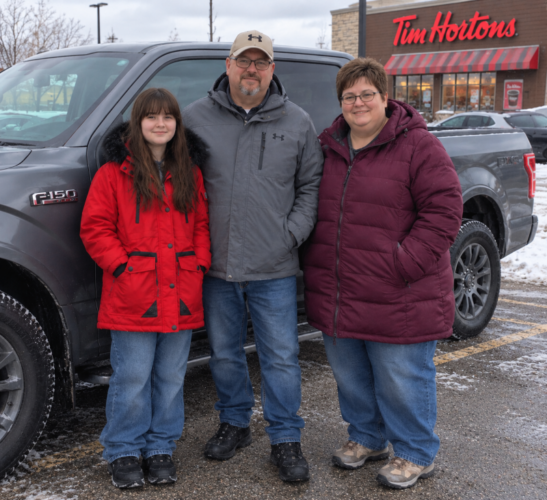
Winter coats don’t have to be expensive, uncomfortable or overly fashionable to look good.
Funnel necks offer a modern alternative to traditional collars. Long coats provide additional coverage, while peacoats offer a familiar classic style. Shearling adds texture, puffers provide warmth and plaid adds personality.
Oversized coats can make room for sweaters, while wrap coats offer a softer shape. Rich brown provides an alternative to black, and practical weather-resistant coats are ideal for women who spend a lot of time outdoors.
The best winter coat is the one that fits your life.
Look for warmth, comfort, useful features and a price you can afford. Then choose a colour and style you actually enjoy wearing.
You don’t need a $500 coat to look good this winter. A well-fitting, reasonably priced coat that keeps you warm and comfortable can be one of the best purchases you make for the season.