What Is Sustainable Fashion and Why It Matters Most
7 min read
1276 words
In recent years, the way we think about our wardrobes has undergone a massive shift. We are moving away from the era of “disposable” trends and heading toward a more mindful approach to style. This movement is known as sustainable fashion. But what does that actually look like in practice, and why should the average shopper care? Understanding the impact of the clothing industry is the first step toward making better choices. In this guide, we will explore the core principles of the movement, the materials that make a difference, and how you can build a stylish, eco friendly fashion collection without breaking the bank.
What Is Sustainable Fashion?
At its core, sustainable fashion is an umbrella term for clothes that are created and consumed in a way that can be sustained while protecting both the environment and those who produce the garments. It is not just about the fabric. It is about the entire lifecycle of a garment from the seeds planted for fiber to the way the item is eventually discarded or recycled.
When we talk about sustainable clothing, we are looking at a system that prioritizes the health of our planet. This includes reducing CO2 emissions, minimizing water waste, and ensuring that no harmful chemicals are released into our ecosystems.
Sustainable Fashion Meaning Explained
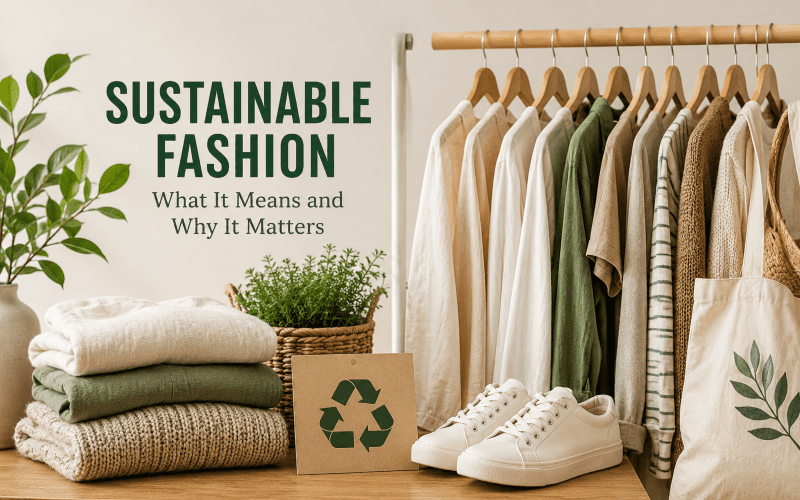
So what does sustainable fashion mean in a day to day context? It refers to a holistic approach to fashion sustainability that encompasses three main pillars.
Environmental integrity using environmentally friendly clothing processes and materials
Social justice ensuring ethical fashion practices where workers are paid a living wage and work in safe conditions
Economic viability creating a model where brands can thrive without exploiting resources or people
Sustainable Fashion vs Fast Fashion
The difference between fast fashion and sustainable fashion is stark. Fast fashion relies on high volume production, low prices, and fast trend cycles. This model encourages consumers to buy clothing that is often worn only a handful of times before being thrown away.
The fast fashion impact is devastating. It leads to overproduction, high carbon emissions, and a culture of waste. In contrast, sustainable fashion focuses on quality over quantity, encouraging slow fashion where garments are built to last for years rather than weeks.
Why Sustainable Fashion Is Important
The fashion industry is one of the largest polluters in the world. From toxic dyes used in manufacturing to the mountains of textiles ending up in landfills, the current system is unsustainable. This is why sustainable fashion is important. It offers a pathway to reduce this damage.
Environmental Impact of the Fashion Industry
The clothing waste problem is a global crisis. Every second, the equivalent of one garbage truck of textiles is landfilled or burned. By choosing sustainable textiles and recycled fabrics, we can help close the loop. Traditional textile production is also extremely water intensive. It can take up to 2700 liters of water to produce a single conventional cotton T shirt.
Ethical Concerns in Fashion Production
Beyond the environment, ethical clothing production is a human rights issue. Many fast fashion brands outsource labor to countries with limited regulations, leading to unsafe working conditions and unfair wages. Supporting fair trade fashion ensures that the people who make your clothes are treated with dignity.
We must also be aware of greenwashing in fashion where brands use misleading marketing to appear eco friendly while continuing harmful practices. True sustainability requires transparency and accountability.
Key Principles of Sustainable Fashion
To understand how the industry is changing, we must look at the principles of slow fashion. This movement encourages us to slow down our consumption habits and invest in sustainable fashion brands that care about their environmental and social impact.
Circular Fashion and Reduced Waste
Circular fashion is a regenerative system where garments are designed to be reused, repaired, and recycled. Instead of a take make waste model, circularity focuses on reducing the clothing waste problem by creating durable sustainable textiles that can eventually be broken down and turned into new fibers.
Ethical Production and Fair Trade Practices
Ethical clothing production means that every person in the supply chain from cotton farmer to garment worker is protected. Fair trade fashion certifications help consumers identify brands that prioritize fair wages, gender equality, and safe working environments.
Sustainable Materials Used in Fashion
One of the easiest ways to identify sustainable clothing is by looking at fabric composition. Here are some eco friendly clothing materials explained.
Natural and Organic Fabrics
- Organic cotton clothing is grown without synthetic pesticides or fertilizers which helps protect soil health and water systems.
- Hemp fabrics are highly sustainable because they require very little water and grow quickly.
- Bamboo textiles are renewable and soft when processed responsibly using closed loop systems.
Recycled and Innovative Materials
Innovation is at the heart of modern sustainable fashion. Many brands now use recycled fabrics such as polyester made from ocean plastic or nylon made from fishing nets. These materials give waste a second life and reduce environmental pollution.
Sustainable Fashion Brands and Shopping Choices
Building a conscious wardrobe does not mean stopping shopping. It means shopping differently. There are now many sustainable fashion brands offering everything from luxury pieces to everyday basics.
How to Identify Truly Sustainable Brands
To avoid greenwashing in fashion, look for third party certifications such as GOTS, Fair Trade, or B Corp status. For those interested in sustainable fashion in Canada, there is a growing number of local designers who focus on ethical manufacturing and locally sourced materials, which helps reduce transportation emissions.
Thrift Rental and Second Hand Fashion
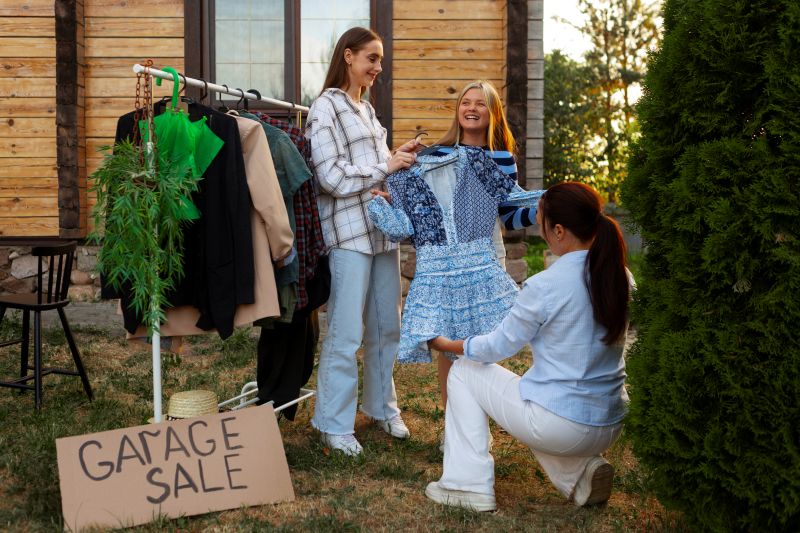
If you are wondering how to shop sustainable fashion on a budget, second hand fashion is one of the best options. Thrift stores in Canada and online resale platforms offer affordable, high quality pieces. Clothing rental services also allow you to enjoy new styles without contributing to overconsumption. This is a key part of conscious consumer fashion.
How Consumers Can Support Sustainable Fashion
You do not need to replace your entire wardrobe overnight. Learning how to be more sustainable with clothing is about making small intentional changes.
Buying Less Choosing Better
The most sustainable garment is the one already in your closet. When buying new items, focus on slow fashion pieces that you will wear often. Ask yourself if you will wear the item at least 30 times. If yes, it is a strong investment for both your wardrobe and the environment.
Extending the Life of Your Clothing
You can help reduce the clothing waste problem by taking better care of your clothes.
- Wash in cold water to save energy and protect fabrics.
- Air dry instead of using a dryer.
- Learn basic repair skills such as sewing buttons or fixing small tears.
The Future of Sustainable Fashion
The future of fashion sustainability is promising. Innovations such as lab grown leather, 3D knitting technology, and AI driven supply chains are helping reduce waste and overproduction. As sustainable fashion brands become more mainstream, eco friendly materials will become more affordable and accessible.
Conclusion Building a More Sustainable Wardrobe
Embracing sustainable fashion is about more than clothing. It is about aligning your lifestyle with your values. By choosing eco friendly fashion, supporting ethical brands, and caring for what you already own, you can help reduce the impact of the fashion industry.
Sustainability is not about perfection. It is about progress. Every small choice matters, from buying organic cotton basics to shopping at local thrift stores.
Ready to take the next step? Explore practical guidance here: How to make the move towards more sustainable fashion.
Start making intentional changes today by choosing better over more and building a wardrobe that reflects both your style and your values.