Why Designers Are Talking About Human-Centric Lighting
5 min read
970 words
Lighting has always been an important part of interior design, but designers are increasingly looking beyond how a light fixture looks. They are also considering how lighting affects the way a room feels throughout the day. That is where human-centric lighting comes in.
Rather than treating lighting as simply a way to brighten a room, human-centric lighting considers the changing qualities of natural daylight and how artificial light can complement different activities and times of day.
The result can be a home that feels more comfortable, functional, and thoughtfully designed.
What Is Human-Centric Lighting?
Human-centric lighting is an approach to lighting design that considers the relationship between light and people.
Instead of using the same bright, cool light from morning until bedtime, a human-centric approach may use different light levels and colour temperatures throughout the day.
For example, brighter, cooler-toned light may be appropriate for a kitchen workspace or home office during the daytime. In the evening, warmer and softer lighting can create a more relaxed atmosphere.
The idea is not necessarily to fill your home with expensive smart lights. Even simple changes to lamps, bulbs, dimmers, and window treatments can make a noticeable difference to the atmosphere of a room.
Why Designers Are Paying Attention
Modern homes often have to serve several purposes at once.
A dining room may become a home office. A kitchen island might be used for preparing dinner, doing homework, paying bills, and having coffee with friends.
One fixed lighting setup does not necessarily work equally well for all of these activities.
Designers are therefore looking at lighting as something that can change with the needs of the household.
A layered lighting plan can include:
- Natural daylight
- Ceiling fixtures
- Table lamps
- Floor lamps
- Under-cabinet lighting
- Wall sconces
- Accent lighting
- Dimmable fixtures
Using several sources gives you more control than relying on one bright overhead fixture.
Colour Temperature Matters
One of the easiest ways to understand lighting is through colour temperature.
Light bulbs are commonly described using Kelvin ratings. Lower Kelvin numbers generally produce warmer, more yellowish light, while higher numbers produce cooler, bluer-looking light.
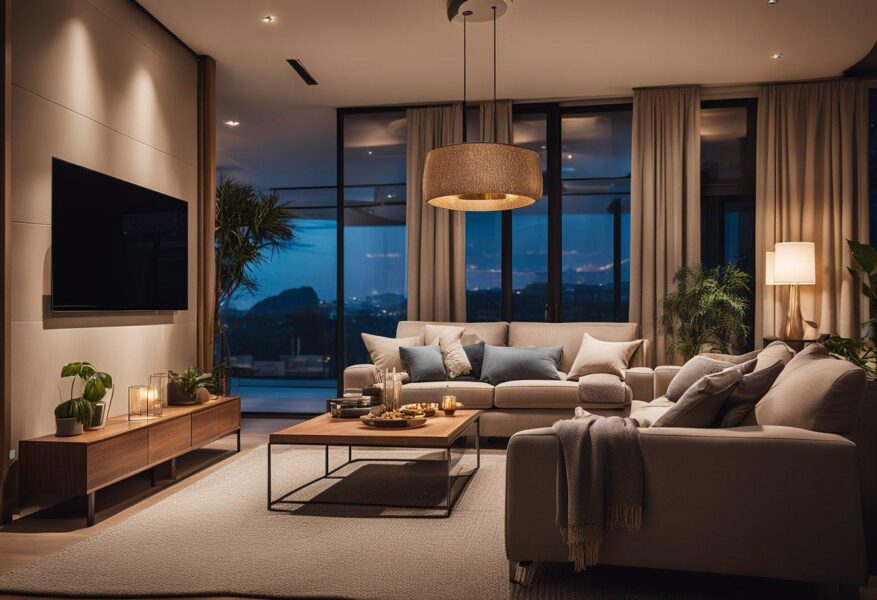
Warm white lighting can work particularly well in living rooms, bedrooms, and other spaces where you want a comfortable evening atmosphere.
Cooler or neutral light can be useful in areas where you need clearer visibility, such as kitchens, bathrooms, workspaces, and craft areas.
There is no single colour temperature that is right for every room. The best choice depends on the room, the activity, the amount of natural light, and your personal preference.
It Is About More Than Smart Bulbs
When people hear human-centric lighting, they may immediately think of expensive smart-home systems.
Smart lighting can certainly make it easier to change brightness and colour temperature, but it is not essential.
A simple floor lamp beside a reading chair can provide useful task lighting. A dimmer switch can allow one fixture to work for both daytime activities and evening relaxation. Opening curtains and blinds can also make better use of natural daylight.
Sometimes good lighting design is simply about giving yourself more choices.
Think About How You Use Each Room
Before buying new light fixtures, consider what actually happens in the room.
A bedroom might need gentle lighting for winding down, but you may also want a brighter bedside lamp for reading.
A kitchen needs enough light for food preparation, but extremely bright overhead lighting may feel harsh when you are having dinner.
A home office may benefit from focused task lighting during working hours, while softer lighting can make the same space feel more comfortable later in the day.
Thinking about the activities first can make lighting decisions much easier.
Natural Light Still Matters
No artificial lighting system completely replaces natural daylight.
Windows, skylights, sheer curtains, blinds, and the placement of furniture can all affect how daylight moves through a home.
Designers may consider the direction of windows and the changing amount of daylight throughout the year when planning a lighting scheme.
Even a small room can feel different depending on whether it receives strong morning sunlight, afternoon light, or very little direct sunlight.
A More Comfortable Approach to Evening Lighting
One reason homeowners are becoming more interested in adjustable lighting is the desire to make evenings feel less harsh.
Instead of turning on every overhead light at full brightness, you might switch to a table lamp, floor lamp, or dimmed fixture.
Warm light can also create a softer visual environment than bright, cool-toned lighting.
This can be particularly appealing in bedrooms, living rooms, and other areas designed for relaxing.
Human-Centric Lighting Does Not Have to Be Complicated
You do not need to redesign your entire electrical system to experiment with the concept.
Start with one room.
Try replacing a harsh bulb with a warmer option. Add a lamp to a dark corner. Install a dimmer where practical. Use task lighting where you regularly read, cook, sew, work, or do crafts.
Then pay attention to how the room feels at different times of the day.
The goal is not to follow a complicated lighting formula. It is to create lighting that works with the way you actually live.
The Future of Home Lighting
Lighting design is moving toward greater flexibility. Instead of asking only whether a fixture looks attractive, homeowners and designers are increasingly asking whether the lighting works for the people using the space.
Human-centric lighting is part of that broader shift.
It combines design, technology, natural daylight, and everyday functionality to create spaces that can adapt from morning to night.
And perhaps that is the most useful idea behind the trend: good lighting should serve the people who live there, not simply illuminate the room.
Note: Human-centric lighting is a design approach, not a substitute for medical treatment or professional health advice. Individual responses to lighting can vary.