Why Podiatrists Want You to Switch to Wide Toe Box Shoes
6 min read
1120 words
For many people, shoes are chosen for their appearance rather than their impact on foot health. A stylish pair of shoes may complete an outfit, but after hours of wear, your feet often tell the real story with aching arches, sore toes, blisters, and general discomfort. Many traditional shoes are designed with a narrow, tapered toe area that pushes the toes together instead of allowing them to move naturally. Over time, this can affect the way your feet function and contribute to common foot problems. That is why more podiatrists are recommending wide toe box shoes. These shoes are designed to follow the natural shape of the foot, giving your toes the space they need to spread, move, and support your body properly.
A wider toe box does not mean wearing a large, unattractive shoe. Modern designs offer plenty of stylish options while providing a more comfortable and foot friendly fit.
What Is a Wide Toe Box Shoe?
A wide toe box shoe provides extra room in the front part of the shoe where your toes sit. Unlike many traditional shoes that narrow toward the toes, wide toe box designs allow your foot to maintain its natural shape.
Your foot is naturally widest at the toes, not at the heel. A properly designed shoe should reflect that shape rather than forcing your toes into a cramped space.
It is also important to understand the difference between wide width shoes and wide toe box shoes.
A wide width shoe usually adds extra space throughout the entire shoe, including the heel and middle of the foot. This can be helpful for people with naturally wider feet but may feel loose for someone who only needs more room in the toe area.
A wide toe box shoe provides extra space where your toes need it while keeping the heel and midfoot comfortably supported.
Why Podiatrists Recommend Wide Toe Box Shoes
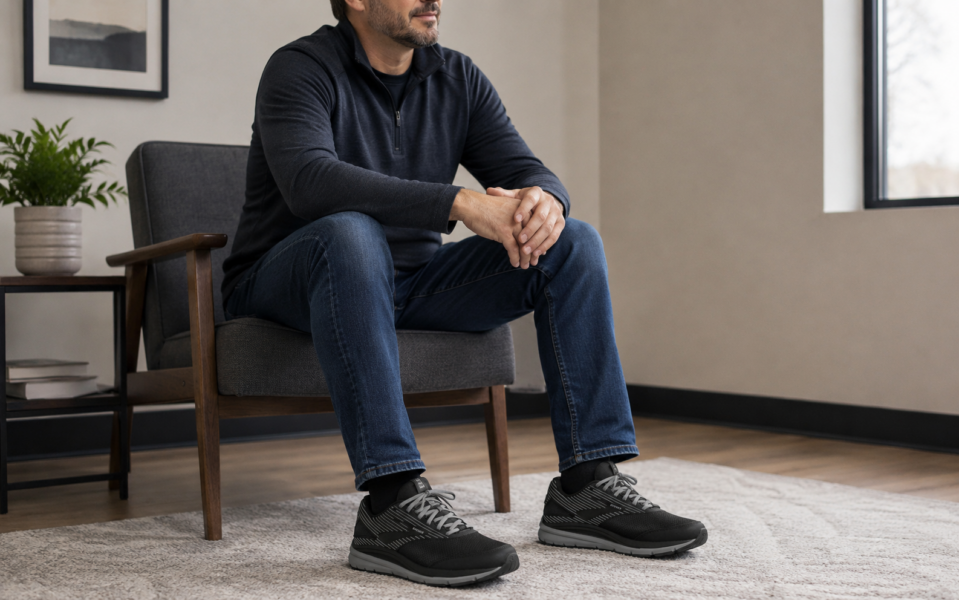
1. They Allow Your Toes to Move Naturally
Your toes play an important role in balance, stability, and walking. When shoes squeeze your toes together, they cannot spread naturally when you stand or move.
A wider toe box allows your toes to function the way they were designed, helping create a more stable foundation with every step.
2. They Reduce Pressure on Bunions
Bunions are painful bumps that develop at the base of the big toe. While shoes do not cause every bunion, tight footwear can increase pressure, rubbing, and irritation.
Shoes with a roomy toe area can help reduce discomfort by preventing the shoe from pressing against the affected area.
Although wide toe box shoes cannot reverse a bunion, they may make everyday activities more comfortable.
3. They May Help Relieve Common Foot Discomfort
Foot pain is sometimes linked to shoes that do not fit properly. Signs that your footwear may be causing problems include:
• Corns and calluses
• Sore toes
• Burning sensations
• Ball of foot pain
• Numbness or tingling
By allowing more room for proper alignment, wide toe box shoes can help reduce pressure points and improve comfort.
4. They Support Better Balance and Stability
Balance becomes increasingly important as we age. Our feet provide the foundation that helps us stand, walk, and move confidently.
When toes are squeezed together, the foot may have less contact with the ground. A wider toe area provides a more stable base, which can be especially helpful for older adults, walkers, and people recovering from injuries.
5. They Encourage More Natural Walking
Shoes that restrict the toes can affect the way your foot moves during walking. Your toes help push you forward during the final stage of each step.
A wide toe box allows for more natural movement, helping your feet work together with your legs and body instead of fighting against restrictive footwear.
Who Can Benefit From Wide Toe Box Shoes?
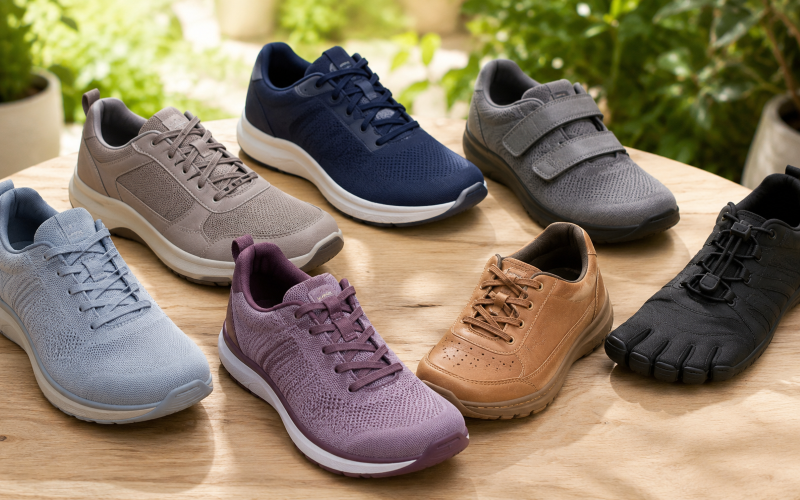
People With Bunions or Hammertoes
Extra room can reduce pressure on areas where toes may already be affected by changes in foot structure.
People With Diabetes
Proper shoe fit is especially important for people with diabetes. Shoes that rub or create pressure points may increase the risk of foot irritation and sores.
People With Arthritis
Feet can become stiff, swollen, or painful with arthritis. Additional room can improve comfort when joints are affected.
Walkers and Active Adults
Feet naturally swell throughout the day, especially during longer periods of activity. A comfortable toe box can help prevent your shoes from feeling tight as the day goes on.
Signs Your Shoes May Be Too Narrow
Your shoes may not be giving your feet enough room if you notice:
• Your toes feel squeezed together
• Your little toe rubs against the side of your shoe
• You regularly develop corns or calluses
• Your feet hurt after wearing certain shoes
• Your toes cannot move freely
• Your feet feel numb or uncomfortable
How to Choose the Right Wide Toe Box Shoes
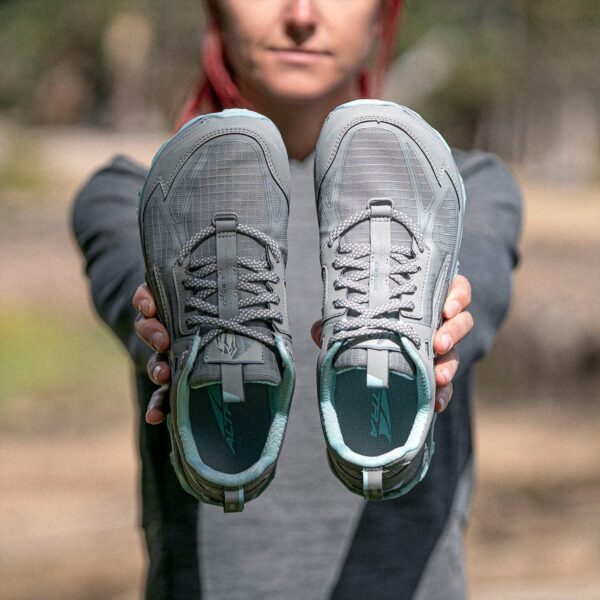
When shopping for podiatrist recommended shoes, focus on fit rather than just the size number.
Look for:
• A foot shaped toe area
• Flexible materials
• A secure heel fit
• Good cushioning
• Enough room to wiggle your toes
Avoid shoes with pointed toe areas that force your toes into an unnatural position.
Remember that shoe sizes are not always consistent between brands. The shape of the shoe matters just as much as the number on the label.
Making the Switch to Wide Toe Box Shoes
If you have worn narrow shoes for years, your feet may need time to adjust.
Start by wearing your new shoes for short periods at home before using them for longer walks or daily activities. This gives your feet time to adapt to the additional space and different feel.
When to See a Podiatrist
While choosing better footwear can improve comfort and support foot health, shoes cannot solve every foot problem.
Talk to a healthcare professional if you experience:
• Ongoing foot pain
• Numbness or tingling
• Foot wounds that do not heal
• Significant changes in your walking ability
• Severe bunion or toe pain
Give Your Feet the Space They Deserve

Your feet carry you through every stage of life, yet they are often overlooked when choosing footwear. Switching to wide toe box shoes is a simple change that may improve comfort, support mobility, and help protect your feet for years to come.
The best shoes are not just the ones that look good. They are the ones that allow your feet to move naturally and comfortably.
Disclaimer: This article is for informational purposes only and is not intended to replace professional medical advice, diagnosis, or treatment. Foot concerns can vary from person to person. If you experience ongoing foot pain, numbness, swelling, changes in walking, or have a medical condition affecting your feet, consult a qualified healthcare professional or podiatrist for personalized advice.