Why Heritage Homes Are Among Today’s Most Desired Properties
7 min read
1275 words
In a world increasingly shaped by convenience, mass production, and similar looking new developments, many home-buyers are searching for something different. Instead of choosing another cookie cutter property, buyers are looking for homes with personality, craftsmanship, and a story behind them. This growing interest has brought heritage homes into the spotlight. Valued for their historic architecture, quality construction, and unique details, these properties offer something many modern homes cannot easily replicate: character.
From handcrafted woodwork and original hardwood floors to stained glass windows, decorative fireplaces, and distinctive layouts, historic properties provide a sense of warmth and individuality. For many buyers, a home is no longer just about square footage and modern finishes. It is about creating a connection to the past while enjoying the comforts of today.
For homeowners, investors, and preservation minded buyers, purchasing a heritage property is about more than owning real estate. It means becoming part of a story while protecting a piece of architectural history for future generations.
What Is a Heritage Home?
A heritage home is not simply an old house. Age alone does not make a property historically significant. These homes are recognized because they have architectural, cultural, or historical importance that contributes to the identity of a community.
Heritage designation varies depending on location, but a property may be recognized because of:
Historical significance: A connection to important events, communities, or periods of history.
Architectural importance: Unique design features, construction methods, or the work of a notable architect.
Cultural value: A role in reflecting the growth and character of a neighbourhood.
Connection to notable people or events: A link to individuals or moments that shaped local history.
Popular architectural styles include:
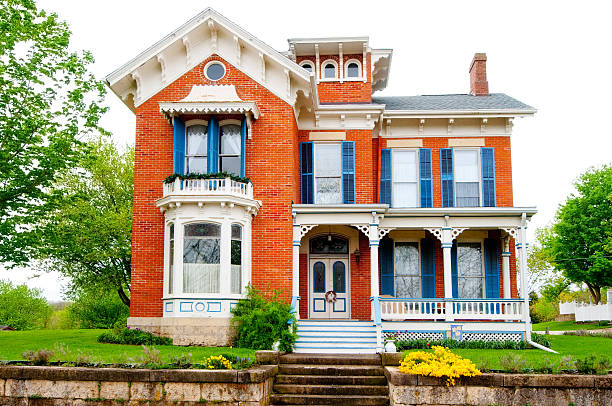
Victorian homes known for decorative trim, detailed woodwork, and elegant designs.
Edwardian homes recognized for spacious layouts and quality craftsmanship.
Craftsman homes featuring natural materials, built in features, and handcrafted details.
Colonial and Tudor Revival homes valued for their distinctive appearance.
Mid century modern homes appreciated for their clean lines and innovative designs.
Unlike many newer developments where homes can look very similar, heritage properties often have a unique identity that makes them stand apart.
Why Are Heritage Homes Becoming More Popular?
The growing popularity of heritage homes reflects a change in what many buyers value. Instead of focusing only on large open concept spaces and brand new finishes, more people are looking for authenticity, craftsmanship, and a stronger connection to their surroundings.
Homes With Character
Many newer homes are designed for efficiency and convenience, but some buyers feel they lack individuality. Heritage properties offer details that are rarely found in modern construction.
Features that attract buyers include:
- Original handcrafted woodwork
- Detailed crown molding and trim
- Hardwood floors with natural character
- Stained glass windows
- Decorative fireplaces
- Built in cabinetry
- Bay windows and grand staircases
These features create warmth and personality. A heritage home often feels like it has a story to tell, giving homeowners a deeper emotional connection to the space.
Quality Craftsmanship That Lasts
Many older homes were built during a time when skilled workmanship and durable materials were priorities.
Historic properties often feature:
- Solid wood construction
- Custom details
- Strong structural designs
- Long lasting materials
While modern homes can certainly be well built, many buyers appreciate the craftsmanship found in older properties. Features such as detailed millwork, plaster walls, and custom finishes can be expensive and difficult to recreate today.
A More Sustainable Choice
Sustainability has also contributed to the renewed interest in older homes. Restoring an existing property can reduce the environmental impact associated with demolition and new construction.
Benefits include:
- Less construction waste
- Reuse of existing materials
- Preservation of established neighbourhoods
- Reduced demand for new building resources
For many homeowners, restoring a historic property is not only about preserving the past. It is also a more environmentally responsible approach to creating a home.
The Emotional Appeal of Owning a Piece of History
Beyond architecture and materials, one of the strongest attractions of heritage homes is the feeling they provide.
These properties often have connections to previous generations, local communities, and important moments in history. They become part of the identity of a neighbourhood rather than simply another address.
Many buyers want homes that feel personal and meaningful. They are looking for places where they can create new memories while respecting the stories that came before them.
In an increasingly mass produced world, authenticity has become a valuable feature.
Heritage Homes and Property Value
A well maintained heritage property can be a strong long term investment because these homes are limited in supply and cannot simply be recreated.
Factors that can support value include:
Scarcity: Unique historic properties are limited and cannot be mass produced.
Character: Original architectural features help homes stand out.
Location: Many are found in established neighbourhoods with mature trees and nearby amenities.
Buyer interest: Many homeowners are willing to pay more for charm and craftsmanship.
Historical significance: Recognized properties often maintain lasting appeal.
However, value also depends on condition, location, renovation quality, and any restrictions connected to heritage designation.
Features Buyers Love in Heritage Homes
Many buyers are drawn to the details that make these homes different from modern builds.
Popular features include:
- Hardwood floors
- High ceilings
- Decorative fireplaces
- Built in shelving
- Large windows
- Detailed doors and trim
- Mature landscaping
- Historic gardens
Older homes also often offer unique floor plans, including separate dining rooms, libraries, studies, and defined living spaces.
For some homeowners, these layouts provide a sense of comfort and function that differs from today’s common open concept designs.
The Challenges of Owning a Heritage Home
While historic properties offer beauty and character, they also require commitment.
Owners may need to plan for:
- Plumbing updates
- Electrical improvements
- Roof repairs
- Heating system upgrades
- Insulation improvements
- Window restoration
Some designated properties also have renovation guidelines designed to protect original features. Changes to windows, exterior materials, doors, or architectural details may require approval.
Repairs can sometimes cost more because specialized materials and skilled tradespeople may be needed. However, many owners believe preserving the home’s character is worth the investment.
Owning a heritage home means caring for its unique features while making it comfortable for modern living.
Modernizing a Heritage Home Without Losing Its Charm
A successful renovation does not erase history. It respects it.
Homeowners can update these properties by:
- Restoring original floors and woodwork
- Updating kitchens and bathrooms thoughtfully
- Improving insulation and energy efficiency
- Adding modern technology discreetly
- Blending contemporary design with historic details
The goal is not to make an old home look new. It is to make it function better while preserving what makes it special.
Buying a Heritage Home: What to Consider
Before purchasing, buyers should:
- Arrange a detailed home inspection
- Review heritage designation rules
- Understand renovation restrictions
- Budget for ongoing maintenance
- Confirm insurance requirements
Important questions include:
- Are original features protected?
- Have major systems been updated?
- Are qualified tradespeople available locally?
- What changes require approval?
The Future of Heritage Homes
Interest in heritage homes continues to grow as buyers seek authenticity, sustainability, and homes with personality.
As renovation techniques improve, homeowners have more opportunities to combine modern comfort with historic charm. These properties continue to appeal because they offer something new construction often cannot: individuality and a sense of connection.
Conclusion: Why Heritage Homes Continue to Attract Buyers

Heritage homes represent more than bricks and mortar. They offer craftsmanship, history, and a sense of place that cannot be duplicated.
Although they require care and thoughtful maintenance, many owners believe the rewards outweigh the challenges. For buyers who appreciate architecture, history, and unique design, a heritage property can provide not only a home but also a lasting connection to the past while creating memories for the future.