Are Pet Doors Safe? What Homeowners Should Know
7 min read
1349 words
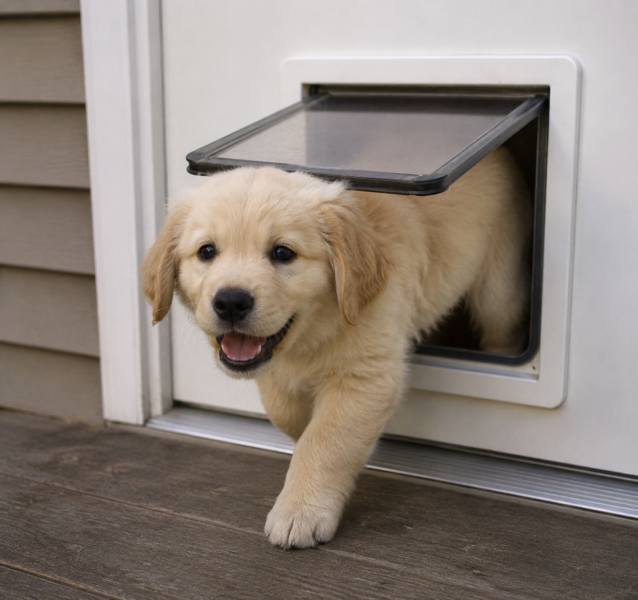
For many pet owners, a pet door offers the best of both worlds. Pets gain the freedom to go outside when they need to, while homeowners no longer have to stop what they are doing every time the dog wants out or the cat wants back in. It can make daily life more convenient, reduce indoor accidents, and give pets more opportunities for exercise and enrichment.
Before installing a pet door, however, many homeowners wonder whether it could affect home security, energy efficiency, or even their pet’s safety. These are valid concerns, especially with so many types of pet doors available.
The good news is that modern pet doors are safer and more energy efficient than ever before. Choosing the right model and installing it properly are the keys to enjoying the benefits while minimizing potential risks.
What Is a Pet Door?
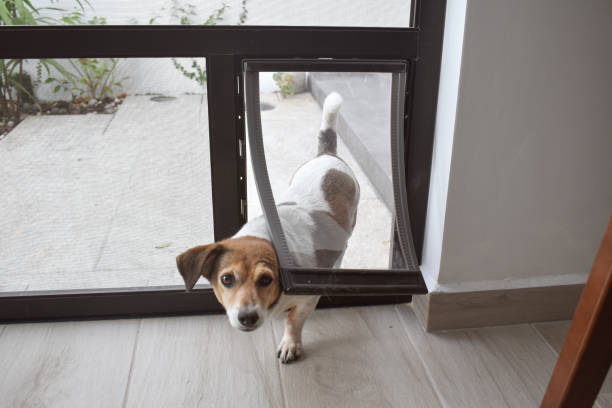
At its core, a pet door is an opening in a wall or door that allows pets to pass through without human assistance. While the concept is simple, the technology and design have evolved significantly, offering options to suit different homes and lifestyles. Before choosing the right option, it helps to understand the different styles available. For a closer look at the most common options, read our guide: 3 Types of Pet Doors: Which One Is Best for Your Home?
The Benefits of Installing a Pet Door
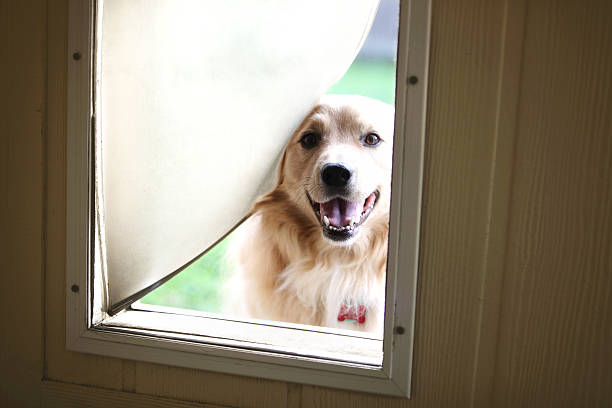
A well-chosen pet door offers advantages for both pets and their owners.
Greater Independence for Pets
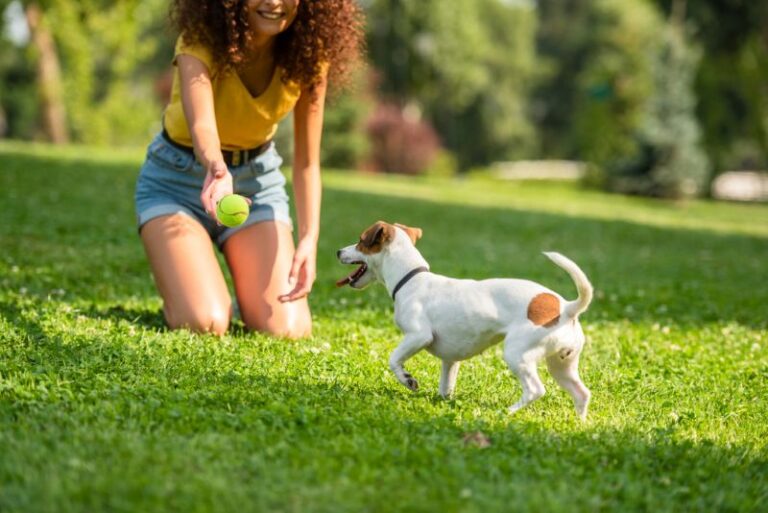
Pet doors allow dogs and cats to go outside to relieve themselves, explore a secure yard, or simply enjoy fresh air without waiting for someone to open the door. This independence can reduce anxiety and improve their overall quality of life.
Convenience for Homeowners
Busy families, people who work from home, and homeowners with mobility limitations often appreciate not having to constantly let pets in and out. A pet door also provides peace of mind during short errands or while completing household tasks.
More Exercise and Mental Stimulation
Easy access to a safe outdoor space encourages pets to stay active. Regular movement supports healthy weight management while outdoor exploration helps reduce boredom and destructive behaviors.
Are Pet Doors a Security Risk?
Home security is one of the biggest concerns homeowners have when considering a pet door.
Can Burglars Use a Pet Door?
The answer depends largely on the size of the pet door, where it is installed, and the type of locking system it uses.
A large pet door located close to a door handle or deadbolt could potentially allow someone to reach inside. Choosing the correct installation location and selecting a model with secure locking features can greatly reduce this risk.
Most burglars look for the easiest point of entry, and a properly installed, well-secured pet door is rarely the first choice.
How Smart Pet Doors Improve Security
Electronic and smart pet doors offer several features that improve both convenience and home security.
These may include:
- Microchip recognition
- RFID collar access
- Automatic locking
- Smartphone controls
- Scheduled access times
- Activity monitoring
Because these systems only recognize authorized pets, they help prevent stray animals and wildlife from entering your home while giving homeowners greater control over access.
Keeping Wildlife Out
Wildlife is another common concern, particularly in suburban and rural neighborhoods. Raccoons, skunks, squirrels, opossums, and stray cats are all capable of investigating an unsecured pet door.
Electronic pet doors provide the best protection because they only open for your pet’s registered microchip or collar tag. If you choose a traditional flap door, use the locking panel at night and whenever you leave home.
It is also helpful to avoid leaving pet food outside, keep shrubs trimmed around entry points, and inspect the area regularly for signs of wildlife activity. These simple steps can discourage unwanted visitors from approaching your home.
Are Pet Doors Safe for Your Pets?
A pet door should make life easier for your pet, but it is still important to think about outdoor safety.
Traffic
Pets should have access only to a securely fenced yard or another safe outdoor space away from busy roads.
Weather
During periods of extreme heat or cold, make sure your pet always has access to shade, fresh water, and shelter. You may also wish to lock the pet door during severe weather.
Other Animals
Neighborhood dogs, wildlife, and even aggressive stray cats can pose risks. Supervise your pet while they become familiar with using the pet door and their outdoor space.
Health Considerations
Pets using a pet door spend more time outdoors, making regular flea and tick prevention and up-to-date vaccinations even more important.
If your pet has mobility issues, vision loss, anxiety, or another medical condition, ask your veterinarian whether unrestricted outdoor access is appropriate. Some pets are safer with supervised outdoor time.
Energy Efficiency Concerns
Many homeowners worry that installing a pet door will increase heating and cooling costs.
Older or inexpensive pet doors may allow drafts, but today’s higher-quality models are designed with energy efficiency in mind.
Look for features such as:
- Insulated flap designs
- Double flap systems
- Magnetic or weather-tight seals
- Insulated frames
- Electronic doors with tighter seals
Choosing a well-insulated pet door and ensuring it is installed correctly can significantly reduce air leakage throughout the year.
Choosing the Right Pet Door for Safety
When selecting a pet door, consider more than just your pet’s size.
Choose a model that is large enough for your pet to pass through comfortably but not so large that it creates unnecessary security concerns.
Install the pet door away from locks whenever possible, and invest in durable materials that can withstand weather, daily use, and attempted entry by wildlife.
Helping Your Pet Adjust to a Pet Door
Most pets learn to use a pet door quickly, but some need encouragement.
Introduce the pet door during the day when your pet feels relaxed. Use treats, praise, or favorite toys to encourage them to walk through the opening. Never force your pet through the door, as this can create fear or hesitation.
Older pets or nervous animals may need several short training sessions before they feel comfortable using it independently.
Tips for Safe Pet Door Use
To keep your pet door working safely and efficiently:
- Lock the pet door when you are away for extended periods.
- Inspect the frame and flap regularly for wear or damage.
- Clean the flap and weather seals.
- Replace worn weather stripping when necessary.
- Check batteries in electronic models.
- Continue reinforcing safe pet door habits with positive training.
When a Pet Door May Not Be the Best Choice
A pet door is not the right solution for every household.
You may want to consider other options if:
- Your yard is not securely fenced.
- Wildlife activity is common in your neighborhood.
- You have a very young puppy or kitten.
- You live in a high-crime area.
- Your pet requires supervised outdoor time because of age, health, or behavior.
Frequently Asked Questions
Are electronic pet doors safer?
Yes. Electronic pet doors only open for authorized pets, helping prevent wildlife and unwanted animals from entering your home.
Can raccoons open pet doors?
Basic flap doors may allow raccoons to enter, especially if left unlocked. Electronic pet doors offer much better protection.
Do pet doors increase heating and cooling costs?
Not necessarily. High-quality pet doors with insulated flaps and weather seals can help minimize drafts and improve energy efficiency.
Can renters install pet doors?
Some landlords allow removable sliding glass door inserts because they do not require permanent modifications. Always check your lease before installing any type of pet door.
Conclusion
Pet doors can be a valuable addition to your home when chosen carefully and installed properly. They provide greater freedom for pets while making everyday life more convenient for homeowners.
Before making a purchase, consider your pet’s size, your home’s layout, your neighborhood, and the level of security you need. Whether you choose a traditional flap door or a smart electronic model, selecting the right pet door can improve your pet’s quality of life while helping keep both your home and your furry companion safe for years to come.