

5 Smarter Communication Solutions for Expanding Pet Brands
5 min read
924 words
Growth is an exciting stage for any pet-focused business, but it often brings new challenges that can strain existing operations. As customer inquiries increase, appointment requests become more frequent, and support needs expand across multiple channels, communication can quickly become a bottleneck. Pet owners expect timely responses, accurate information, and friendly interactions whenever they contact a business. Failing to meet those expectations can impact customer satisfaction and limit future growth.
For expanding pet brands, investing in smarter communication strategies can help maintain service quality while supporting long-term scalability. Whether a company operates retail stores, veterinary services, training programs, or franchise locations, effective communication systems create stronger customer relationships and improve operational efficiency. The following solutions can help growing pet businesses stay connected with customers while positioning themselves for sustainable expansion.
Strengthen Customer Service Availability Across Multiple Channels
Modern pet owners communicate through various channels, including phone calls, email, text messaging, social media, and online chat. As a business grows, managing inquiries across all these touchpoints becomes increasingly difficult without a structured communication approach.
Brands that centralize customer interactions create a more consistent experience regardless of how customers choose to reach out. Customers appreciate receiving prompt answers about appointments, products, services, or pet care recommendations. Consistency across communication channels also strengthens brand trust and encourages repeat business.
Many growing businesses find that expanding support availability improves customer retention significantly. When customers receive timely responses, they are less likely to seek alternative providers. This becomes particularly important during busy seasons when call volumes and appointment requests increase substantially.
Implementing technology that allows team members to view customer conversations in one place can eliminate confusion and improve service quality. Unified communication platforms also help management gain valuable insights into customer behavior and service performance.
Leverage Professional Support Teams for Scalable Growth
As call volumes increase, business owners often face difficult decisions regarding staffing and resource allocation. Hiring and training large internal teams can be expensive and time-consuming, especially when growth occurs rapidly.
Many pet businesses explore solutions such as an outsource Philippines call center partnership to provide scalable customer support while maintaining service quality. Professional support teams can handle appointment scheduling, customer inquiries, follow-up communications, and routine questions, allowing internal employees to focus on higher-priority activities.
This approach can be especially beneficial for businesses with extended operating hours or customers located across multiple time zones. Additional support coverage enables organizations to respond faster while preventing employee burnout during peak periods.
By creating clear service standards and communication protocols, businesses can ensure that external support representatives accurately reflect the company’s values and customer service expectations. When managed correctly, outsourced communication resources become a seamless extension of the brand.
Create Consistent Messaging Across Every Location
Brand growth often involves opening new locations, expanding territories, or adding franchise partners. While expansion creates opportunities, it also introduces communication challenges that can lead to inconsistent customer experiences.
Standardized messaging helps ensure customers receive accurate information regardless of which location they contact. Businesses benefit from developing communication guides that address common questions, customer concerns, service descriptions, and brand positioning.
This need becomes particularly important for organizations operating under a dog grooming franchise model. Customers expect a similar level of service, professionalism, and communication whether they visit one location or another. Consistency helps reinforce customer confidence and strengthens brand recognition across all markets.
Communication templates, staff training programs, and centralized knowledge bases can all contribute to a more unified customer experience. As businesses continue to expand, clear messaging standards become increasingly valuable for maintaining quality control.
Use Data to Personalize Customer Interactions
Customer communication is most effective when it feels relevant and personalized. Pet owners appreciate businesses that remember their pets’ names, appointment histories, preferences, and past interactions.
Customer relationship management systems allow businesses to collect and organize valuable information that can improve future conversations. Support teams can reference previous discussions, recommend services based on customer needs, and provide more personalized assistance.
Personalized communication also supports marketing initiatives. Businesses can send targeted reminders, seasonal care recommendations, loyalty program updates, and service promotions that reflect each customer’s interests and behaviors.
The ability to access accurate customer data improves communication quality while helping businesses build stronger relationships with their audience. Personalization often leads to higher customer satisfaction, increased retention, and stronger long-term loyalty.
Develop Proactive Outreach Strategies
Many businesses focus primarily on responding to customer inquiries, but proactive communication can be equally valuable. Reaching out before customers encounter problems demonstrates attentiveness and strengthens relationships.
Appointment reminders, service updates, wellness tips, membership notifications, and post-service follow-ups help customers stay engaged with the brand. These communications provide value while encouraging continued interaction.
Proactive outreach can also reduce inbound support demands. When customers receive important information in advance, they are less likely to contact support for clarification. This improves operational efficiency and allows customer service teams to focus on more complex requests.
Growing pet brands that develop thoughtful communication campaigns often create stronger customer connections than competitors who communicate only when necessary. Consistent engagement helps keep the brand top of mind and reinforces trust over time.
Conclusion
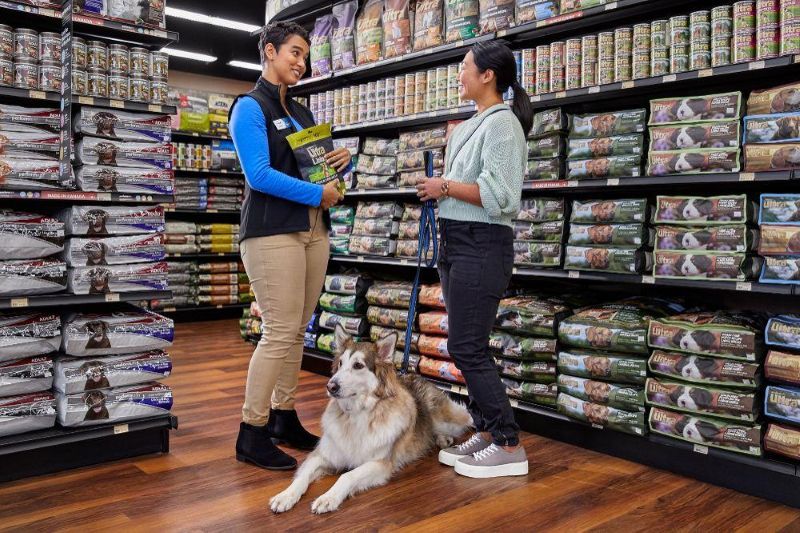
Successful growth requires more than adding customers or expanding locations. It demands communication systems that can scale while preserving the personal connections that pet owners value. By improving multichannel support, utilizing scalable staffing solutions, maintaining messaging consistency, personalizing customer interactions, and embracing proactive outreach, expanding pet brands can strengthen customer relationships and support sustainable long-term growth. Effective communication remains one of the most powerful tools for building loyalty, protecting reputation, and creating positive customer experiences as a business continues to evolve.