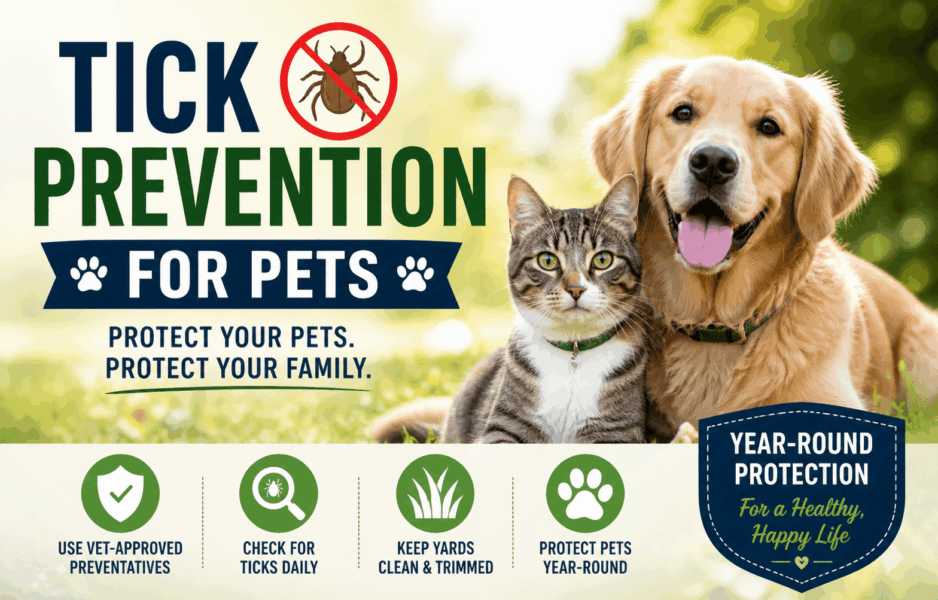
Tick Prevention for Pets: How to Keep Dogs and Cats Safe
5 min read
876 words
If you’re a pet owner, you’ve likely noticed the change. It used to be that tick prevention for pets was a seasonal chore something you started in May and stopped in September. But in 2026, that calendar has been thrown out the window. Ticks are no longer just a summer problem. Warmer climates and longer milder seasons have completely reshaped the traditional tick cycle. Winters are less severe and tick populations are not just surviving they are thriving. As a result habitats are expanding further north into regions that were once considered low risk including large parts of Canada now reporting record tick activity.
For pet owners the reality is simple tick prevention for pets is no longer seasonal it is constant. Whether it’s a walk in the park or a quick trip into the backyard the risk is now present year round. The days of safe seasons are over.
II. Why Tick Prevention for Pets Is More Important Than Ever
The shift from seasonal to year round tick activity is the main driver behind rising risk in 2026. There is no longer a true off season where ticks go dormant.
This constant exposure is leading to increased cases of tick borne illnesses in pets including Lyme disease, anaplasmosis, and ehrlichiosis.
Ticks can also enter homes by attaching to pets clothing or shoes bringing disease risks directly indoors.
This is why tick prevention for pets has become far more important than treatment. Once infection occurs it can be difficult to diagnose and may require long costly recovery periods. Prevention acts as a continuous protective barrier.
III. Where Pets Are Most Likely to Pick Up Ticks
Ticks are opportunistic and do not fly or jump. Instead they wait on tall grass shrubs and leaf litter for a passing host.
High risk areas include suburban backyards, public parks and dog runs, overgrown grass and gardens, and shaded damp outdoor areas.
Even indoor only pets are not fully safe. Ticks can be carried inside on clothing shoes or other animals.
In 2026 the highest risk area is often closer than expected sometimes just steps from your front door.
IV. Signs Your Dog or Cat May Have Ticks
Ticks often attach in hidden areas such as behind ears under collars between toes or in skin folds.
Warning signs include persistent scratching or licking in one area, small dark bumps on the skin or fur, sudden lethargy or reduced energy, and fever or loss of appetite.
If these symptoms appear or if a tick is found and removal is uncertain veterinary care is strongly recommended.
V. Best Tick Prevention for Pets Methods in 2026
Modern veterinary care offers highly effective options for tick prevention for pets.
- Oral Medications: Chewable prescriptions that circulate in the bloodstream and kill ticks shortly after they bite.
- Topical Treatments: Applied to the skin to repel and kill ticks on contact.
- Tick Collars: Long lasting protection that releases active ingredients over several months.
The most effective strategy combines multiple methods and is used year round without interruption.
VI. Natural and At Home Tick Prevention Tips
Medical prevention works best when supported by environmental control.
- Keep grass trimmed and remove leaf litter regularly
- Create gravel or wood chip barriers around lawns
- Bathe and brush pets frequently during high risk periods
- Perform daily full body tick checks
Supporting overall wellness through a balanced diet can also help maintain immune health though it does not replace prevention.
VII. How to Safely Remove a Tick From Pets
If a tick is found prompt and careful removal is essential.
Steps:
- Use fine tipped tweezers or a tick removal tool
- Grasp the tick close to the skin at the head
- Pull upward with steady pressure
- Clean the area thoroughly with disinfectant
Avoid: burning the tick, using oils or petroleum jelly, twisting or crushing the tick.
VIII. Tick Borne Diseases in Dogs and Cats
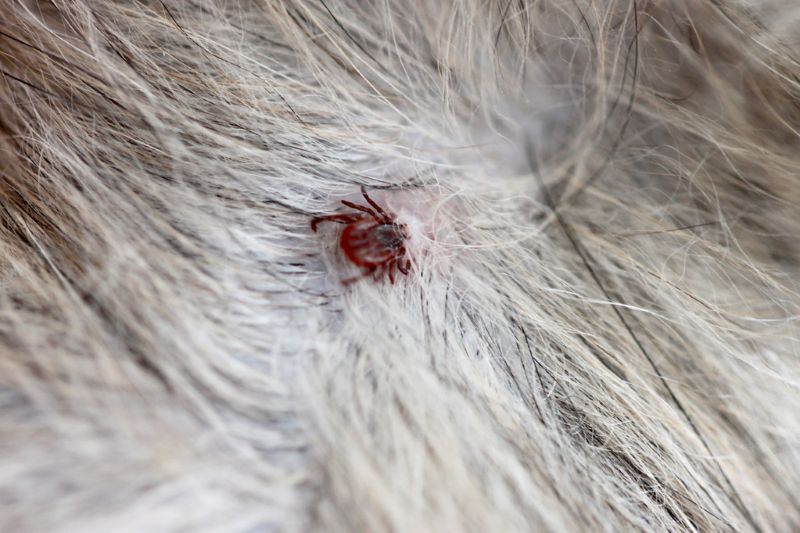
Ticks can transmit several serious illnesses.
- Lyme disease causing fever joint pain and lameness
- Anaplasmosis affecting immune and blood cells
- Ehrlichiosis causing anemia and long term immune suppression
For more detailed medical information on tick exposure, prevention, and disease transmission, the Centers for Disease Control and Prevention provides authoritative guidance: https://www.cdc.gov/ticks/
Without treatment these conditions can progress to chronic arthritis kidney disease or organ damage. It is also important for pet owners to understand the early risks associated with tick bites, including how quickly infection can begin and why early detection matters for both pets and humans.
IX. Common Mistakes Pet Owners Make
- Stopping prevention during winter months
- Relying only on yard sprays for protection
- Skipping post walk tick checks
- Using human tick repellents on pets which can be dangerous
One of the most overlooked risks in 2026 is assuming cold weather eliminates ticks it does not.
X. Conclusion: A Year Round Tick Prevention Strategy for Pets
In 2026 tick prevention for pets is no longer seasonal it is a year round responsibility.
The most effective protection strategy includes consistent vet approved preventatives, regular grooming and daily tick checks, and ongoing yard and environmental management.
Prevention is always more effective less stressful and more affordable than treating tick borne disease after infection.
By staying consistent pet owners can protect their dogs and cats throughout every season not just summer.