Understanding Your Menstrual Cycle: A Complete Guide
9 min read
1789 words
Understanding your menstrual cycle can help you recognize what is normal for your body, identify changes that may need attention, and make informed choices about your health. Your menstrual cycle is a natural process influenced by hormones, reproductive health, and overall wellness. From your first period during puberty to changes that occur during perimenopause, your cycle can provide valuable information about your body’s changing needs.
Learning about understanding your menstrual cycle empowers you to recognize patterns, manage symptoms, and have more informed conversations with your healthcare provider.
Understanding Your Menstrual Cycle: What Is Menstruation?
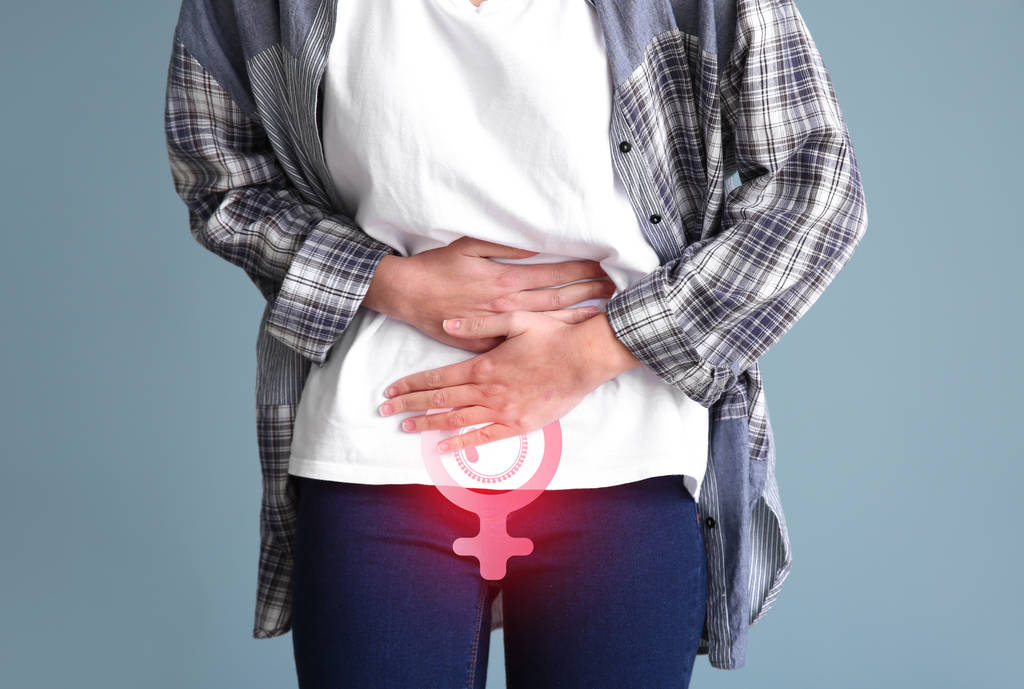
Menstruation, commonly called a period, is the part of the menstrual cycle when the body sheds the lining of the uterus when pregnancy does not occur. This shedding causes bleeding that leaves the body through the vagina.
When understanding your menstrual cycle, it is helpful to know that hormones control the different changes that occur throughout the month.
- Estrogen: Helps build and maintain the uterine lining.
- Progesterone: Supports the uterine lining after ovulation.
- Follicle-stimulating hormone (FSH): Helps eggs develop in the ovaries.
- Luteinizing hormone (LH): Triggers ovulation.
For many people, menstrual cramps can be one of the most uncomfortable parts of their cycle. Simple strategies such as heat therapy, gentle movement, relaxation techniques, and lifestyle changes may help manage discomfort. For more ideas on easing cramps, read our guide on how to stop menstrual pain in its tracks.
The Four Stages of Your Menstrual Cycle

Understanding your menstrual cycle starts with learning about the four main phases: menstruation, the follicular phase, ovulation, and the luteal phase.
1. Menstrual Phase
This is the phase when bleeding occurs. The uterus releases its lining, which leaves the body through the vagina. This phase usually lasts between 2 and 7 days.
Common symptoms may include:
- Cramping
- Lower back discomfort
- Fatigue
- Mood changes
2. Follicular Phase
The follicular phase begins on the first day of your period. During this time, FSH helps stimulate follicles in the ovaries to mature an egg. Estrogen levels rise, causing the uterine lining to rebuild.
3. Ovulation
Ovulation occurs when a mature egg is released from the ovary. This phase is when pregnancy is most likely to occur.
Some people may notice:
- Mild pelvic discomfort
- Changes in cervical mucus
- Increased energy
4. Luteal Phase
After ovulation, progesterone helps prepare the uterine lining. If pregnancy does not occur, hormone levels drop and menstruation begins again.
Understanding Your Menstrual Cycle: Common Symptoms and Changes
Every person experiences their menstrual cycle differently. Some have mild symptoms, while others experience more noticeable changes.
Common menstrual symptoms include:
- Period cramps
- Bloating
- Breast tenderness
- Headaches
- Mood changes
- Food cravings
- Fatigue
While some symptoms are common, severe pain, very heavy bleeding, or major changes that affect daily life should be discussed with a healthcare provider.
Tips for Managing Period Symptoms
Understanding your menstrual cycle can help you prepare for common symptoms and find strategies that support your comfort and well-being. While every person’s experience is different, many people find relief through natural approaches and healthy lifestyle habits.
- Stay active: Gentle movement such as walking, swimming, or yoga may improve circulation and support mood.
- Use heat therapy: A heating pad or warm bath may help relax muscles and ease cramps.
- Stay hydrated: Drinking enough water may help reduce bloating and support overall wellness.
- Practice stress management: Relaxation techniques such as deep breathing and meditation may help your body cope with discomfort.
For additional ideas, explore our guide on natural methods for easing period pain and discomfort, including lifestyle approaches that may help support menstrual comfort.
Menstrual Hygiene: Taking Care of Yourself
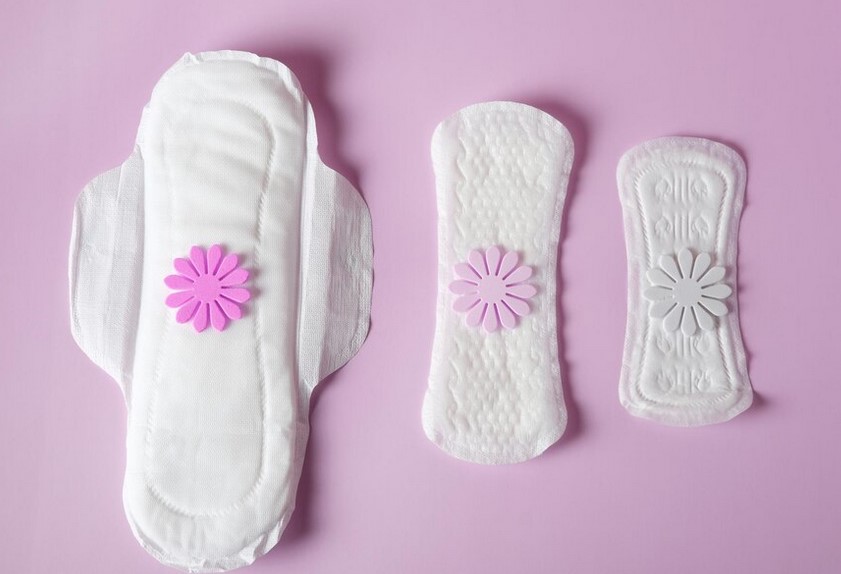
Good menstrual hygiene is an important part of caring for your body. Choosing the right menstrual products can make a big difference in comfort, confidence, and managing your period with ease. Everyone’s needs are different, and the best option depends on your flow, lifestyle, comfort level, and personal preferences.
There are several types of menstrual products available, including:
- Menstrual pads: Pads are worn inside underwear and come in different sizes, absorbencies, and designs to meet different needs, including lighter days, regular flow, overnight protection, and heavier flow days. Choosing the right absorbency can help prevent leaks while keeping you comfortable. Learn more about choosing the right protection in our guide: Are heavy flow pads different from other menstrual pads?
- Tampons: Tampons are inserted into the vagina to absorb menstrual flow before it leaves the body. They are available in different absorbency levels and can be a convenient option for activities such as swimming or exercise. Always follow product instructions and change tampons regularly.
- Menstrual cups: Menstrual cups are reusable, flexible cups made from body-safe materials that collect menstrual fluid rather than absorb it. Many people choose menstrual cups because they can be reused for several years when properly cared for, making them an environmentally friendly option.
- Period underwear: Period underwear is designed with absorbent layers that help collect menstrual flow while providing the feel of regular underwear. They can be worn alone on lighter days or used as extra protection with other products.
- Reusable cloth pads: Reusable pads are washable fabric alternatives that can be used multiple times. They may appeal to those looking for a more sustainable menstrual care option.
When choosing menstrual products, consider factors such as your flow, comfort, convenience, cost, and personal preferences. Proper hygiene is important no matter which product you choose. Follow the manufacturer’s instructions, change products regularly, and pay attention to any signs of irritation or discomfort.
Understanding your options can help you find menstrual products that allow you to feel comfortable, confident, and prepared throughout every stage of your cycle.
Understanding Your Menstrual Cycle Through Different Life Stages
Understanding your menstrual cycle also means recognizing that your cycle naturally changes throughout life. Hormone levels shift during different stages, affecting the timing, flow, and symptoms you may experience. These changes are a normal part of development, reproductive health, and aging.
While every person’s experience is unique, knowing what changes to expect during each stage can help you better understand your body and recognize when something may need medical attention.
Puberty: Your First Menstrual Cycle
The first period, called menarche, is an important milestone that signals the beginning of reproductive development. Most people experience their first period during adolescence, although the timing can vary.
During the early years of menstruation, cycles may not follow a predictable pattern. The body is adjusting to changing hormone levels, and it may take time for the menstrual cycle to become more regular.
Common experiences during puberty may include:
- Irregular periods during the first few years
- Changes in the amount of bleeding
- Period cramps
- Mood changes related to hormonal fluctuations
- Learning how to manage menstrual hygiene
Learning about understanding your menstrual cycle at this stage can help young people feel more comfortable asking questions and recognizing that these changes are a normal part of growing up.
Adulthood: Changes During Your Reproductive Years
During adulthood, many people develop a more predictable menstrual pattern. However, cycles can still change due to different factors, including lifestyle, stress, health conditions, and major life events.
Factors that may influence your menstrual cycle include:
- Stress: Emotional or physical stress can affect hormone levels and sometimes lead to changes in cycle timing.
- Pregnancy and breastfeeding: Hormonal changes during and after pregnancy can temporarily alter periods.
- Medications: Certain medications, including some forms of hormonal birth control, may change bleeding patterns.
- Lifestyle changes: Significant changes in exercise, weight, sleep, or nutrition may affect your cycle.
- Health conditions: Conditions such as polycystic ovary syndrome (PCOS), thyroid disorders, or endometriosis may impact menstruation.
Keeping track of your cycle, symptoms, and changes can be helpful when discussing your health with a healthcare provider.
Some people experience changes in their menstrual cycle due to medical procedures. An endometrial ablation is a treatment that removes or destroys the lining of the uterus to help reduce heavy menstrual bleeding. If you are considering this procedure or want to learn about one person’s experience, read our guide: My Endometrial Ablation Experience.
Perimenopause: Transitioning Toward Menopause
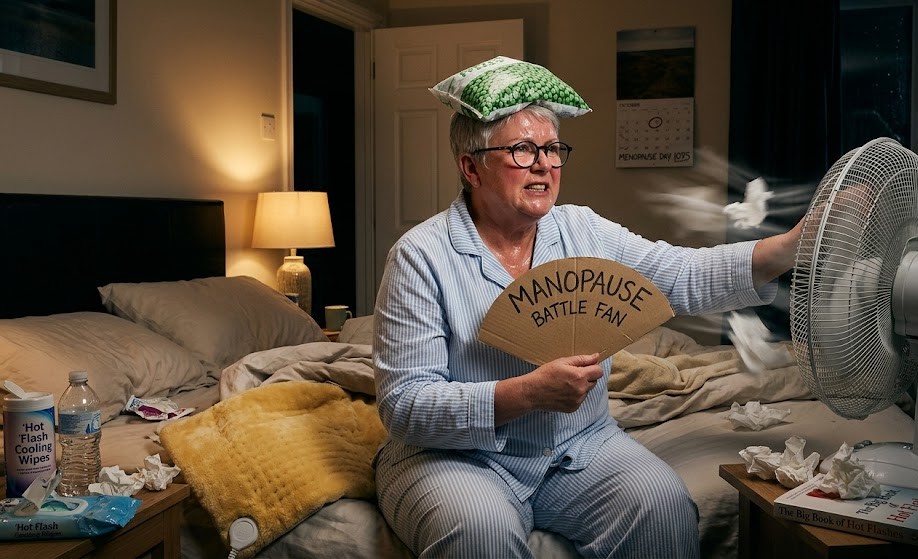
Perimenopause is the transitional stage before menopause when hormone levels begin to fluctuate. This stage can last several years and may bring noticeable changes to your menstrual cycle.
During perimenopause, understanding your menstrual cycle becomes especially important because changes that were once unusual may become part of the transition.
Common menstrual changes during perimenopause may include:
- Irregular periods: Cycles may become shorter, longer, or less predictable.
- Changes in menstrual flow: Periods may become heavier or lighter than before.
- New or stronger PMS symptoms: Mood changes, bloating, breast tenderness, or cramps may become more noticeable.
- Changes in cycle length: The time between periods may vary as hormone levels shift.
- Skipped periods: Some cycles may occur without bleeding as the body approaches menopause.
Although these changes are often part of the natural transition, it is important to discuss unusual symptoms, very heavy bleeding, or concerns with a healthcare professional.
For some individuals, menopause may occur differently after certain gynecological procedures. If the uterus has been removed through a hysterectomy, it may not always be obvious when menopause begins because periods are no longer a way to track hormonal changes. Learn more in our guide: Menopause After Hysterectomy: How You Will Know.
Every Stage Tells a Story About Your Health
Your menstrual cycle can provide valuable information about your overall well-being. From the first period through adulthood and perimenopause, understanding your menstrual cycle can help you feel more connected to your body and more confident managing changes as they happen.
Frequently Asked Questions
Why is understanding your menstrual cycle important?
Understanding your menstrual cycle helps you recognize your body’s patterns, track symptoms, identify changes, and make informed decisions about your health.
How long does a period usually last?
Many periods last between 2 and 7 days, although experiences vary.
What is considered a normal menstrual cycle?
A typical menstrual cycle is often between 21 and 35 days, although every person is different.
Can exercise help with period symptoms?
Yes. Gentle movement may help improve circulation, mood, and discomfort for some people.
Conclusion: Understanding Your Menstrual Cycle and Your Health
Understanding your menstrual cycle is an important part of understanding your overall health. By learning how your cycle works, recognizing common symptoms, and paying attention to changes, you can feel more confident and connected to your body.
Every cycle is unique. Whether you are experiencing your first period, managing monthly symptoms, or navigating hormonal changes later in life, listening to your body and practicing self-care are important steps toward maintaining your health and well-being.
Disclaimer
This article is for informational purposes only and is not intended to replace professional medical advice, diagnosis, or treatment. If you have concerns about your menstrual cycle, symptoms, or changes in your health, consult a qualified healthcare provider.