Breast Density Explained: What It Means for Your Health
6 min read
1187 words
Receiving a mammogram report can sometimes bring unexpected information, and for many women, seeing the term breast density is one of them. It is completely natural for this phrase to raise questions or concerns. However, having dense breast tissue is common and, by itself, does not mean you have breast cancer. Understanding breast density is an important step in taking charge of your breast health. Knowing what your mammogram results mean can help you have informed conversations with your healthcare provider, understand your screening options, and make decisions that are right for you.
What Exactly Is Breast Density?
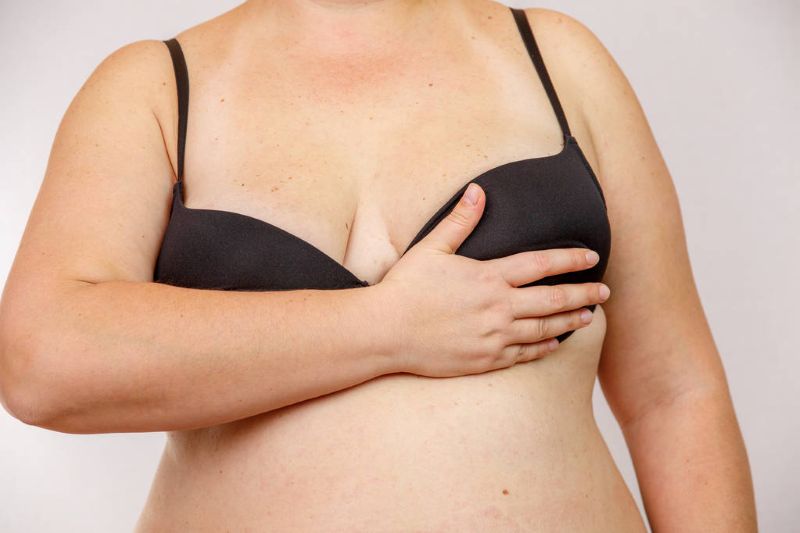
Breast density refers to the amount of fibrous and glandular tissue compared with fatty tissue in your breasts. Breasts are made up of different types of tissue, and the amount of each type varies from person to person.
Your breasts contain two main types of tissue:
- Fatty tissue: This softer tissue appears darker on a mammogram.
- Fibrous and glandular tissue: This denser tissue provides structural support and contains milk-producing glands. It appears white on a mammogram.
When a breast has more fibrous and glandular tissue compared with fatty tissue, it is considered to have dense breast tissue.
The Four Levels of Breast Density: A, B, C, and D
Radiologists classify breast density into four categories using the letters A, B, C, and D. These categories describe the amount of dense tissue present in the breasts and are usually included in mammogram reports.
Category A: Almost Entirely Fatty
Category A means the breasts contain almost entirely fatty tissue with very little dense tissue. Because fatty tissue appears darker on a mammogram, it is generally easier for radiologists to identify abnormalities.
Category B: Scattered Areas of Fibroglandular Density
Category B means there are scattered areas of dense tissue, but most of the breast is made up of fatty tissue. This is a common breast density category.
Category C: Heterogeneously Dense
Category C means there are many areas of dense fibroglandular tissue throughout the breasts. This is still considered a normal finding, but the density may make it more difficult to detect some abnormalities because dense tissue appears white on a mammogram.
Category D: Extremely Dense
Category D means the breasts contain mostly dense fibroglandular tissue. Extremely dense breast tissue can make mammogram interpretation more challenging because dense tissue and some breast cancers can both appear white.
Having Category C or Category D breast density does not mean you have breast cancer. It is simply one factor healthcare providers consider when looking at your overall breast health and screening needs.
Why Does Breast Density Matter?
Breast density matters for two main reasons:
1. Dense Tissue Can Affect Mammogram Results
Dense breast tissue appears white on a mammogram. Some breast cancers can also appear white, which means dense tissue may sometimes hide or mask small abnormalities. This is known as the “masking effect.”
2. Dense Breast Tissue May Be Linked to Increased Risk
Research has shown that women with dense breasts may have a higher risk of breast cancer compared with women who have less dense breast tissue. However, breast density is only one risk factor. Other factors, including family history, age, genetics, and lifestyle, are also considered.
Having dense breasts does not mean you will develop breast cancer.
Does Breast Density Change Over Time?
Yes, breast density can change throughout life. Many women experience changes in breast tissue as hormones shift and they move through different stages of life.
Factors that may affect breast density include:
- Age: Breast density often decreases as women get older because glandular tissue may be replaced with fatty tissue.
- Hormonal changes: Menstrual cycles, hormone therapy, and other hormonal changes may influence breast tissue.
- Pregnancy and breastfeeding: These stages can affect glandular tissue.
- Menopause: Breast density commonly decreases after menopause.
- Genetics: Family traits can influence breast composition.
How Do You Know If You Have Dense Breasts?
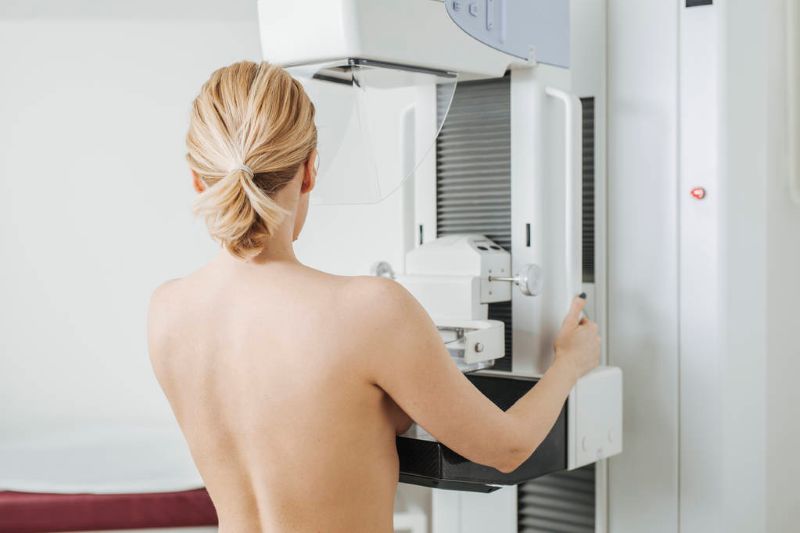
You cannot tell whether you have dense breasts by looking at them or feeling them. Breast density is determined during a mammogram and assessed by a radiologist.
Mammograms are an important tool for monitoring breast health and detecting changes in breast tissue that may not be noticeable during a physical exam. Understanding your mammogram results, including your breast density category, can help you have informed conversations with your healthcare provider. Learn more about the importance of screening in our guide: Mammograms: Your Unsung Hero in Breast Health.
Your mammogram report may include wording such as:
- Almost entirely fatty (Category A)
- Scattered areas of fibroglandular density (Category B)
- Heterogeneously dense (Category C)
- Extremely dense (Category D)
What Additional Screening May Be Recommended?
If you have dense breast tissue, your healthcare provider may discuss whether additional screening options are appropriate. Recommendations depend on your individual risk factors, family history, previous mammogram results, and overall health.
Possible additional screening options may include:
- Breast ultrasound: Uses sound waves to create images and may help identify findings that are difficult to see on a mammogram.
- Breast MRI: Uses magnets and radio waves to create detailed images and may be recommended for some women with higher risk factors.
- Additional monitoring: Some women may benefit from a personalized screening schedule.
Ways to Support Your Breast Health
While you cannot change your natural breast density, there are steps you can take to support your overall breast health:
- Attend recommended mammogram screenings.
- Know your family history of breast cancer.
- Maintain a balanced diet.
- Stay physically active.
- Avoid smoking.
- Limit alcohol consumption.
- Report unusual breast changes to your healthcare provider.
When Should You Talk to Your Doctor?
Contact a healthcare provider if you notice changes that are unusual for you, including:
- A new breast lump or thickening
- Changes in breast size or shape
- Skin changes such as dimpling, redness, or scaling
- Nipple discharge
- Persistent breast pain or discomfort
Frequently Asked Questions

Are dense breasts more likely to get cancer?
Dense breast tissue is associated with a higher risk of breast cancer compared with less dense tissue. However, many women with dense breasts never develop breast cancer. Density is only one factor considered when evaluating risk.
Can you feel dense breast tissue?
No. Breast density cannot be determined by touch. It is identified through mammogram imaging.
Do dense breasts make mammograms less accurate?
Dense tissue can make some abnormalities harder to detect because both dense tissue and some cancers can appear white on a mammogram. This is why additional screening may sometimes be discussed.
Conclusion: Understanding Breast Density Helps You Make Informed Choices
Learning about breast density can help reduce confusion after receiving mammogram results. Dense breasts are common, and knowing your breast density category is simply another piece of information that helps you and your healthcare provider make informed decisions about screening.
Being proactive about your breast health means staying informed, attending recommended screenings, understanding your results, and discussing any concerns with your healthcare provider.
Health Disclaimer
This article is for informational and educational purposes only and is not intended to replace professional medical advice, diagnosis, or treatment. Breast density, mammogram results, and screening recommendations vary from person to person. Always speak with your healthcare provider about your individual health concerns and screening needs.