Easing Period Pain with natural remedies
6 min read
1091 words
Are you tired of dealing with the discomfort, cramps, bloating, and fatigue that often come with your monthly period? You’re not alone. Many women experience period pain that can range from mild discomfort to symptoms that interfere with daily activities, work, exercise, and quality of life.cWhile over-the-counter medications can help manage menstrual discomfort, many women are also interested in natural ways to ease period pain and support their overall well-being. In this guide, we’ll explore natural remedies for period pain, lifestyle changes, and self-care practices that may help reduce discomfort and make your menstrual cycle easier to manage.
Understanding Period Pain

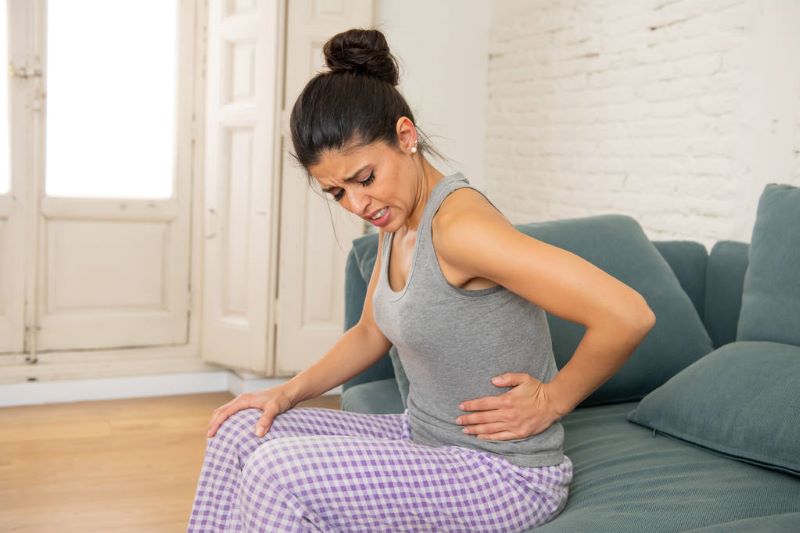
Period pain, also known as dysmenorrhea, is one of the most common menstrual symptoms experienced by women.
During menstruation, the uterus contracts to help shed its lining. These contractions are triggered by hormone-like substances called prostaglandins. Higher levels of prostaglandins can cause stronger uterine contractions, which may lead to:
- Lower abdominal cramps
- Aching or throbbing pain
- Lower back discomfort
- Bloating
- Fatigue
- Headaches
- Nausea
- Mood changes
For some women, period pain is mild and manageable. For others, severe cramps can make everyday activities challenging.
If your period pain suddenly changes, becomes severe, or affects your ability to function, it is important to speak with a healthcare professional, as painful periods can sometimes be linked to conditions such as endometriosis, fibroids, or other health concerns.
Natural Remedies to Help Relieve Period Pain
1. Use Heat Therapy
Applying heat is one of the simplest and most effective natural remedies for menstrual cramps.
Heat helps relax the muscles of the uterus, improve blood circulation, and reduce the sensation of pain.
Try using:
- A heating pad on your lower abdomen
- A hot water bottle
- A warm towel
- A relaxing warm bath
Many women find that applying heat for 15–20 minutes at a time can provide noticeable relief.
2. Stay Active With Gentle Exercise
While resting may feel like the best option during painful periods, gentle movement can actually help reduce discomfort.
Exercise increases blood flow and encourages the release of endorphins — natural chemicals in the body that help improve mood and reduce pain.
Good options include:
- Walking
- Yoga
- Stretching
- Swimming
- Light strength training
You do not need intense workouts. Even a short walk can help relieve tension and improve circulation.
3. Try Anti-Inflammatory Foods
Your diet may influence how your body responds during your menstrual cycle. Some foods can support the body’s natural inflammatory response and may help reduce discomfort.
Consider adding more:
Fatty Fish
Salmon, sardines, and other fatty fish contain omega-3 fatty acids, which support overall health.
Leafy Greens
Spinach, kale, and other greens provide important vitamins and minerals.
Nuts and Seeds
Foods such as walnuts, almonds, chia seeds, and flaxseeds provide healthy fats.
Fruits and Vegetables
Colourful fruits and vegetables provide antioxidants that support overall wellness.
You may also want to reduce foods that can worsen bloating or discomfort for some people, such as highly processed foods, excess sugar, and salty snacks.
4. Drink Herbal Teas
Some herbs have traditionally been used to support menstrual comfort.
Popular choices include:
Ginger Tea
Ginger has natural anti-inflammatory properties and may help reduce menstrual discomfort.
Chamomile Tea
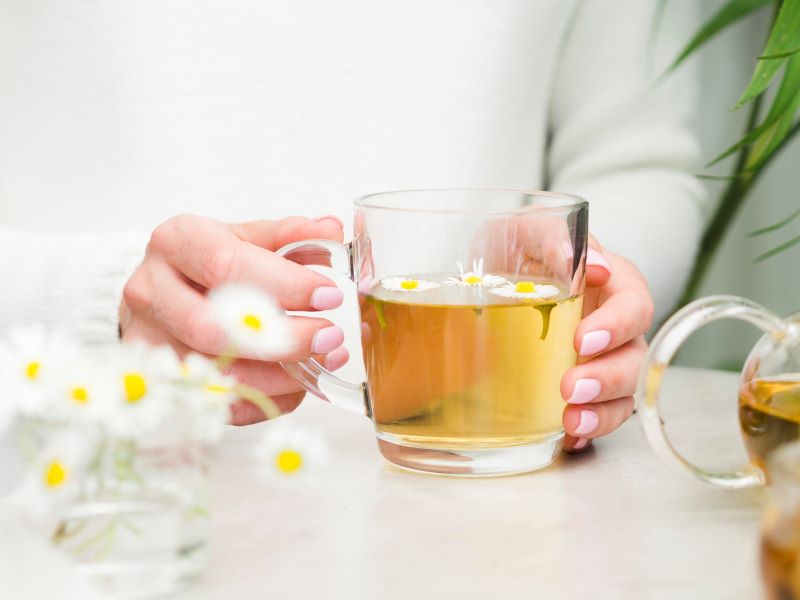
Chamomile tea has long been used as a calming herbal beverage and may help promote relaxation, reduce tension, and support better sleep during your menstrual cycle. Many women enjoy chamomile tea as part of their self-care routine when experiencing period discomfort. Learn more about the benefits of this soothing herbal drink in our guide: Herbal Chamomile Tea – A Natural Remedy.
Peppermint Tea
Peppermint tea may help soothe digestive discomfort and bloating.
Always check with a healthcare provider before using herbal supplements, especially if you take medications or have health conditions.
5. Consider Magnesium-Rich Foods
Magnesium is an important mineral involved in muscle function and relaxation.
Foods naturally rich in magnesium include:
- Dark chocolate (in moderation)
- Pumpkin seeds
- Almonds
- Spinach
- Beans
- Whole grains
Some women find that maintaining adequate magnesium intake supports overall menstrual wellness.
6. Explore Acupuncture
Acupuncture is a traditional practice that involves placing very thin needles at specific points on the body.
Some women report that acupuncture helps with:
- Menstrual discomfort
- Muscle tension
- Stress reduction
- Relaxation
If you are interested in acupuncture, choose a qualified and licensed practitioner.
Lifestyle Changes That May Help Manage Period Pain
Manage Stress
Stress can affect the body in many ways, including how we experience pain.
Relaxation techniques may help calm the nervous system and reduce tension.
Try:
- Deep breathing exercises
- Meditation
- Gentle yoga
- Journaling
- Spending time outdoors
Finding small moments of relaxation during your cycle can make a difference.
Stay Hydrated

Drinking enough water may help reduce bloating and support overall comfort during your period.
Tips:
- Keep a water bottle nearby
- Drink regularly throughout the day
- Include water-rich foods such as fruits and vegetables
Prioritize Quality Sleep
Sleep plays an important role in how the body manages stress and discomfort.
Helpful habits include:
- Keeping a consistent bedtime routine
- Creating a relaxing sleep environment
- Limiting screens before bed
- Allowing extra rest when needed during your period
Try Gentle Massage
Massaging the lower abdomen or lower back may help relax tense muscles and promote circulation.
You can use:
- Gentle circular motions
- A warm massage oil
- A relaxing self-care routine
Tracking Your Menstrual Cycle
Keeping track of your symptoms can help you understand your cycle and identify patterns.
Consider recording:
- When your period starts and ends
- Pain levels
- Mood changes
- Food choices
- Sleep patterns
- Exercise habits
This information can also be helpful if you need to discuss symptoms with your healthcare provider.
When to Talk to a Healthcare Provider
Although period pain is common, severe symptoms should not be ignored.
Speak with a healthcare professional if you experience:
- Severe pain that interferes with daily life
- Period pain that suddenly becomes worse
- Very heavy bleeding
- Pain between periods
- Pain during sex
- Symptoms that do not improve with self-care
Your healthcare provider can help determine whether there is an underlying cause and recommend appropriate treatment.
Final Thoughts
Period pain can be uncomfortable, but there are many natural ways to support your body and find relief. Heat therapy, gentle exercise, nourishing foods, hydration, stress management, and self-care practices may all help make your menstrual cycle more comfortable.
Every woman’s body is different, so it may take some time to discover which remedies work best for you. Listen to your body, prioritize your health, and seek medical advice if your symptoms are severe or affecting your quality of life.
With the right approach, managing period pain can become a more comfortable and empowering part of your wellness routine.