Choosing a Physiotherapist After 50: A Helpful Guide
4 min read
603 words
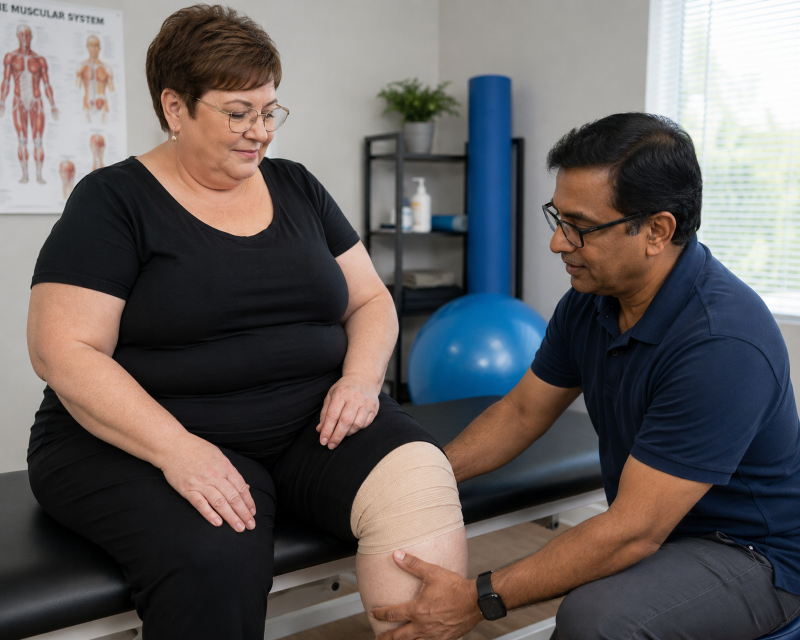
When pain, injury, or mobility issues begin to slow you down, choosing a physiotherapist who understands your needs can make a major difference in your recovery. Whether you need physiotherapy after injury, help with knee pain, arthritis management, or support rebuilding strength after surgery, the right therapist can help you move with more confidence and independence.
Many women over 50 experience changes in strength, balance, flexibility, and recovery time. A fall, joint injury, or ongoing pain can affect everyday activities such as walking, gardening, exercising, and travelling. The right physiotherapist for women over 50 can provide personalized care to improve mobility and help you stay active.
Why Expert Physiotherapy Care Is Essential
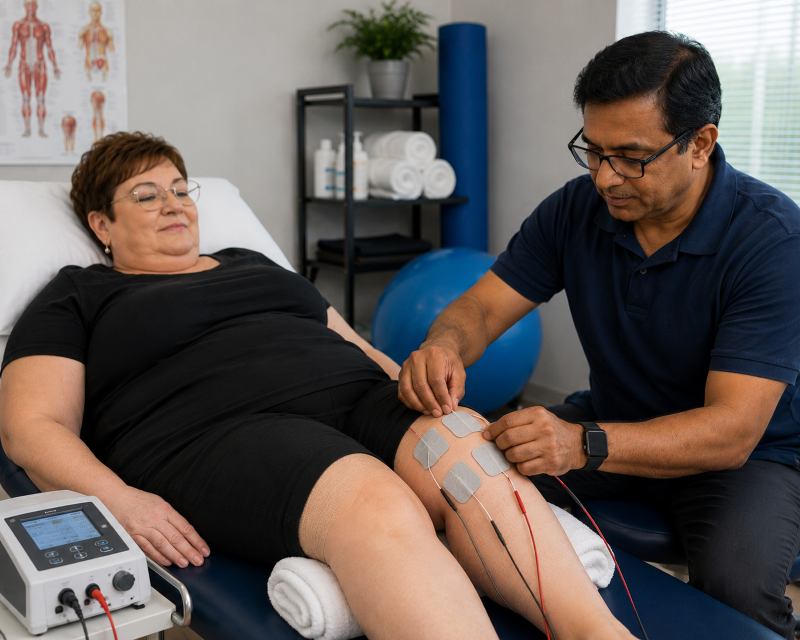
For many people, especially women over 50, finding the best physiotherapist for seniors or adults with mobility concerns can be an important step toward maintaining an active, independent lifestyle.
A qualified physiotherapist can provide targeted support for:
- Physiotherapy for knee pain after falls, strains, sprains, or joint injuries.
- Physiotherapy for balance and fall prevention to improve stability and confidence.
- Arthritis physiotherapy to reduce stiffness and improve movement.
- Back and neck pain treatment through targeted exercises.
- Physiotherapy after surgery to rebuild strength and restore function.
How to Find a Physiotherapist You Can Trust
Knowing how to find a physiotherapist you can trust starts with looking beyond location and appointment availability. The right therapist should have experience treating your specific condition and understand your personal goals.
When choosing a physiotherapist, check that they are licensed and registered in your province or state. You should also consider whether they have experience with your specific concerns, such as:
- Knee injuries and joint pain
- Balance problems
- Arthritis management
- Chronic pain
- Mobility challenges
- Recovery after surgery
Questions to Ask a Physiotherapist Before Your First Appointment
One of the most important steps when choosing a physiotherapist is asking questions before beginning treatment. A good therapist will welcome your concerns and explain their approach.
Important questions to ask a physiotherapist include:
- Have you treated patients with my specific condition before?
- Do you have experience with people in my age group?
- What does a typical physiotherapy treatment plan look like?
- How will we measure my progress?
- Will I receive exercises to continue at home?
Choosing the Right Physiotherapist for Your Recovery Goals

The best physiotherapist is someone who listens and understands what matters most to you. Whether your goal is walking comfortably again, returning to gardening, improving balance, or becoming stronger after an injury, your treatment plan should reflect your lifestyle.
A good therapist will explain why you are doing each exercise, adjust movements if needed, and help you understand your recovery process.
Physiotherapy After Injury: What to Expect

Physiotherapy after injury often focuses on restoring movement, rebuilding strength, and preventing future problems. Your treatment may include:
- Strength exercises
- Stretching and mobility work
- Balance training
- Movement education
- A personalized home exercise program
Many women wonder why an injury still hurts weeks after it happens. A soft tissue sprain can take time to heal, and recovery depends on factors such as the type of injury, swelling, mobility, and how well you follow your rehabilitation plan. Learn more in our article: How Long Does a Soft Tissue Sprain Take to Heal?
Your Recovery Partner Matters
Choosing a physiotherapist is about finding someone who supports your goals and helps you regain confidence in your body. The right therapist can help you improve mobility, manage pain, and return to the activities you enjoy.
Whether you are looking for physiotherapy for knee pain, arthritis support, balance training, or rehabilitation after an injury, the right physiotherapist can become an important partner in your journey toward better movement and independence.