How Long Does a Soft Tissue Sprain Take to Heal?
11 min read
2072 words
A soft tissue sprain can happen suddenly from a fall, a twist during sports, an awkward landing, or an unexpected accident. These injuries are extremely common and can occur during everyday activities, exercise, work, or recreational activities.
A soft tissue sprain occurs when the tissues that support and stabilize a joint become stretched or damaged, often involving the ligaments. While these injuries do not always involve a broken bone, they can still cause significant pain, swelling, stiffness, bruising, and difficulty with normal movement.
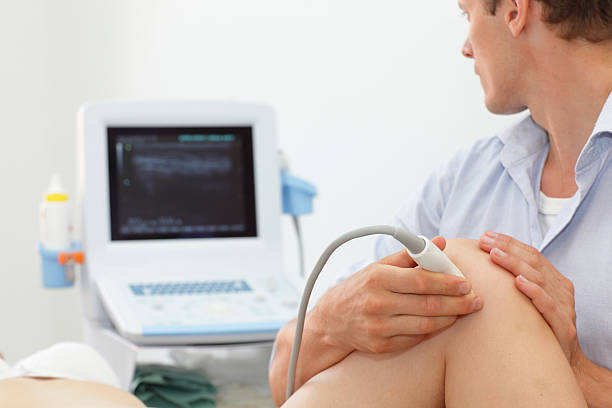
Many people become frustrated when an injury does not improve as quickly as expected, especially when an X-ray shows no fracture. It is important to understand that a normal X-ray does not always mean there is no injury. X-rays are excellent at detecting broken bones, but they do not show many soft tissue problems, including ligament sprains, tendon injuries, muscle damage, or cartilage issues. In some cases, additional imaging, such as an MRI, may be needed to better understand the extent of the injury.
If you are recovering from a soft tissue sprain, strain, or another type of soft tissue injury, understanding how the body heals can help you make informed decisions during recovery. With proper treatment, patience, physiotherapy, and rehabilitation, most people can gradually regain strength, movement, and function.
This guide explains what a soft tissue sprain is, how long it takes to heal, treatment options, the stages of recovery, what helps healing, and common mistakes to avoid.
What Is a Soft Tissue Injury?
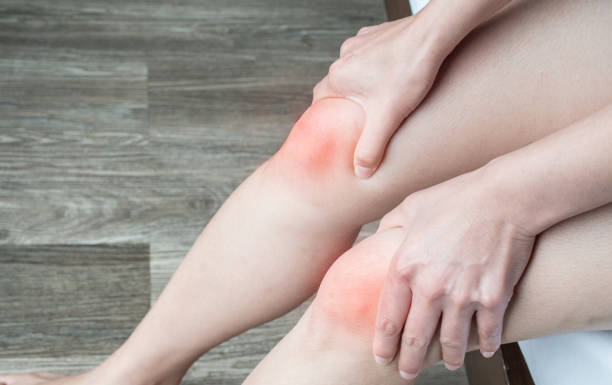
A soft tissue injury occurs when the tissues that support, connect, and protect your joints become damaged. These tissues play an important role in movement, stability, and protecting the body from stress.
Soft tissues include:
Ligaments — Strong bands of tissue that connect bones together and help stabilize joints.
Muscles — Tissues that allow the body to move and provide strength.
Tendons — Fibrous tissues that connect muscles to bones and allow movement.
Fascia and connective tissues — Supportive tissues that surround muscles, organs, and joints.
Soft tissue injuries can affect almost any area of the body but commonly occur in the:
- Knee
- Ankle
- Wrist
- Shoulder
- Back
- Neck
Common causes include:
- Falls
- Sudden twisting movements
- Awkward landings
- Sports injuries
- Repetitive motions
- Overuse injuries
- Workplace accidents
- Vehicle accidents
Even simple activities can sometimes cause soft tissue damage, especially when the body is placed under sudden stress or an unusual movement occurs.
Common Symptoms of a Soft Tissue Injury
Symptoms can vary depending on the severity and location of the injury. Some people experience mild discomfort, while others may have significant pain and limited movement.
Common symptoms include:
- Pain and tenderness at the injury site
- Swelling
- Bruising
- Stiffness
- Reduced range of motion
- Weakness
- Difficulty using the affected joint
- Feeling that the joint is unstable
Swelling is one of the body’s natural responses to injury. Although it can be uncomfortable, swelling helps begin the repair process by bringing important healing cells to the injured area.
However, excessive swelling can also limit movement, increase discomfort, and slow rehabilitation if not properly managed.
What Is the Difference Between a Sprain and a Soft Tissue Injury?
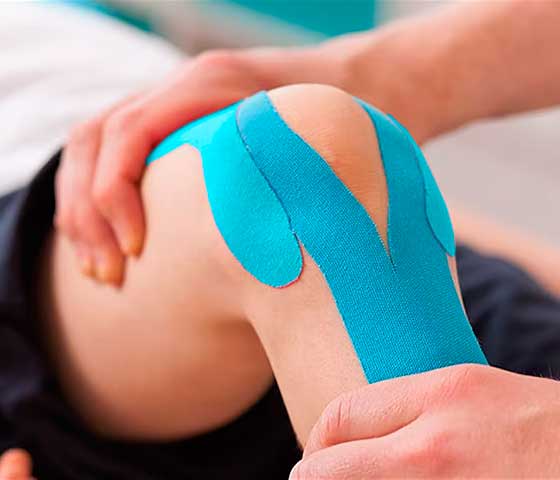
Many people use the terms sprain and soft tissue injury as if they mean the same thing, but there is a difference.
A sprain specifically refers to an injury involving a ligament. Ligaments connect bones together and help keep joints stable. When a ligament is stretched too far or torn, it can result in a sprain.
Examples include:
- Knee ligament sprain
- Ankle sprain
- Wrist sprain
A strain involves injury to a muscle or tendon. Strains often happen when a muscle is overstretched or forced beyond its normal ability.
Examples include:
- Pulled hamstring
- Back strain
- Shoulder strain
A soft tissue injury is the broader term that includes:
- Sprains
- Strains
- Muscle bruises
- Tendon injuries
- Ligament injuries
- Other connective tissue damage
Understanding the type of injury you have can help guide the correct treatment and recovery plan.
How Long Does a Soft Tissue Sprain Take to Heal?
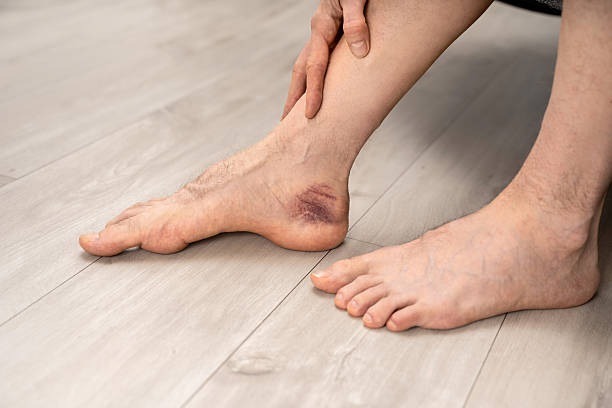
One of the most common questions people ask is, “How long will this take to heal?” The answer depends on several factors, including the severity of the injury, the location, your overall health, and how well you follow your rehabilitation plan.
Typical healing times include:
Mild Sprain
A mild sprain may heal within a few weeks. In these cases, the ligament is stretched but not significantly damaged.
Moderate Sprain
A moderate sprain may take several weeks to a few months to heal. This often involves partial tearing of the ligament and may require physiotherapy.
Severe Sprain
A severe sprain can take several months or longer to recover. Some serious injuries may require additional treatment, including surgery.
Factors that affect healing time include:
- The severity of the injury
- The location of the injury
- Your age
- Your general health
- Your activity level before injury
- Whether treatment begins early
- Following recommended exercises and rehabilitation
A very important thing to remember is that pain improvement does not always mean the injury is fully healed. Soft tissues continue repairing themselves even after symptoms begin improving.
Returning to normal activities too quickly can cause setbacks and extend recovery.
The Stages of Soft Tissue Healing
Soft tissue healing happens gradually and involves several important stages.
The Inflammatory Phase
This occurs during the first few days after injury.
During this stage, your body begins an emergency response. Blood flow increases, swelling develops, and the immune system starts removing damaged tissue.
Symptoms during this phase may include:
- Pain
- Swelling
- Warmth
- Tenderness
Protecting the injury during this stage is important.
The Repair Phase
This stage can last from several days to several weeks.
During repair, your body begins creating new tissue to replace damaged areas. This new tissue is fragile, which is why controlled movement and professional guidance are important.
Physiotherapy can help during this stage by:
- Improving mobility
- Reducing stiffness
- Restoring strength
- Teaching safe exercises
The Remodeling Phase
The remodeling phase may continue for weeks or months.
During this time, the newly formed tissue becomes stronger and adapts to normal activity demands.
Gradual strengthening helps the tissue regain function and reduces the chance of future injury.
How Painful Is a Soft Tissue Injury?
Pain levels vary widely depending on the person and the severity of the injury.
A soft tissue injury may cause:
- Mild aching
- Sharp pain with movement
- Throbbing discomfort
- Tenderness when touched
- Tightness
- Stiffness after resting
Swelling can make pain worse because it creates pressure around the injured tissues and may restrict movement.
Some people experience improvement quickly, while others may continue to have discomfort for weeks or months during recovery.
Can I Walk With a Soft Tissue Injury?
Whether you can walk depends on the type and severity of the injury.
Some people can walk with a mild sprain, while others may need additional support such as:
- A brace
- A cane
- Crutches
Walking may be appropriate when:
- Your healthcare provider approves it.
- Pain is manageable.
- Walking does not significantly increase swelling.
- You are not compensating with an abnormal limp.
Forcing yourself to walk through significant pain may delay healing.
For lower-body injuries, especially knee injuries, gradual return to walking and strengthening is often an important part of recovery.
How to Treat a Soft Tissue Sprain
Early treatment focuses on protecting the injury while controlling pain and swelling.
Protect the Injury
Avoid activities that increase pain or could cause further damage.
Rest Appropriately
Rest is important, but complete inactivity for too long can lead to stiffness and weakness.
Gentle movement, when approved, helps maintain mobility.
Ice the Area
Ice can help reduce pain and swelling, especially during the early stages.
Use ice for:
- 15–20 minutes at a time
- Several times throughout the day
- With a towel protecting your skin
Compression
A compression wrap, brace, or support may help control swelling when recommended.
Elevation
Keeping the injured area elevated while resting can help reduce fluid buildup.
Ice or Heat: Which Should You Use?
Ice and heat can both be helpful, but they are used at different times.
Ice
Ice is usually best for:
- Recent injuries
- Swelling
- Pain after activity
Heat
Heat may help with:
- Muscle tightness
- Stiffness
- Relaxation during later recovery
Avoid applying heat to a fresh injury that is swollen because it may increase inflammation.
How Electrotherapy Can Help With a Soft Tissue Sprain
Electrotherapy is a treatment option often used during physiotherapy to help manage pain, reduce discomfort, and support the recovery process after a soft tissue injury. One common form of electrotherapy is Transcutaneous Electrical Nerve Stimulation (TENS), which uses gentle electrical impulses delivered through electrodes placed on the skin.
TENS may help reduce pain by stimulating nerves and encouraging the body to release natural pain-relieving chemicals called endorphins. It is often used for people experiencing ongoing discomfort, muscle tension, or pain that makes movement difficult.
Other forms of electrotherapy used in rehabilitation may include treatments designed to help reduce swelling, improve circulation, relax muscles, or support tissue recovery. Your physiotherapist will determine whether electrotherapy is appropriate based on your injury, symptoms, and stage of healing.
Electrotherapy is usually used as part of a broader recovery plan that may include targeted exercises, stretching, strengthening, manual therapy, and gradual return to normal activities. While it can help manage symptoms, it does not replace the body’s natural healing process or the importance of proper rehabilitation.
Should I Massage a Soft Tissue Injury?
Massage may help reduce muscle tension and stiffness, but timing matters.
Deep massage too early may irritate healing tissues and increase swelling.
Before starting massage therapy, ask your healthcare provider or physiotherapist whether it is appropriate for your stage of recovery.
What Helps a Sprain Heal Faster?
There is no instant cure for a soft tissue injury, but several habits can support recovery.
Follow Physiotherapy Recommendations
Physiotherapy can help:
- Reduce pain
- Improve movement
- Restore strength
- Prevent stiffness
- Improve stability
Prompt physiotherapy can reduce pain, limit long-term damage, and shorten recovery time.
Support Your Body With Nutrition
Healing requires energy and nutrients.
Helpful choices include:
- Protein-rich foods
- Fruits and vegetables
- Vitamin C
- Calcium
- Vitamin D
- Plenty of water
Get Enough Sleep
Sleep plays an important role in tissue repair and recovery.
Return to Activities Slowly
Gradually increasing activity allows your body to rebuild strength safely.
What Not to Do After a Soft Tissue Injury
Avoid:
- Ignoring ongoing pain
- Returning to sports too soon
- Aggressive stretching early in recovery
- Deep massage while swelling is present
- Staying completely inactive for too long
- Testing the injury repeatedly
Trying to rush recovery can often lead to a longer healing process.
What Happens If a Soft Tissue Injury Is Not Treated?
Ignoring a soft tissue injury can result in:
- Persistent pain
- Long-term swelling
- Reduced mobility
- Weakness
- Joint instability
- Increased risk of reinjury
- Longer recovery time
Early assessment and appropriate rehabilitation can help prevent these problems.
How to Treat a Soft Tissue Injury at Home
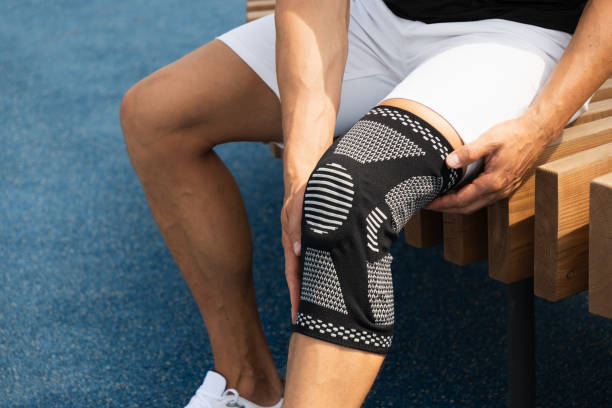
Home care may include:
- Following medical advice
- Using ice or heat appropriately
- Elevating the injured area
- Wearing recommended braces or supports
- Completing prescribed exercises
- Avoiding painful activities
- Monitoring changes in swelling and movement
When Should You See a Doctor?
Seek medical attention if you experience:
- Severe swelling
- Inability to bear weight
- Increasing pain
- Numbness or tingling
- Joint instability
- Significant bruising
- No improvement after several weeks
Final Thoughts

Recovering from a soft tissue sprain requires patience. Unlike a broken bone, these injuries often cannot be seen on an X-ray, making recovery feel uncertain at times.
Healing may take weeks or months, but early assessment, physiotherapy, proper treatment, and gradual strengthening can help restore movement and prevent future problems.
Your body has an incredible ability to repair itself. By protecting your injury, following your treatment plan, and listening to your body’s signals, you can give yourself the best opportunity for a safe and complete recovery.
Medical Disclaimer
The information provided in this article is for educational and informational purposes only and should not be considered medical advice, diagnosis, or treatment recommendations. Every soft tissue injury is different, and healing time, symptoms, and treatment options can vary from person to person.
If you have experienced a fall, accident, severe pain, significant swelling, loss of movement, or difficulty using the injured area, consult a qualified healthcare professional for proper assessment and guidance. Always follow the advice and treatment plan provided by your doctor, physiotherapist, or other healthcare provider.
Do not delay seeking medical care based on information found in this article. If symptoms worsen or you have concerns about your recovery, seek professional medical attention.