Why Screen Free Play Matters More Than Ever
7 min read
1355 words
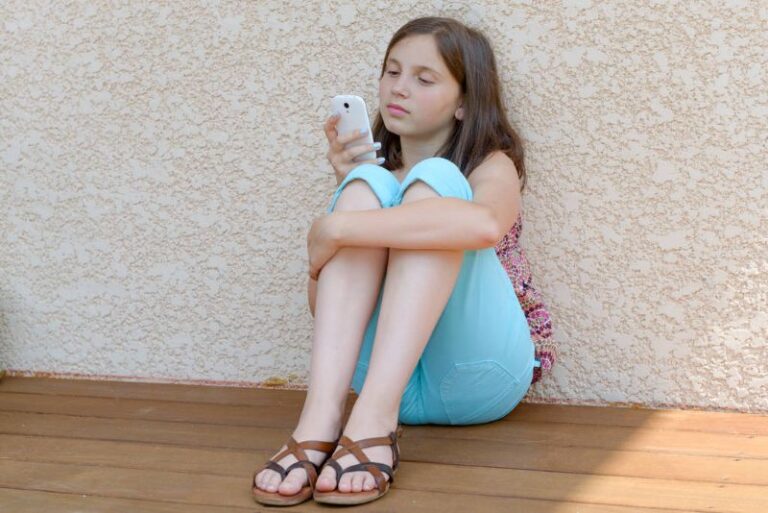
Children today are growing up surrounded by technology. Tablets, smartphones, video games, and streaming entertainment are part of everyday life for many families. These digital tools can offer many benefits, from educational apps that make learning fun to helping children stay connected with loved ones. However, many parents are starting to ask an important question: Are children getting enough time away from screens? With busy schedules and endless digital entertainment, simple childhood activities like playing outside, building with toys, creating art, and using imagination can sometimes get pushed aside. More families are rediscovering the value of screen free play and bringing back activities that encourage creativity, movement, problem solving, and family connection.
It is not about removing technology completely. It is about creating a healthy balance and making room for hands on experiences that help children explore, learn, and grow.
Classic toys, outdoor adventures, and simple family activities continue to make a comeback because they give children the freedom to create, imagine, and enjoy play in their own way. Sometimes the best childhood memories come from the simplest moments.
Why Screen Free Play Is Important for Children
Encourages Creativity and Imagination
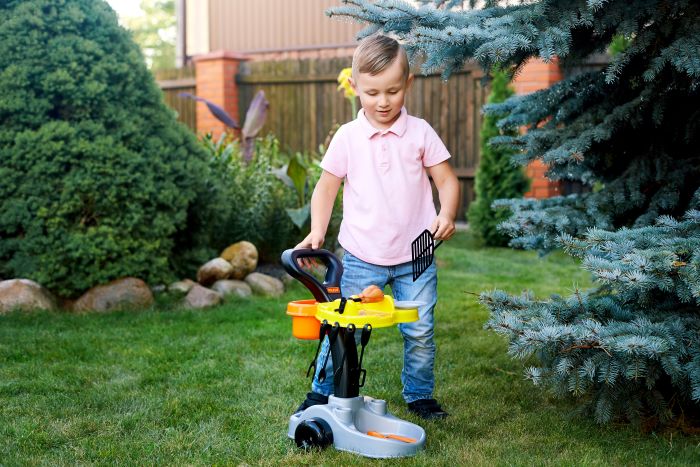
When children spend less time following a screen, and more time engaging in screen free play they have more opportunities to use their own imagination. Instead of following a storyline created by someone else, they can invent their own games, characters, and adventures.
A cardboard box can become a race car, a spaceship, a castle, or a cozy reading corner. Building blocks can turn into a city one day and a fantasy world the next. Dolls, action figures, crafts, and pretend play allow children to tell stories, explore emotions, and express themselves.
These activities help children become creative thinkers rather than just consumers of entertainment.
Supports Child Development
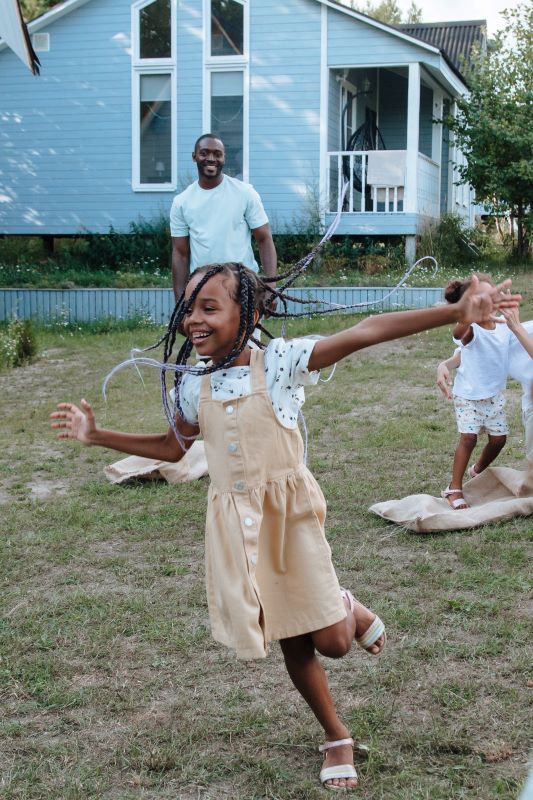
Play is more than fun. Children learn important skills every time they build, create, explore, and interact with others.
Problem Solving: Building towers, completing puzzles, and creating games teach children how to think through challenges.
Fine Motor Skills: Drawing, crafts, puzzles, and building toys strengthen hand and finger coordination needed for everyday tasks.
Gross Motor Skills: Running, climbing, biking, and outdoor play help develop balance, strength, and coordination.
Social Skills: Playing with others teaches children how to share, communicate, cooperate, and solve disagreements.
Finding a Healthy Balance With Screen Time
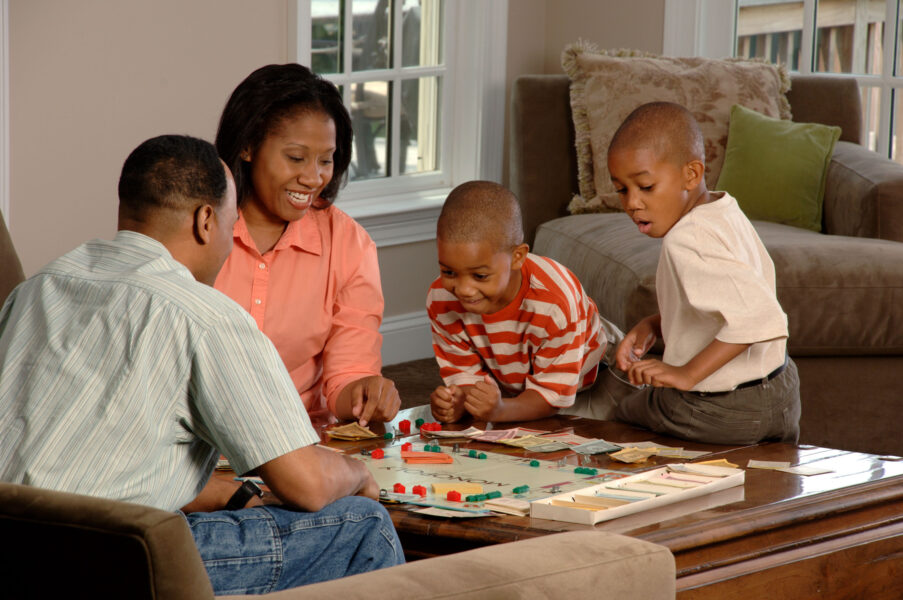
Screens are not the enemy. Technology can support learning, creativity, and connection. The concern is when screen time begins to replace important experiences such as outdoor play, family conversations, creative activities, and independent exploration.
Some children may find it difficult to switch away from screens or become bored when devices are unavailable. This is a chance to help them rediscover activities that encourage curiosity and imagination.
The goal is not perfection. It is balance.
Screen Free Play Ideas Kids Enjoy

Outdoor Activities
Getting outside provides endless opportunities for creativity and adventure.
Flying Kites: A simple activity that encourages patience, movement, and the excitement of watching something soar through the sky. See our guide: How to Choose the Best Kite for Kids: A Beginner’s Guide to Outdoor Fun.
Riding Bikes: Helps children build confidence, independence, and physical skills.
Nature Scavenger Hunts: Turn a walk into an adventure by searching for items like pinecones, interesting rocks, or colourful leaves.
Gardening: Planting seeds and caring for plants teaches responsibility and patience.
Backyard Adventures: Building a tent, playing games, camping, or looking at the stars can create lasting memories.
Riding Scooters: Scooters are a fun way for children to stay active while building balance, coordination, and confidence. Whether they are riding around the neighbourhood, at a park, or on a family outing, scooters encourage outdoor exploration and physical activity while giving kids a sense of independence.
Classic Toys That Encourage Imagination
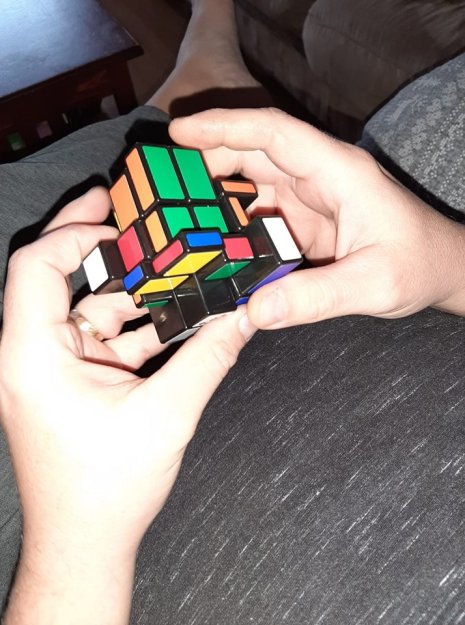
Many traditional toys remain popular because they allow children to create, explore, and play at their own pace.
Building Blocks: Encourage creativity, design, problem solving, and engineering skills.
Dolls and Action Figures: Help children create stories, explore emotions, and practice social skills.
Toy Cars and Tracks: Allow children to build their own worlds while learning about movement and cause and effect.
Board Games: Teach patience, teamwork, strategy, and how to follow rules.
Puzzles: Improve concentration, problem solving, and spatial skills.
Craft Kits and Dress Up Sets: Encourage creativity and self expression while allowing children to explore different interests.
Many parents are also rediscovering toys from their own childhoods. Learn more in our article: Retro Toys Making a Comeback: Old Favourites Return.
Family Activities Without Screens

Some of the best childhood memories come from spending time together.
Family Game Nights: Board games and card games create opportunities for laughter, conversation, and learning important skills like patience and teamwork. Discover more ideas in our article Classic Board Game Gift Ideas.
Baking and Cooking Together: Preparing food teaches children about measuring, following directions, and trying new things.
Reading Together: Sharing books encourages imagination and creates quiet family time.
Building a Fort: A pile of blankets, pillows, and a little creativity can turn an ordinary room into a secret hideaway, castle, or reading space. Building forts encourages children to plan, create, and use their imagination while giving families a fun project to enjoy together. Discover more about creative fort building with Make-A-Fort.
Storytelling: Taking turns adding to a story encourages creativity and often leads to funny and unexpected ideas.
Screen-Free Activities for Teens
Older children and teens also benefit from activities that allow them to create, learn new skills, and build confidence outside the digital world. As their interests and abilities grow, screen-free activities can become opportunities for personal growth, independence, and real-world experience.
- Woodworking and Building Projects: Creating a birdhouse, shelf, planter box, or other small projects teaches planning, measuring, patience, problem-solving, and the satisfaction of building something from start to finish.
- Cooking and Baking: Preparing meals and trying new recipes helps teens become more independent while learning valuable skills they will use throughout life.
- Gardening and Outdoor Projects: Planting, caring for a garden, or working on outdoor projects encourages responsibility and helps teens develop a connection with nature.
- Creative Hobbies: Art, photography, sewing, music, crafts, and other creative activities give teens ways to express themselves and explore their interests.
- Sports and Recreation: Activities such as hiking, cycling, camping, and team sports encourage physical activity, teamwork, and social connection.
- Volunteering: Helping in the community allows teens to build confidence, develop empathy, gain experience, and strengthen leadership skills.
Teens looking for more ways to spend time away from screens can also get involved in youth programs, community activities, and summer camps. These opportunities allow them to meet new people, learn new skills, and explore interests outside of technology.
Older teens may also enjoy applying to become summer camp leaders or helpers. Working at a camp provides valuable experience while giving teens the chance to develop leadership skills, mentor younger children, and help create fun and memorable experiences for others.
How Parents Can Encourage More Screen Free Time
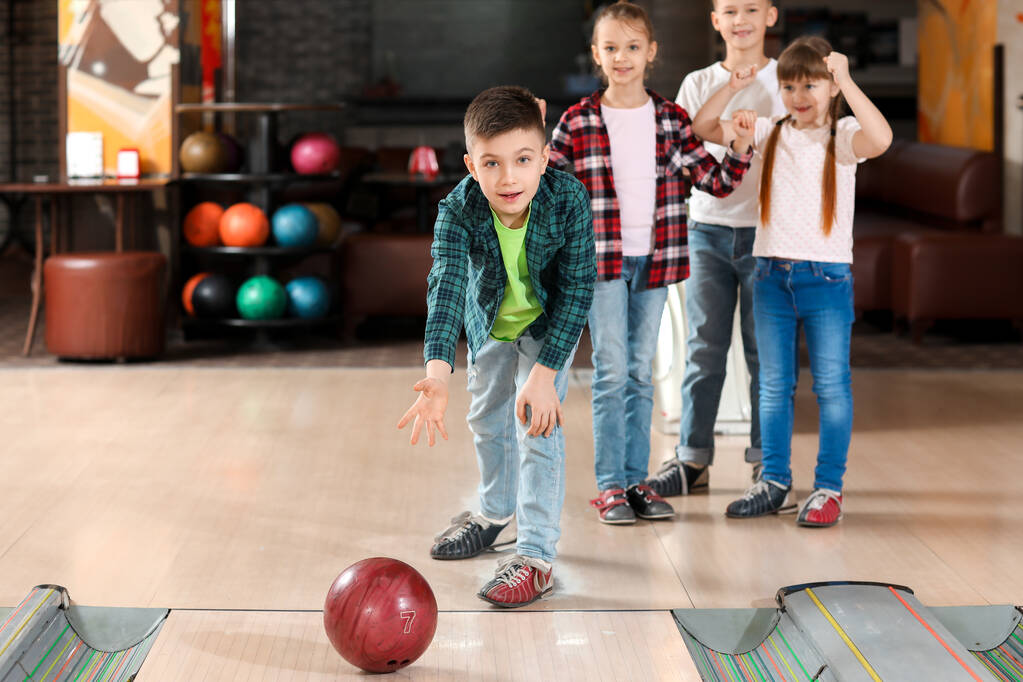
Small changes can make a big difference.
- Create screen free spaces: Consider keeping devices away from bedrooms or the dinner table.
- Keep activities available: Store books, toys, puzzles, and craft supplies where children can easily access them.
- Rotate toys: Bringing out forgotten toys can make them feel new again.
- Join their play: Spending time building, creating, or playing together shows children that these activities matter.
- Make outdoor time part of the routine: Regular walks, bike rides, or backyard play can become a natural part of family life.
Final Thoughts: Giving Kids Back the Joy of Play
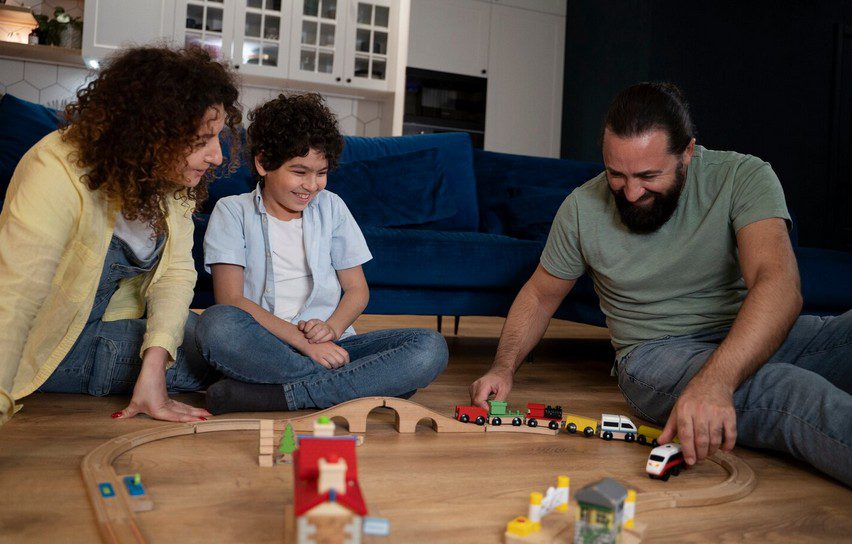
Screen free play is not about taking technology away from children. It is about making sure they also have time to create, explore, move, and connect with the people around them.
Simple activities like building with blocks, flying a kite, playing a board game, drawing, or spending time outdoors can help children develop confidence, creativity, and lasting memories.
In a world filled with screens, giving children time to play without technology may be one of the greatest gifts parents can provide. Sometimes the best adventures begin with simple things, a little imagination, and the freedom to play.