
Why Screen Free Play Matters More Than Ever
9 min read
1799 words
Children today are growing up surrounded by technology. Tablets, smartphones, video games, and streaming entertainment are part of everyday life for many families. These digital tools offer benefits, from educational apps that make learning enjoyable to helping children stay connected with loved ones. However, many parents are asking an important question: Are children getting enough time away from screens?
With busy schedules and endless digital entertainment, traditional childhood activities such as playing outside, building with toys, creating art, and using imagination can sometimes get pushed aside. More families are recognising the value of screen-free play and making room for activities that encourage creativity, movement, problem-solving, and family connection.
The goal is not to eliminate technology but to create a healthy balance. Hands-on experiences give children opportunities to explore their interests, learn new skills, and enjoy the freedom of play. Often, the simplest activities become the childhood memories they treasure most.
Why Screen-Free Play Is Important for Children

Encourages Creativity and Imagination
When children have opportunities to play without screens, they can invent their own games, characters, and adventures rather than following a storyline created by someone else.
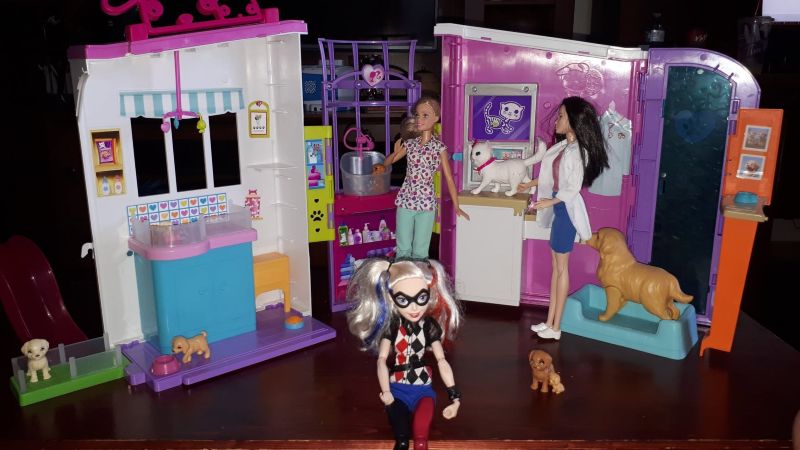
A cardboard box might become a race car, spaceship, or castle. Building blocks can transform into a bustling city, while dolls, action figures, and pretend play encourage children to create stories and explore different roles. Drawing, painting, and crafting offer additional ways to express ideas and develop individual interests.
These experiences allow children to direct their own play, experiment with possibilities, and discover where their imaginations can take them.
Supports Child Development
Play is about more than having fun. Building towers, completing puzzles, and inventing games encourage problem-solving by helping children work through challenges and try different solutions. Drawing, crafting, and playing with building toys strengthen hand and finger coordination, while activities such as running, climbing, and cycling help develop balance, strength, and physical coordination.
Playing with siblings, friends, and other children also provides opportunities to practise communication, sharing, cooperation, taking turns, and resolving disagreements. These everyday experiences help children build skills they can use at home, at school, and in their relationships with others.
Finding a Healthy Balance With Screen Time
Screens are not the enemy. Technology can support learning, creativity, and connection. The concern arises when screen time consistently replaces other important experiences, including physical activity, family conversations, creative hobbies, and independent play.
Some children may find it difficult to switch off a favourite show or game, while others may struggle to decide what to do when a device is unavailable. Rather than treating boredom as a problem that must immediately be solved, parents can use these moments to encourage children to explore their interests and discover new activities.
A healthy balance looks different for every family. The aim is to make room for a variety of experiences without turning screen time into a constant source of conflict.
Screen-Free Play Ideas Kids Enjoy
Outdoor Activities
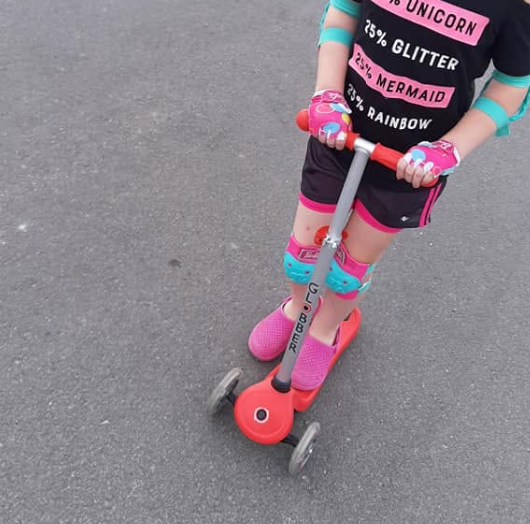
Getting outside provides opportunities for movement, exploration, and adventure. Children can fly kites, ride bikes, or explore their neighbourhood on scooters while developing physical skills and confidence. Families new to kite flying can find helpful advice in our guide, How to Choose the Best Kite for Kids: A Beginner’s Guide to Outdoor Fun.
Nature scavenger hunts can turn an ordinary walk into an adventure as children search for pinecones, interesting rocks, colourful leaves, and other natural treasures. Gardening introduces them to plant care and the natural world, while backyard activities such as building a tent, playing outdoor games, camping, or stargazing provide simple ways to spend time together.
Riding scooters is another enjoyable option. Whether children are riding around the neighbourhood, visiting a park, or joining a family outing, scooter riding combines physical activity with outdoor exploration.
These activities do not require elaborate planning. A little time outdoors can give children a welcome change of pace and a chance to discover the world beyond their screens.
Classic Toys That Encourage Imagination
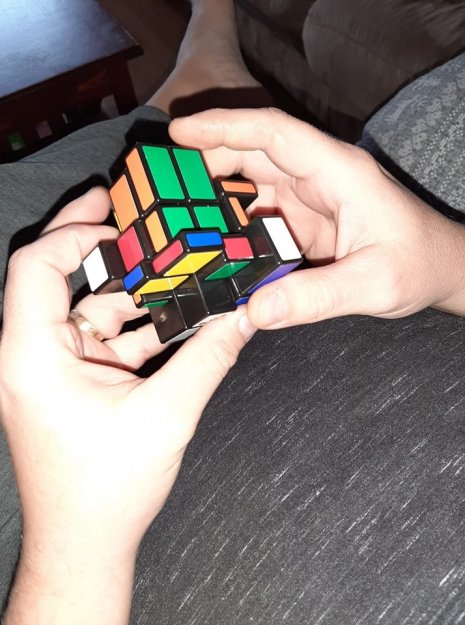
Traditional toys remain popular because they allow children to experiment, make decisions, and create their own experiences. Building blocks encourage them to explore shapes, balance, and design, while dolls and action figures inspire storytelling and imaginative role-play. Toy cars and tracks allow children to design routes, test different arrangements, and see what happens when they change an obstacle.
Board games introduce turn-taking, patience, strategic thinking, and cooperation. Puzzles encourage concentration and visual problem-solving, while craft kits and dress-up sets give children opportunities to create, experiment, and express their personalities.
The value of these toys lies in the freedom they offer. Children can change the rules of a pretend game, rebuild a tower that falls over, or approach a puzzle in a different way. Parents can support this learning by allowing children to direct their own play rather than concentrating on producing a perfect result.
Choosing toys that suit a child’s age, abilities, and interests can make these experiences more enjoyable. Families looking to introduce younger generations to toys they remember from their own childhoods can also explore our article, Retro Toys Making a Comeback: Old Favourites Return.
Family Activities Without Screens
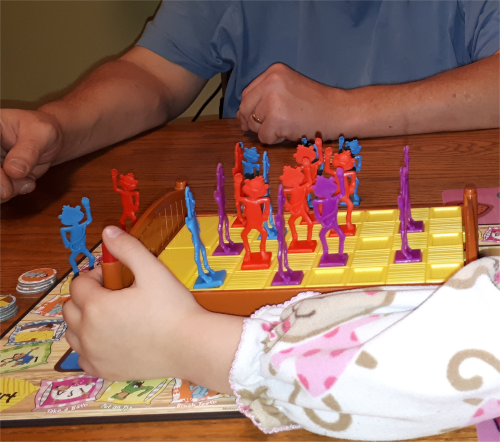
Some of the most memorable family moments happen during ordinary activities. Parents do not need expensive equipment or elaborate plans to create opportunities for connection.
Family Game Nights: Board games and card games bring everyone together for laughter, friendly competition, and shared experiences. They can also encourage patience, communication, and teamwork. For inspiration, explore our article, Classic Board Game Gift Ideas.
Baking and Cooking Together: Preparing food gives children opportunities to measure ingredients, follow directions, and try new flavours. It can also be a wonderful way to pass down family recipes and traditions.
Building a Fort: Blankets, pillows, and a little imagination can transform an ordinary room into a secret hideaway, castle, or cosy reading space. Children can help plan the structure, arrange the materials, and decide how to use their new creation. Discover more ideas in our Make A Fort review.
Storytelling: Taking turns adding to a story encourages children to invent characters, create imaginary worlds, and think creatively. The results can be funny, surprising, and uniquely their own.
Rediscovering Classic Toys: Sometimes, a familiar toy can introduce a new generation to the simple pleasures of hands-on play. I have fond memories of my Easy-Bake Oven in the 1970s, and both of my daughters had one, too. Seeing them enjoy the same classic toy reminded me how certain childhood experiences can connect generations. Read more about these memories in our Easy-Bake Oven article.
These shared activities offer more than entertainment. They create opportunities for conversation, cooperation, and family traditions that children may remember long after the activity itself has ended.
Screen-Free Activities for Teens

Older children and teenagers benefit from having opportunities to pursue interests, develop independence, and learn practical skills away from screens. As their preferences become more individual, encouraging them to choose activities they genuinely enjoy can help them discover new hobbies and build confidence.
Woodworking and Building Projects: Making a birdhouse, shelf, planter box, or another small project teaches teens to plan, measure, follow instructions, and work through challenges. Using tools safely and completing a project can also provide a satisfying sense of accomplishment.
Cooking and Baking: Preparing meals, experimenting with recipes, and learning basic kitchen skills help teenagers become more independent. These activities introduce practical lessons in food preparation, organisation, and following directions.
Gardening and Outdoor Projects: Planting seeds, maintaining a garden, or helping with landscaping encourages responsibility and patience. Teens can learn about plant care, seasonal changes, and the satisfaction of seeing their efforts produce results.
Creative Hobbies: Art, photography, sewing, music, and crafts provide outlets for self-expression. Whether a teen enjoys drawing, making clothing, or learning an instrument, regular practice can help develop skills and confidence.
Sports and Recreation: Hiking, cycling, camping, swimming, and team sports offer opportunities for physical activity, perseverance, and teamwork. Taking part with friends or family can also strengthen social connections.
Volunteering: Helping at community events, animal shelters, food banks, or local organisations allows teens to contribute to their communities while developing communication and leadership skills. Volunteering can also introduce them to new interests and provide useful experience for future education or employment.
Parents can support these interests by providing access to basic supplies, helping teens find suitable opportunities, and allowing them to experiment without pressure to excel. Not every hobby needs to become a long-term commitment. Sometimes, trying something new is enough to spark an interest or uncover a talent.
Youth programs, community activities, and summer camps can offer additional ways for teenagers to meet people and explore interests. Older teens may also enjoy applying to become summer camp helpers or leaders, gaining experience while mentoring younger children and helping create enjoyable experiences for others.
How Parents Can Encourage More Screen-Free Time
Creating a healthier balance does not have to involve a complete change to family life. Small, consistent adjustments can make other activities easier to enjoy.
Keeping devices away from the dinner table encourages conversation, while making books, puzzles, toys, and craft supplies easy to access gives children alternatives when they are looking for something to do. Rotating toys can renew interest without requiring new purchases, and joining children in a creative project or outdoor activity shows that play can be enjoyable at any age.
It is equally important to let children choose activities that reflect their interests rather than expecting siblings to enjoy the same hobbies. Some children may prefer drawing or building, while others would rather cycle, garden, or play a board game.
Start with manageable changes, such as a family game night, an outdoor walk, or a short period of creative play. Involving children in deciding what to do can make these changes feel more natural and help them develop independence.
The objective is not to fill every moment with a planned activity. Children also need unstructured time to relax, explore, and decide for themselves how they want to play.
Final Thoughts: Giving Kids the Joy of Play
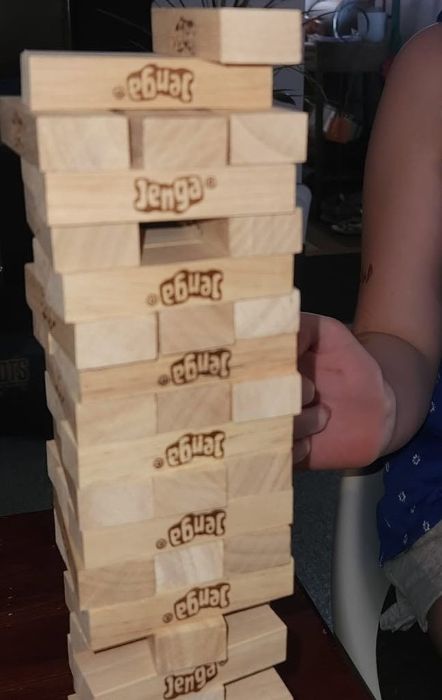
Screen-free play is not about taking technology away from children. It is about ensuring they have opportunities to create, explore, move, and connect with the people around them.
From building with blocks and flying kites to baking together, discovering classic toys, or learning a practical skill, everyday activities can help children develop confidence and explore their interests. For teenagers, hobbies, outdoor adventures, and community involvement can provide valuable experiences as they grow more independent.
Parents do not need to organise elaborate activities or spend a lot of money. Sometimes, providing a little time, a few simple materials, and the freedom to explore is enough.
In a world filled with screens, making room for play without technology can be a meaningful gift. Some of the best adventures begin with simple things, a little imagination, and the freedom to play.