
Gum Disease Symptoms You Should Never Ignore
7 min read
1243 words
That twinge of pain when you brush your teeth or the occasional spot of pink in the sink is easy to dismiss. Many people assume a little bleeding or tenderness is normal, but these seemingly minor symptoms can be early signs of gum disease. Recognizing gum disease symptoms early can help prevent long term damage to your teeth, gums, and even your overall health. Also known as periodontal disease, gum disease affects nearly half of adults over age 30. The good news is that it is often preventable and highly treatable when caught in its early stages.
What Is Gum Disease?
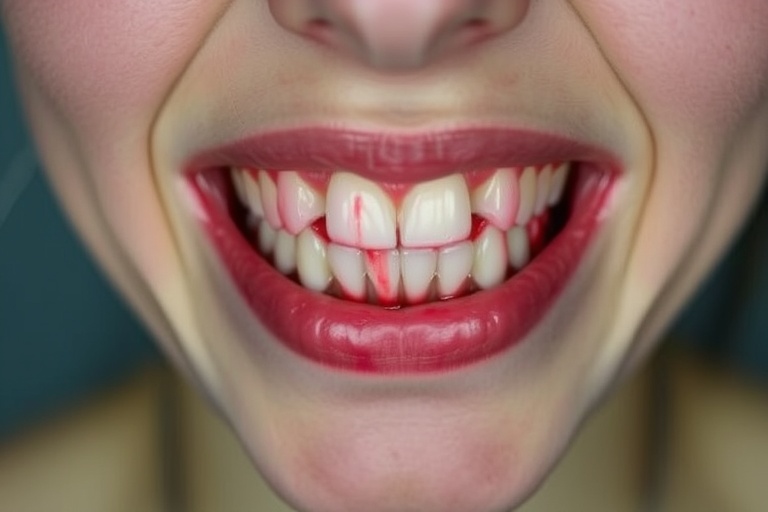
Gum disease is an infection of the tissues that support your teeth. It usually begins as gingivitis, the mildest stage of gum disease. Gingivitis causes inflammation of the gums but does not damage the bone that supports your teeth.
Without treatment, gingivitis can progress to periodontitis, a more serious form of gum disease. At this stage, the gums begin to pull away from the teeth, creating pockets where bacteria can grow. Over time, the infection can destroy the bone and connective tissue that hold your teeth in place, eventually leading to loose teeth or tooth loss.
The main cause of gum disease is plaque, a sticky film of bacteria that constantly forms on your teeth. If plaque is not removed through regular brushing and flossing, it hardens into tartar, which can only be removed by a dental professional.
Early Gum Disease Symptoms
The first gum disease symptoms are often painless, making them easy to overlook. However, paying attention to these warning signs can help you seek treatment before permanent damage occurs.
Bleeding Gums
One of the earliest and most common gum disease symptoms is bleeding gums. If you notice blood while brushing, flossing, or eating crunchy foods, your gums are inflamed and need attention. Healthy gums should not bleed during routine oral care.
Red or Swollen Gums
Healthy gums are firm and light pink. Gums that appear red, swollen, or puffy may be responding to a bacterial infection. Tenderness when brushing or touching your gums is another sign that something is wrong.
Persistent Bad Breath
Bad breath that continues despite brushing, flossing, and using mouthwash may be caused by bacteria trapped below the gumline. Persistent bad breath is one of the most overlooked gum disease symptoms.
Receding Gums
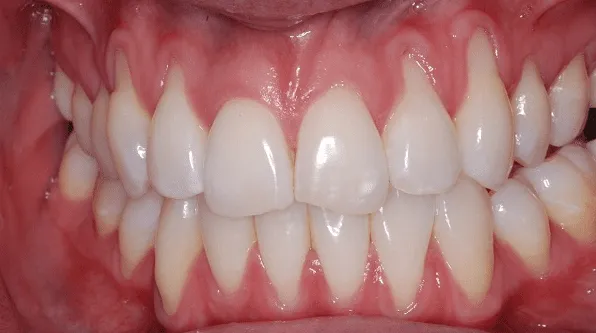
If your teeth appear longer than they used to or your gum line seems to be pulling away from your teeth, you may have receding gums. Gum recession exposes the tooth roots, increasing sensitivity and making teeth more vulnerable to decay.
Advanced Gum Disease Symptoms
As gum disease progresses, the symptoms become more serious. These advanced gum disease symptoms require prompt treatment from a dentist.
Pus Around the Gums
Pus between the gums and teeth is a clear sign of infection. This symptom should never be ignored, as it indicates active periodontal disease.
Loose Teeth
Healthy teeth should feel stable. If a tooth begins to loosen or shift, gum disease may have damaged the supporting bone and tissue.
New Spaces Between Teeth
As the infection destroys the bone supporting your teeth, gaps may begin to appear between teeth that were previously close together.
Changes in Your Bite
If your teeth suddenly fit together differently when you bite or chew, gum disease may be affecting the structures that support your teeth.
Pain While Chewing
Pain or discomfort when chewing may indicate advanced periodontal disease or another dental problem that requires professional evaluation.
Who Is Most at Risk?
Anyone can develop gum disease, but several factors increase your risk.
- Smoking or using tobacco products is one of the strongest risk factors because tobacco reduces blood flow to the gums and makes healing more difficult.
- People with diabetes are also more likely to develop gum disease because high blood sugar can make it harder for the body to fight infection.
- Hormonal changes during pregnancy, puberty, or menopause may make gums more sensitive and prone to inflammation.
- Certain medications reduce saliva production, leading to dry mouth. Since saliva helps wash away bacteria, a dry mouth increases the risk of plaque buildup.
- Genetics can also play a role. Some people are simply more susceptible to periodontal disease even with good oral hygiene.
- Poor brushing and flossing habits remain one of the leading causes of gum disease.
How Dentists Diagnose Gum Disease
During a dental examination, your dentist will look for signs of inflammation and infection.
They will measure the space between your teeth and gums using a periodontal probe. Healthy gum pockets generally measure between one and three millimetres. Deeper pockets may indicate periodontal disease.
Your dentist will also check for bleeding around the gums and may take dental X rays to determine whether bone loss has occurred.
Early diagnosis allows treatment to begin before permanent damage develops.
Treatment for Gum Disease
Treatment depends on how advanced the disease has become.
Gingivitis Treatment
When gum disease is diagnosed early, treatment is often straightforward. A professional dental cleaning removes plaque and tartar from the teeth. Maintaining good oral hygiene at home with brushing twice daily and daily flossing can often reverse gingivitis completely.
Periodontitis Treatment
More advanced gum disease usually requires scaling and root planing, sometimes called deep cleaning. This procedure removes plaque and tartar below the gumline and smooths the tooth roots to help the gums heal.
Some patients may also require antibiotic treatment to control infection.
In severe cases, surgery may be needed to repair damaged gum tissue or replace bone that has been lost.
Can Gum Disease Affect Your Heart?
Research suggests there may be a connection between gum disease and heart disease. Scientists believe that bacteria from infected gums can enter the bloodstream and contribute to inflammation throughout the body.
Chronic inflammation is considered one of the factors that may increase the risk of cardiovascular disease, heart attack, and stroke. While researchers continue to study this relationship, maintaining healthy gums is considered an important part of supporting overall health.
If you would like to learn more, read our related article on Oral Health and Heart Disease: Why Brushing Matters, which explores how good oral hygiene may benefit your cardiovascular health.
How to Prevent Gum Disease
Preventing gum disease is much easier than treating advanced periodontal disease.
- Brush your teeth twice each day using fluoride toothpaste.
- Floss every day to remove plaque between your teeth.
- Replace your toothbrush every three to four months or sooner if the bristles become worn.
- Eat a balanced diet that limits sugary foods and beverages.
- Avoid smoking and tobacco products.
- Visit your dentist regularly for professional cleanings and checkups.
When Should You See a Dentist?
Never ignore persistent gum disease symptoms. Schedule a dental appointment if you notice bleeding gums, swelling, bad breath that does not improve, gum recession, or increased tooth sensitivity.
Seek prompt dental care if you develop loose teeth, pus around your gums, pain while chewing, or noticeable changes in your bite.
The earlier gum disease is diagnosed, the easier it is to treat. Taking action today can help protect your smile, preserve your teeth, and support your overall health for years to come.
Disclaimer: The information provided in this article is for educational and informational purposes only and is not intended to replace professional medical or dental advice. If you have concerns about your oral health, symptoms of gum disease, or any changes in your teeth or gums, consult your dentist or healthcare provider for proper diagnosis and treatment.