Strength Training After 50: Build Muscle & Strength
6 min read
1101 words
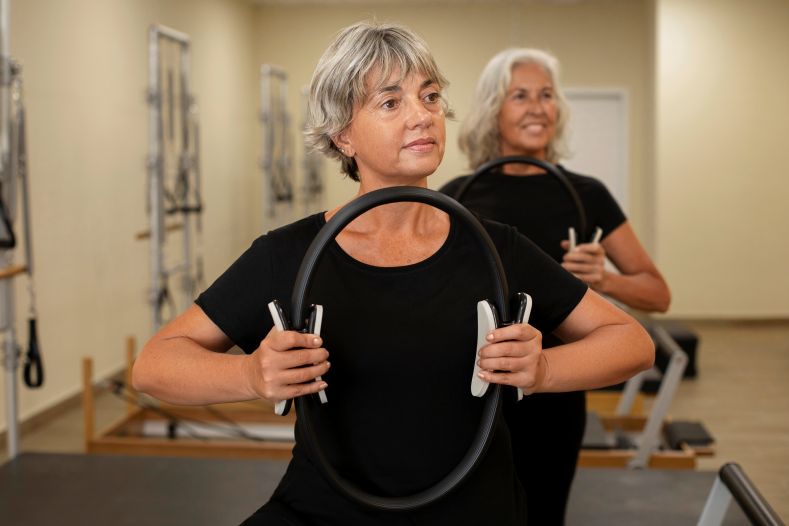
Many women believe that strength training is only for younger people or serious athletes, but that idea is changing. Strength training after 50 is one of the most important things women can do to support healthy aging, maintain independence, and feel stronger in everyday life. As we get older, our bodies naturally change. Muscle mass gradually declines, balance can become more challenging, and activities that once felt easy may require more effort. The good news is that strength training can help slow these changes and support a healthier, more active lifestyle at any age.
You do not need to lift heavy weights or spend hours at the gym to benefit. Simple exercises using body weight, resistance bands, or light weights can make a meaningful difference.
Why Strength Training After 50 is Important
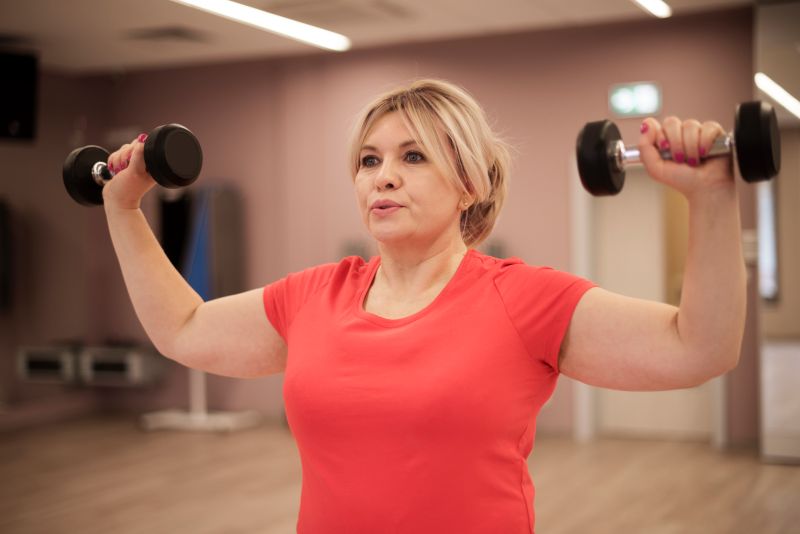
After age 30, adults begin to gradually lose muscle mass, a process that can accelerate as we get older. This loss of muscle can affect strength, balance, mobility, and confidence.
Adding strength training to your routine can help you maintain and rebuild muscle while supporting many areas of your health.
Helps Maintain Muscle and Strength
One of the biggest benefits of strength training after 50 is preserving muscle. Strong muscles make everyday activities easier, from carrying groceries and gardening to climbing stairs and lifting household items.
Maintaining strength also helps you stay independent and continue doing the activities you enjoy.
Supports Bone Health
Women are at an increased risk of bone loss as they age, especially after menopause. Strength training places healthy stress on bones, which can encourage them to remain stronger.
Combined with adequate calcium, vitamin D, and a balanced diet, resistance exercises can be an important part of supporting bone health.
Improves Balance and Reduces Fall Risk
Falls become a greater concern as we age. Stronger muscles, improved coordination, and better balance can help reduce the risk of falls and injuries.
Exercises that strengthen your legs, hips, and core can be especially helpful for stability and confidence.
Supports a Healthy Metabolism
Muscle tissue uses more energy than fat tissue, which means maintaining muscle can support a healthier metabolism.
While strength training is not about quick weight loss, it can support body composition changes when combined with healthy eating habits and regular movement.
For women who are focusing on sustainable lifestyle changes, strength training works well alongside healthy habits rather than restrictive diets.
Improves Confidence and Mental Well-Being
Exercise is not only beneficial for your body. Strength training can also improve mood, reduce stress, and create a sense of accomplishment.
Many women find that becoming stronger physically helps them feel more confident in other areas of life.
Getting Started With Strength Training After 50
If you are new to strength training, start slowly and focus on learning proper form.
You do not need expensive equipment to begin. Many effective exercises can be done at home using your own body weight.
Beginner-friendly options include:
- Chair squats
- Wall push-ups
- Step-ups
- Standing leg lifts
- Resistance band exercises
- Light dumbbell exercises
- Core strengthening exercises
Start with two or three sessions per week, allowing your muscles time to recover between workouts.
A Simple Beginner Strength Routine
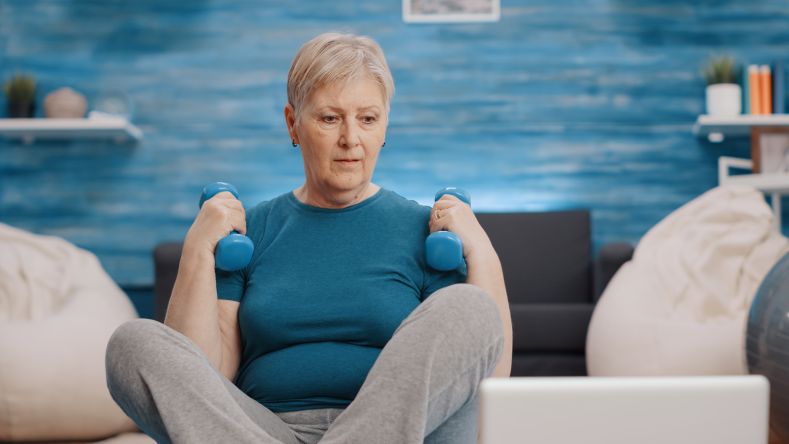
Here is an example of a beginner-friendly routine:
Chair Squats
Strengthen your legs and improve your ability to get up and down easily.
Try: 10 repetitions
Wall Push-Ups
Build upper body strength while being gentler on your joints.
Try: 10 repetitions
Standing Leg Raises
Support hip strength and balance.
Try: 10 repetitions per side
Resistance Band Rows
Strengthen your back and improve posture.
Try: 10 repetitions
Gentle Stretching
Finish your workout with stretching to support flexibility and mobility.
How Often Should Women Over 50 Strength Train?
Many experts recommend strength training at least two days per week. However, beginners should focus on consistency rather than intensity.
A short workout you enjoy and can repeat regularly is better than an intense program that feels overwhelming.
You can also include strength-building activities throughout your day:
- Gardening
- Carrying groceries
- Walking hills
- Taking the stairs
- Playing active games with grandchildren
- Moving your body regularly all adds up.
Strength Training and Healthy Eating After 50
Exercise and nutrition work together. Getting enough protein becomes especially important when you are working to build strength and maintain muscle after 50. Learn more about simple ways to increase your intake in our guide: How to Eat More Protein: 6 Easy Ways to Increase Your Daily Intake.
For other realistic nutrition tips, read our article Healthy Eating After 50: I Stopped Dieting at 57, which explores a balanced approach to food without restrictive dieting.
Strength Training as Part of a 30-Day Habit Challenge
Building new habits takes time, and strength training is a great example of a small change that can create long-term benefits.
Adding two strength workouts each week can become part of a larger wellness routine.
If you are starting a lifestyle reset, our 30-Day Habit Challenge: Small Changes That Can Transform Your Life can help you create realistic daily habits that support your health and well-being.
Common Mistakes to Avoid
When beginning strength training after 50, avoid trying to do too much too soon.
Common mistakes include:
- Lifting weights that are too heavy
- Skipping warm-ups
- Ignoring proper form
- Training through pain
- Comparing your progress to someone else’s
Remember, the goal is not to compete. The goal is to become stronger, healthier, and more confident.
When to Talk to Your Healthcare Provider
Before starting a new exercise program, especially if you have health concerns, injuries, or chronic conditions, it is a good idea to speak with your healthcare provider.
A professional can help you choose activities that are safe and appropriate for your individual needs.
Final Thoughts
Strength training after 50 is not about looking a certain way or becoming a bodybuilder. It is about staying strong enough to enjoy your life, maintain independence, and continue doing the things you love.
Building muscle takes time, but every workout is an investment in your future health.
Whether you start with resistance bands, light weights, or simple body-weight exercises, the most important step is beginning.
A stronger you can start today.
Disclaimer: The information provided in this article is for educational and informational purposes only and is not intended to replace professional medical or fitness advice. Before starting a new exercise program, especially if you have existing health conditions, injuries, or concerns about your fitness level, consult your healthcare provider or a qualified fitness professional. Always listen to your body, use proper form, and stop any exercise that causes pain or discomfort.