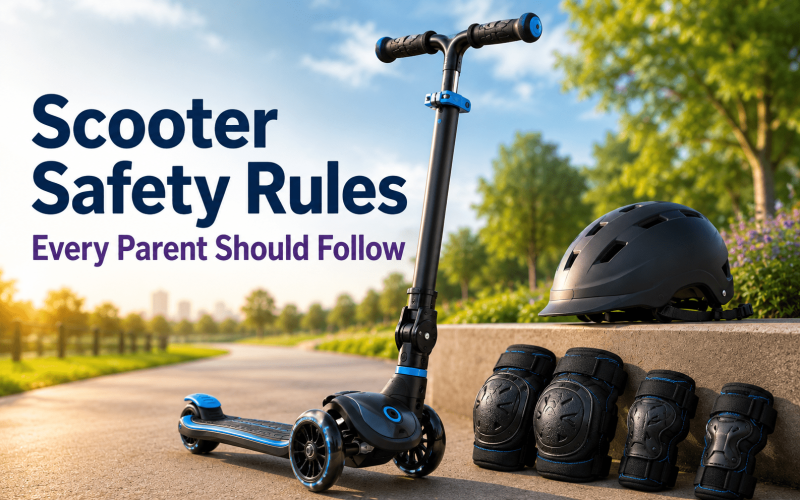
Scooter Safety Rules Every Parent Should Follow
8 min read
1554 words
Here is a comprehensive parental safety guide for kids scooters, designed to prevent accidents and build confidence.
1. Introduction: Why Scooter Safety Matters
Scooters have exploded in popularity among kids and teens. They are fun, eco-friendly, and a great way to encourage physical activity. However, with this rise in popularity comes a statistical rise in scooter-related injuries, particularly during the active spring and summer seasons.
While the thrill of speed is enticing, safety must be the foundation. Establishing kids scooter safety rules early ensures that riding remains a fun hobby rather than a trip to the emergency room. This begins with choosing the right equipment, such as the Globber scooter, which offers stability and durability that cheaper, generic models often lack.
2. Choosing the Right Scooter
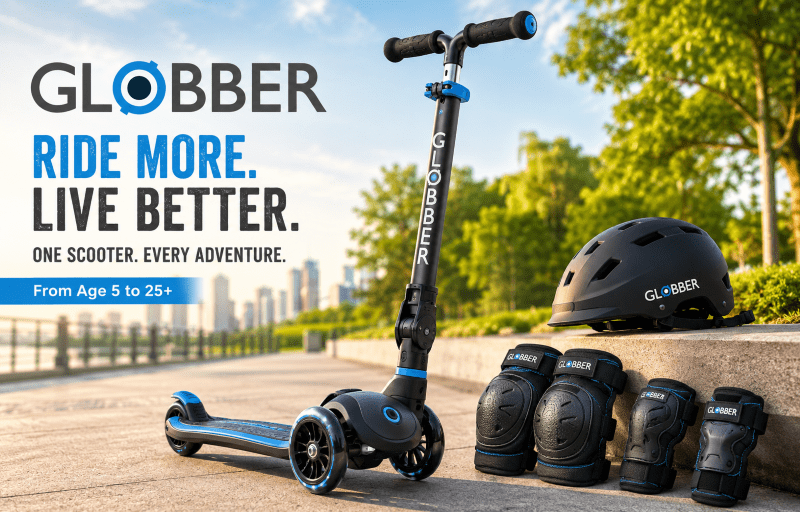
Before discussing riding techniques, we must start with the equipment. Selecting the right scooter is the first step in accident prevention for children outdoors.
Age and Size Appropriateness: Scooters are not one-size-fits-all. An oversized scooter is difficult to control and increases the risk of tipping. Ensure the handlebar height allows your child to stand comfortably with a slight bend in their elbows and knees.
Stability and Weight Capacity: Check the manufacturer’s weight limit. Overloading a scooter can compromise its structural integrity and braking efficiency.
Brand Quality: This is why we stick to trusted brands like Globber. High-quality scooters feature superior steering mechanisms, durable decks, and reliable brakes. Always check for safety certifications and build quality before purchasing.
3. Helmet Safety is Non-Negotiable
If there is one rule that overrides all others, it is helmet use. Head injuries are the most serious risk associated with scooter riding, and they can happen in an instant.
Proper Fit: A helmet should sit level on the head (not tilted back) and form a “V” shape around the ears. The strap should be snug enough that only one finger fits under the chin strap.
Consistency is Key: Helmet use should never be optional, regardless of the length of the ride. A “quick trip down the street” is often when accidents occur.
Certification: Look for helmets meeting CPSC (Consumer Product Safety Commission) or ASTM standards. These are tested specifically for impact protection.
4. Essential Protective Gear for Kids
While the helmet protects the head, other gear protects the body. Kids protective gear for scooters significantly reduces the severity of scrapes, bruises, and fractures.
Knee and Elbow Pads: These are vital for beginners who are still mastering balance. When a child falls, the natural instinct is to extend arms and knees, making these the most common impact points.
Wrist Guards: Wrist fractures are common in falls. A sturdy wrist guard can prevent a break that might otherwise sideline a child for weeks.
Routine Use: Teach kids that gear is not just for long trips it’s for every ride. Making gear a habit removes the negotiation of “do I have to wear them today?”
5. Safe Riding Areas and Environment Rules
Where your child rides is just as important as how they ride. How to keep kids safe on scooters involves choosing the right terrain.
Avoid Traffic: Never allow children to ride in traffic heavy roads. Scooters are low to the ground and harder for drivers to see than bicycles.
Ideal Locations: Stick to sidewalks (where permitted), designated bike paths, and parks with smooth pavement.
Terrain Hazards: Teach children to scan for uneven pavement, loose gravel, cracks, and wet surfaces. Wet leaves and metal grates can be as slippery as ice.
Visibility: Avoid riding at night or during low-light conditions. If riding at dusk is unavoidable, ensure the scooter has reflectors and the child wears bright, reflective clothing.
6. Scooter Maintenance and Safety Checks
A well-maintained scooter is a safe scooter. Incorporating a quick check into your routine is a vital part of your parental safety guide for kids scooters.
Pre-Ride Inspection: Before heading out, check the brakes to ensure they engage smoothly. Spin the wheels to make sure they rotate freely without wobbling.
Handlebars and Tightness: Ensure all folding mechanisms are locked and handlebars are tight and secure.
Tire Care: Check tires for wear and proper inflation. Worn tires can lose traction, increasing the risk of skidding.
7. Traffic Awareness and Road Safety Basics
Even if you stick to sidewalks, children need basic traffic awareness training. This is a critical part of how to teach kids scooter safety.
The “Stop, Look, and Listen” Rule: Teach children to slow down and look both ways before crossing driveways or streets.
Pedestrian Awareness: Scooters are quiet. Be mindful of pedestrians on sidewalks. Teach kids to slow down and announce their presence when passing.
No Distractions: Establish a strict “no phones, no headphones” rule. Kids need all their senses alert to react to cars, cyclists, or sudden obstacles.
8. Speed Control and Risk Awareness
Speed is exciting, but it reduces reaction time. Safe scooter riding rules for children must include speed limits.
Beginner Speed: New riders should keep a walking pace.
Downhill Dangers: Never allow children to ride down steep hills. Gravity accelerates scooters quickly, and braking power may not be sufficient to stop in time.
Crowded Areas: Teach kids to slow down significantly in areas with high foot traffic, such as parks or school zones.
9. Weather and Visibility Safety
Weather conditions dramatically affect traction and control.
Avoid Slippery Conditions: If it has rained recently, wait for surfaces to dry. Wet pavement drastically reduces tire grip and braking efficiency.
Dress for Visibility: Bright clothing makes children more visible to drivers. If the scooter has built-in lights or reflectors, ensure they are clean and functional.
10. Parent Supervision Guidelines
Supervision levels should evolve with your child’s skill set.
Young Children: For beginners, direct supervision is required. Stay within arm’s reach.
Setting Boundaries: Define clear physical boundaries for where your child can ride (e.g., “stay within this park” or “do not go past the neighbor’s driveway”).
Gradual Independence: As your child demonstrates competence in following kids scooter safety rules, you can gradually increase their independence, allowing them to ride further ahead while remaining in your line of sight.
11. Common Scooter Safety Mistakes Parents Make
Even well-meaning parents can make errors that increase risk. Here are common pitfalls to avoid:
Skipping Helmets for Short Rides: As mentioned, most accidents happen close to home.
Buying Oversized Scooters: Buying a scooter “to grow into” is dangerous. It impairs control and braking.
Unsafe Riding Zones: Allowing riding in parking lots or near moving vehicles.
Neglecting Maintenance: Failing to check brakes and wheels regularly.
12. Teaching Kids Responsibility and Safety Habits
Safety rules should not feel like a punishment they should be part of the routine.
Supervised Practice: Set aside time to practice skills in a safe, open area. Work on turning, stopping, and balancing.
Reward Safe Behavior: Praise your child when you see them following the rules without being asked.
Pre-Ride Checks: Involve your child in the safety check. Ask them to squeeze the brakes and check the wheels. This teaches them ownership of their equipment.
13. Final Thoughts: Safe Riding Builds Confidence
Scooter safety is not a one-time lesson it is a long-term habit. When children know they are protected with the right gear and know how to navigate their environment safely, their confidence soars.
Combining quality equipment like a Globber scooter with consistent scooter safety rules for parents creates the best environment for fun. By staying consistent and involved, you are not just preventing injuries; you are giving your child the freedom to enjoy the outdoors safely.
As we embrace the warmer months and the freedom of outdoor play, a little bit of preparation goes a long way in ensuring your family’s summer stays full of fun and free from accidents. Safety doesn’t have to be a buzzkill—it’s simply the foundation that allows your kids to explore with confidence.
To help you stay ahead of potential risks, we’ve gathered these essential deep-dives for every parent’s toolkit:
- Summer Child Safety: Essential Tips to Prevent Injuries – Your comprehensive checklist for heat, hydration, and outdoor play.
- Pool Safety Rules for Children Every Parent Must Know – Life-saving strategies for the backyard, community center, or beach.
- A Guide to Apartment Building Parking Lot Dangers – Navigating the unique risks of high-traffic residential areas and shared spaces.
Keep these guides handy, stay vigilant, and most importantly, enjoy the sunshine!
Disclaimer: This article is for informational purposes only and does not constitute professional medical or safety advice. Always follow manufacturer guidelines and local laws regarding scooter use.