
Summer Child Safety: Essential Tips to Prevent Injuries
7 min read
1385 words
1. Most Common Summer Injuries in Children
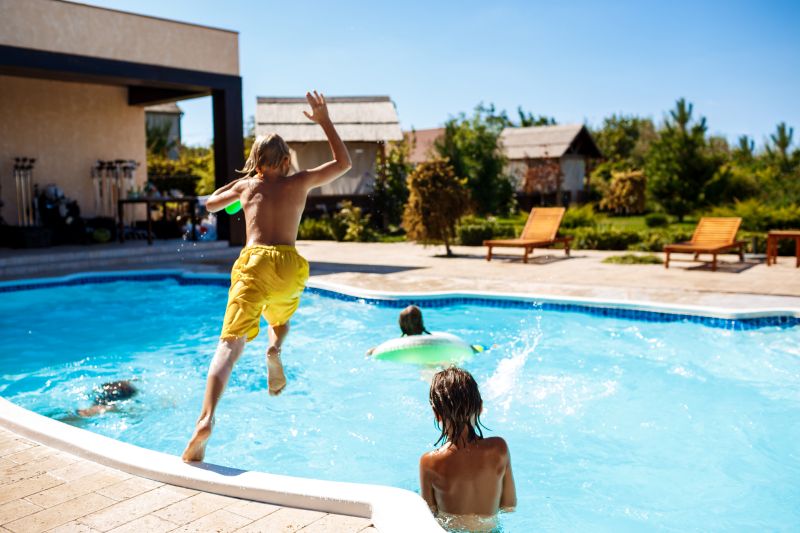
Understanding the risks is the first step in prevention. During the summer months, emergency rooms see a significant rise in specific types of pediatric injuries:
Falls and Impact Injuries: Biking, scootering, and skateboarding accidents are common, often resulting in scrapes, fractures, or head injuries.
Water-Related Accidents: Drowning is a leading cause of unintentional injury death in children. Near-drowning incidents can also cause long-term health issues.
Heat Exhaustion and Dehydration: Children overheat faster than adults, making them susceptible to heatstroke and dehydration during active play.
Sunburn: Severe sunburns in childhood significantly increase the risk of skin cancer later in life.
Bug Bites and Allergies: Summer is peak season for ticks, mosquitoes, and stinging insects, which can cause reactions ranging from mild itching to severe allergic responses.
2. Playground Safety Tips for Summer
Playgrounds are a summer staple, but they can be hazardous if not approached with caution.
Inspect Equipment: Before play begins, check surfaces. Metal slides and swing sets can reach temperatures high enough to cause second-degree burns in direct sunlight.
Ground Surface Matters: Ensure play areas have shock-absorbing materials like mulch or rubber mats beneath equipment, rather than concrete or dirt.
Supervision is Key: Active supervision is non-negotiable. Stay within arm’s reach of toddlers and keep an eye on older children to prevent risky behavior.
Age-Appropriate Zones: Stick to equipment designed for your child’s age group to prevent falls from structures that are too tall or complex.
3. Bike, Scooter, and Skateboard Safety

Wheels come out in full force during summer break. Protect your child with these essential gear tips:
Helmet Use: A properly fitted helmet is the single most effective way to prevent head injuries. Ensure it sits level on the head and straps are snug under the chin.
Protective Gear: Wrist guards, knee pads, and elbow pads are crucial for scooters and skateboards, where falls often result in broken bones or road rash.
Safe Riding Areas: Encourage riding on smooth, paved paths away from traffic. Avoid riding at dusk or dawn when visibility is low.
Equipment Checks: Regularly check tire pressure, brakes, and handlebars to ensure mechanical failure doesn’t cause an accident.
4. Water Safety: Pools, Lakes, and Beaches
Water safety requires constant vigilance. Drowning is silent and fast—it rarely looks like the dramatic splashing seen in movies.
Constant Supervision: Designate a “water watcher” whose sole responsibility is watching the children in the water. Avoid distractions like phones or books.
Swim Lessons: Enroll children in age-appropriate swim lessons. While lessons do not make a child “drown-proof,” they significantly reduce risk.
Life Jackets: Use U.S. Coast Guard-approved life jackets for non-swimmers and inexperienced swimmers, especially in open water like lakes and oceans. Floaties and pool noodles are toys, not safety devices.
Recognize Risks: Teach children to stay away from pool drains and to never swim alone.
5. Heat-Related Illness Prevention
High temperatures can be dangerous for active children. Prevention starts with awareness.
Hydration Schedule: Encourage drinking water before, during, and after outdoor play. Don’t wait for thirst to set in. For prolonged activity, electrolyte drinks may be necessary, but water should be the primary source.
Recognize Symptoms: Watch for signs of heat exhaustion, including heavy sweating, pale skin, dizziness, nausea, and rapid pulse. Move the child to a cool place immediately if these occur.
Cooling Strategies: Utilize cooling towels, misting fans, and frequent breaks in the shade.
Timing Outdoor Play: Schedule vigorous activities for the early morning or late evening when temperatures are lower and UV rays are less intense.
6. Sun Protection Essentials
Protecting your child’s skin is a year-round job, but it’s critical during summer.
Choose the Right SPF: Use a broad-spectrum sunscreen with at least SPF 30. For sensitive skin, mineral-based sunscreens (zinc oxide or titanium dioxide) are often recommended.
Protective Clothing: Lightweight, long-sleeved UPF clothing offers excellent protection. Don’t forget sunglasses with UV protection for their eyes.
Hats and Shade: Wide-brimmed hats protect the face, ears, and neck. Seek shade during peak sun hours (10 a.m. to 4 p.m.).
Reapplication: Sunscreen should be reapplied every two hours, or more frequently if swimming or sweating heavily.
7. Home Safety During Summer Break
With kids home more often, household hazards increase.
Kitchen Awareness: Teach children to stay away from hot stoves and ovens. Keep sharp knives and heavy appliances out of reach.
Electrical Safety: Inspect outdoor cords for fraying before use with pool pumps or holiday lights. Teach kids not to play with outlets.
Window and Balcony Precautions: Install window guards or stops to prevent falls from open windows, especially on upper floors. Never rely on window screens to support weight.
Poison Prevention: Store lawn chemicals, pesticides, and grilling fluids in locked cabinets, out of sight and reach.
8. Travel Safety for Kids

Summer is prime time for family vacations, which introduces new environments and risks.
Car Seat Safety: Ensure car seats are correctly installed and appropriate for your child’s age, weight, and height. Check local laws for specific requirements.
Road Trip Precautions: Plan for frequent stops to allow children to stretch and use the restroom. Never leave a child unattended in a vehicle, not even for a minute.
Emergency Kits: Pack a comprehensive first aid kit, along with necessary medications, for travel.
Hotel and Airbnb Checks: Upon arrival, inspect your accommodation for hazards like unlocked balconies, exposed wires, or unlocked pools.
9. First Aid Basics Every Parent Should Know
Minor injuries are inevitable. Being prepared can make a big difference.
Treating Minor Wounds: Clean cuts with mild soap and water, apply antibiotic ointment, and cover with a sterile bandage.
Burns: For minor burns, cool the area with running water. Do not use ice or butter. Cover loosely with a sterile gauze.
When to Seek Help: Know the signs of serious injury, including head trauma (loss of consciousness, vomiting), deep cuts, or signs of infection.
First Aid Kit List: Your summer kit should include bandages, antiseptic wipes, tweezers, insect sting relief, a digital thermometer, and any personal medications.
10. Teaching Kids Safety Awareness
Empowering children with knowledge is the best long-term safety strategy.
Simple Rules: Create easy-to-remember rules, such as “Never go anywhere without telling an adult” or “Stop, Look, and Listen” before crossing streets or entering water.
Role-Playing: Practice “what if” scenarios. Ask, “What would you do if you saw a friend fall off a bike?” or “What if a stranger approaches you at the park?”
Encourage Responsibility: As children age, give them age-appropriate safety tasks, like checking the smoke detector batteries or ensuring the backyard gate is latched.
11. Common Mistakes Parents Make in Summer
Even vigilant parents can make mistakes. Avoid these common pitfalls:
Overestimating Independence: Just because a child can ride a bike doesn’t mean they can navigate traffic safely. Adjust supervision levels based on the environment, not just age.
Ignoring Hydration: Kids often get absorbed in play and forget to drink water. Schedule mandatory water breaks.
Lack of Supervision in Groups: Group play can lead to a “bystander effect” where everyone assumes someone else is watching. Be specific about who is supervising.
Not Checking Outdoor Environments: Always do a quick sweep of the yard or park for hazards like broken glass, animal waste, or uneven ground before play begins.
Final Thoughts: A Safer Summer Starts with Preparation
Summer should be a time of joy and memory-making, not emergency room visits. By integrating these summer child safety tips into your daily routine, you can prevent the majority of common seasonal injuries.
Preparation is the key to peace of mind. Whether it’s double-checking the sunscreen, fitting a helmet, or watching the pool, these small steps add up to a big layer of protection. Here’s to a safe, happy, and healthy summer for your family!