Situational Awareness for Seniors: Safety Guide
6 min read
1022 words
The world can feel like a different place than it once was, and it’s natural to have concerns about personal safety, whether you’re exploring a new city as a tourist or simply running errands in your own beloved hometown. At Today’s Woman, we believe that knowledge is power, and empowering yourself with practical tools can significantly boost your confidence and security. This article delves into how situational awareness for seniors can be your most effective ally in navigating today’s streets safely.
The Changing Landscape: Why Vigilance Matters More Than Ever
In an increasingly busy and sometimes unpredictable world, stories of crime, theft, and even violence can be unsettling. Our cities, while vibrant, can also present unique challenges. Unfortunately, instances of opportunistic crime are on the rise, and individuals, including seniors, can sometimes be targeted due to perceived vulnerability. This isn’t meant to instill fear, but rather to acknowledge reality and equip you with the best strategies for protection.
One particular concern that has become more prevalent in many urban centers is interacting with individuals experiencing homelessness. While many are simply seeking help, there can be instances of aggressive panhandling or unpredictable behavior that can make anyone feel uneasy or threatened. Understanding how to react or, more importantly, how to avoid such situations is a critical component of personal safety. Whether you’re sightseeing, heading to the grocery store, or enjoying a local festival, recognizing potential risks and having a plan is key to staying safe.
What is Situational Awareness for Seniors?
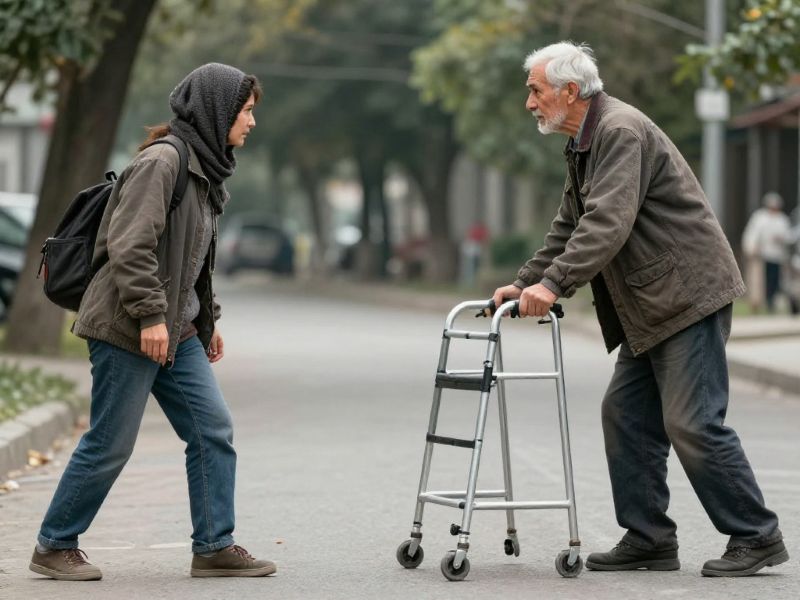
At its core, situational awareness for seniors is about being present, alert, and understanding your surroundings at all times. It’s not about being paranoid, but rather about being observant and proactive. Think of it as having your “radar” on noticing people, activities, and potential exits, and trusting your instincts. When you’re situationally aware, you’re less likely to be surprised and more likely to detect a potential threat before it escalates. This ability to assess and react to your environment quickly is a powerful deterrent to those who might seek to do harm.
Essential Tools and Tips for Enhanced Situational Awareness
Here are some practical strategies to integrate into your daily routine, whether you’re stepping out for a walk or embarking on an adventure:
Be Present, Not Distracted
- Head Up, Eyes Active: Avoid looking down at your phone, rummaging through your purse, or getting lost in thought. Keep your head up, look around, and make eye contact with people occasionally to signal awareness.
- Limit Distractions: If you enjoy listening to music or podcasts, consider using only one earbud or keeping the volume low so you can still hear your environment. Avoid hands-free phone conversations that consume your attention.
Observe Your Environment
- Scan Ahead and Behind: Periodically glance over your shoulder and scan the area ahead of you. Notice who’s around, how they’re behaving, and if anyone seems to be paying undue attention to you.
- Identify Exits and Safe Havens: When entering a new place, quickly note where the exits are. If you feel unsafe, identify nearby shops, cafes, or public places where you could quickly seek help or refuge.
- Trust Your Gut: Your instincts are a powerful safety tool. If a person or situation “feels off,” don’t dismiss that feeling. It’s better to be overly cautious than to ignore a potential warning sign.
Smart Habits for Personal Security
- Walk with Purpose: Walking with a confident stride and projecting an aura of awareness makes you a less appealing target.
- Avoid Isolated Areas: Stick to well lit, populated streets, especially at night or in unfamiliar areas.
- Vary Your Routine: If possible, change the times or routes you take for regular activities like walking or shopping. Predictability can make you a target.
- Travel with a Companion: There’s safety in numbers. If possible, walk or shop with a friend or family member.
Protecting Your Valuables
- Minimize Displays: Avoid openly displaying expensive jewelry, wads of cash, or high end electronics. If you have a wallet, keep it in a front pocket, and carry purses close to your body, preferably with a cross body strap.
- Secure Bags: Zippers and clasps should always be closed. Consider anti theft bags with slash resistant straps and lockable zippers.
Leverage Technology Wisely
- Emergency Contacts: Keep important phone numbers easily accessible on your phone, perhaps even programmed for quick dial.
- Location Sharing: Consider sharing your live location with a trusted family member or friend when you’re out and about.
- Personal Safety Apps and Devices: Many smartphones have emergency SOS features. There are also discreet personal alarms that emit a loud siren to attract attention and deter attackers.
Navigating Public Spaces and Difficult Interactions
When it comes to encounters that make you feel uncomfortable, especially with aggressive individuals, remember your primary goal is to de escalate and avoid confrontation:
- Maintain Distance: Try to keep a safe buffer zone between yourself and anyone acting erratically or aggressively.
- Polite, Firm Disengagement: If approached for money, a simple, firm “No, thank you” or “Sorry, I can’t help you” while continuing to move is often sufficient. Avoid engaging in conversation or making excuses.
- Avoid Eye Contact in Some Cases: While direct eye contact can signal confidence, prolonged or challenging eye contact with an agitated individual can sometimes be perceived as confrontational. Assess the situation quickly.
- Seek Assistance: If you feel genuinely threatened, head immediately into a nearby store, ask for help from security personnel, or call for assistance.
Empowering Yourself Through Preparation
The goal of developing strong situational awareness for seniors isn’t to live in fear, but to live with confidence and preparedness. By understanding the environment, being mindful of your actions, and having a plan, you significantly reduce your risk of becoming a victim.
Consider carrying a personal safety alarm, which can be easily activated to draw attention in an emergency. A sturdy walking stick, if you use one, can also serve as a deterrent. Most importantly, practice these tips regularly until they become second nature. Your personal safety is paramount, and by embracing these strategies, you’re taking active steps to protect yourself and maintain your independence.
Stay safe, stay smart, and enjoy your world with newfound confidence!