Invisalign vs. Damon Braces: Which is Right for Your Smile?
4 min read
701 words
Considering orthodontic treatment to achieve a straighter, healthier smile is a fantastic decision! As you embark on this journey, you’ll likely encounter various options, and two of the most popular contenders are Invisalign and Damon braces. While both aim for the same end goal – a perfectly aligned bite – they achieve it through distinctly different methods. Let’s dive into a comparison to help you understand which might be the ideal choice for your smile makeover.
The Invisible Revolution: Understanding Invisalign
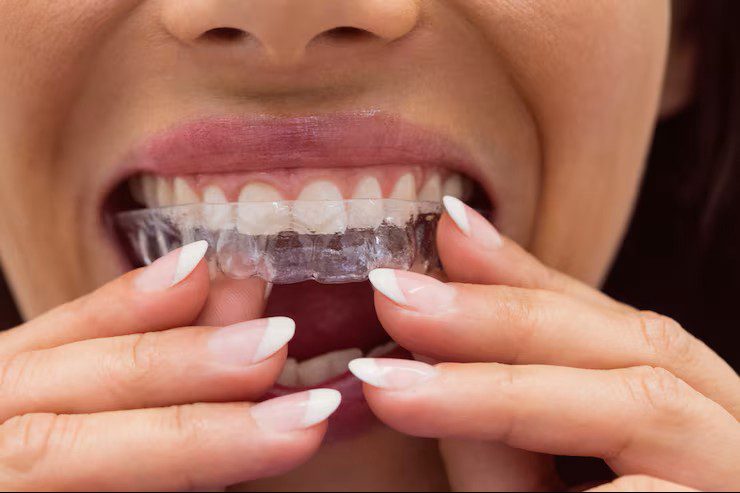
Invisalign has revolutionized orthodontics with its discreet approach. Instead of traditional metal brackets and wires, Invisalign utilizes a series of custom-made, clear plastic aligners. These aligners are virtually invisible, making them a highly attractive option for adults and teens who are self-conscious about wearing braces.
How it works: You’ll wear each set of aligners for about one to two weeks, gradually shifting your teeth into their desired positions. The aligners are removable, which offers significant flexibility. You can take them out to eat, drink, brush, and floss – a huge advantage for maintaining oral hygiene and enjoying your favorite foods without restriction.
The Pros of Invisalign:
- Aesthetics: Their near-invisibility is the most significant benefit, allowing for a more confident smile throughout treatment.
- Comfort: The smooth plastic is generally more comfortable than metal brackets, reducing irritation to your cheeks and gums.
- Convenience: Removability makes eating, drinking, and cleaning your teeth hassle-free.
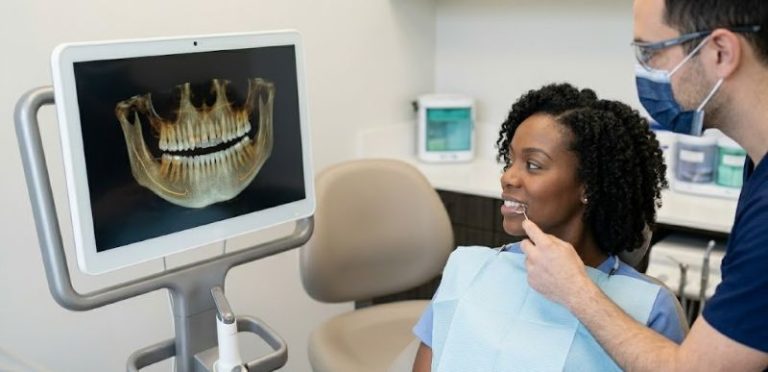
- Predictability: Advanced 3D imaging allows for a clear visualization of your treatment progress and final results before you even start.
The Cons of Invisalign:
- Discipline Required: Success hinges on consistent wear (20-22 hours a day). Forgetting to wear them can delay progress.
- Not Ideal for Complex Cases: While Invisalign is increasingly capable of treating complex orthodontic issues, very severe misalignments might still be better suited for traditional braces.
- Potential for Lost Aligners: Losing an aligner can disrupt the treatment schedule.
The Self-Ligating System: Exploring Damon Braces
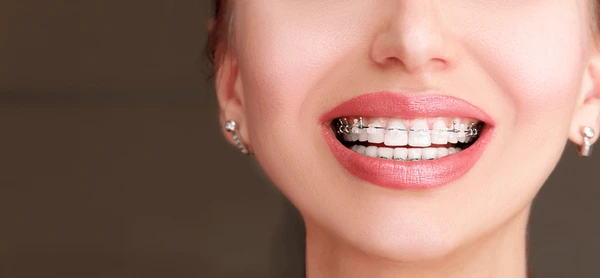
Damon braces are a modern evolution of traditional metal braces. They also use brackets and wires, but with a key difference: self-ligating technology. Instead of elastic bands or metal ties to hold the wire in place, Damon braces feature a built-in clip that secures the wire.
How it works: This innovative design allows the arch wire to move more freely, which can lead to faster and more comfortable tooth movement. Damon braces are generally less bulky than traditional braces and come in both metal and ceramic (tooth-colored) options to improve aesthetics.
The Pros of Damon Braces:
- Efficiency: The self-ligating system can often lead to shorter treatment times compared to traditional braces.
- Fewer Adjustments: The unique mechanism may require fewer orthodontic visits for adjustments.
- Comfort: While still noticeable, they are often designed for greater comfort and less friction than older brace styles.
- Effective for Complex Cases: Damon braces are highly effective for treating a wide range of orthodontic problems, including severe crowding and bite issues.
The Cons of Damon Braces:
- Visibility: Even the tooth-colored ceramic options are more visible than Invisalign aligners.
- Dietary Restrictions: Like traditional braces, you’ll need to be mindful of certain foods that can damage the brackets or wires.
- Oral Hygiene: Cleaning around brackets and wires requires a bit more effort and specialized tools.
Making Your Choice: Invisalign vs. Damon Braces
The best choice for you depends on several factors, including:
- Your orthodontic needs: The complexity of your bite and alignment issues will be a primary consideration.
- Your lifestyle and priorities: How important is discretion during treatment? How disciplined can you be with daily wear?
- Your budget: Costs can vary between the two systems.
- Your orthodontist’s recommendation: Your dentist or orthodontist is your best resource for evaluating your specific situation and recommending the most suitable treatment plan.
In Conclusion:
Both Invisalign and Damon braces are excellent orthodontic solutions that can deliver stunning results. Invisalign offers unparalleled discretion and convenience for those who prioritize aesthetics. Damon braces, with their advanced self-ligating technology, provide an efficient and effective treatment, often with reduced discomfort and shorter treatment times.
The most important step is to schedule a consultation with an experienced orthodontist. They will conduct a thorough examination, discuss your goals, and help you navigate the pros and cons to make an informed decision for your beautiful new smile.