

Comfortable Winter Walking Shoes: What to Look For
4 min read
776 words
The call of the winter trail is hard to resist. Fresh air, frosted trees, and peaceful walks outdoors can make winter a wonderful time to stay active. However, slippery sidewalks, wet snow, and freezing temperatures can make finding comfortable, dependable footwear a challenge. If you enjoy walking through the colder months, the right footwear can make a difference in your comfort and confidence.
If you’re shopping for footwear this winter, you may also enjoy my guide to how to choose winter walking shoes for snow, slush and ice, where I explore traction, waterproofing, fit and comfort when choosing shoes for Canadian winter conditions.
In this updated look at the WindRiver Quad Comfort Low Cut Hikers, originally featured on Today’s Woman, we revisit the features that matter when choosing winter walking shoes and explore alternatives from familiar outdoor footwear brands.
WindRiver Quad Comfort Low Cut Hikers: A Look Back
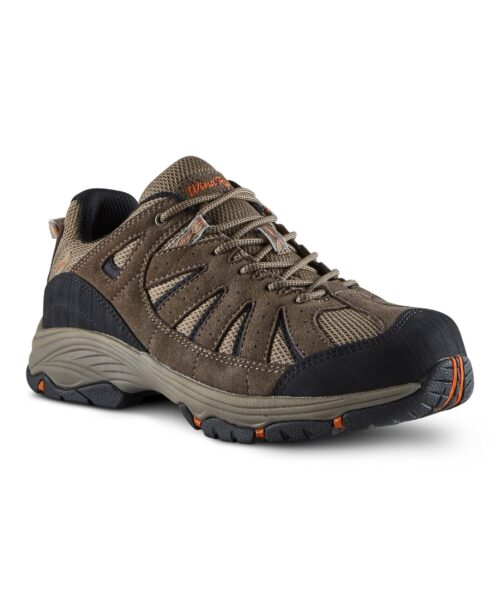
The WindRiver Quad Comfort Low Cut Hikers were featured for their combination of cushioning, a lightweight design, and waterproof protection. Their low-cut style offered an alternative to bulkier winter boots, making them appealing for everyday wear and casual outdoor activities.
Although this particular model is no longer available, the features highlighted in the original article remain worth considering when shopping for walking footwear today.
What to Look for in Comfortable Winter Walking Shoes
Cushioning and Everyday Comfort
Comfort is important whether you’re taking a short walk around the neighbourhood, running errands, or spending time outdoors. Look for footwear with supportive cushioning, a comfortable fit, and enough room for your toes to move naturally.
A shoe that feels comfortable in the store may feel different after several hours of walking, so consider how it fits around your heel, arch, and forefoot.
Waterproof Protection
Winter weather can bring rain, slush, and melting snow. Waterproof footwear can help keep your feet dry, but protection varies by model and construction.
Look for clearly stated waterproofing features, and remember that low-cut shoes may allow snow or water to enter over the top. For deeper snow or very cold conditions, an insulated winter boot may be a better choice.
Traction for Winter Conditions
A dependable outsole is important when walking on wet pavement, packed snow, and uneven trails. Look for tread designed for the conditions in which you expect to walk.
However, ordinary hiking shoes are not necessarily suitable for ice. Even footwear with an aggressive tread can slip on smooth, frozen surfaces. For icy sidewalks, consider footwear specifically designed for winter traction or compatible traction aids.
Lightweight Design
Heavy footwear can feel tiring during everyday activities. Low-cut hiking shoes may offer greater freedom of movement than taller boots, although they generally provide less ankle coverage and protection from deep snow.
Consider where you will be walking, how cold it will be, and whether you need insulation before choosing a lightweight shoe over a winter boot.
Brands to Explore for Alternatives
If you liked the idea of the WindRiver Quad Comfort Low Cut Hikers, several established outdoor footwear brands are worth exploring. Their available styles and features vary, so check individual product specifications before purchasing.
- WindRiver: Check Mark’s for current WindRiver footwear options.
- Merrell: Offers hiking footwear in a range of styles, including models designed for wet conditions.
- KEEN: Worth exploring for outdoor walking shoes and hiking footwear with different fit and protection features.
- Columbia: Offers outdoor footwear options for a range of weather conditions.
- Sorel: Known for winter footwear, including boots suited to colder conditions.
These brands are not necessarily direct replacements for the discontinued WindRiver model. Compare waterproofing, cushioning, insulation, fit, and traction rather than relying on the brand name alone.
Choosing Footwear for Your Winter Walks
Before buying a new pair of winter walking shoes, think about where you spend most of your time outdoors. Paved neighbourhood sidewalks, muddy trails, and snow-covered paths can require different features.
Try shoes on with the socks you expect to wear, check that your heel feels secure, and make sure your toes have enough room. If you walk regularly on ice, prioritize winter traction rather than assuming a waterproof hiking shoe will prevent slips.
The original WindRiver Quad Comfort Low Cut Hikers may no longer be available, but the search for comfortable footwear that supports an active winter lifestyle continues. With careful attention to fit, weather protection, and traction, you can find an option that better suits your own walking needs.
Where to Shop: Visit Mark’s to explore its current WindRiver footwear selection.
This article was originally published on Today’s Woman in 2012 and updated October 18, 2026, to reflect the discontinued status of the original footwear and provide updated winter walking shoe advice.