Auditory Memory Learning Aids for Kids & Comprehension
5 min read
909 words
In the symphony of learning, auditory memory is the conductor guiding how children process spoken information, retain instructions, and apply knowledge in real time. It is a foundational cognitive skill that directly influences how students perform in classrooms, follow directions, and understand spoken language.
When auditory memory is strong, learning feels smooth and natural. When it is weak, children may struggle not because of intelligence, but because of challenges in auditory processing the ability to accurately receive, interpret, and store verbal information.
Auditory memory and comprehension skills are essential for academic success, especially in environments where instructions are primarily delivered verbally. The good news is that these skills are not fixed. With structured auditory memory training, children can significantly improve their listening comprehension, recall ability, and working memory capacity.
This guide explores the most effective auditory memory learning aids, including tools, games, classroom strategies, and digital resources designed to strengthen listening and comprehension skills in children of all ages.
Understanding Auditory Memory and Why It Matters in Learning
Auditory memory refers to the brain’s ability to take in spoken information, temporarily store it, and retrieve it when needed. It plays a major role in:
- Following multi-step instructions
- Understanding classroom lectures
- Developing reading comprehension
- Strengthening language development
- Supporting attention and focus in learning environments
Research in educational psychology links weak auditory memory with challenges in reading comprehension, attention regulation, and conditions such as ADHD. However, targeted listening skills training can significantly improve outcomes over time.
1. Audio-Based Learning Tools for Auditory Processing Development
Audio-based learning is one of the most effective ways to strengthen auditory comprehension skills because it directly engages the brain’s listening and retention pathways.
Audiobooks for Listening Comprehension
Audiobooks are powerful tools for improving auditory memory and narrative comprehension. They help children:
- Develop sustained listening attention
- Improve vocabulary acquisition through context
- Understand story structure and sequencing
- Strengthen internal visualization skills
By listening without visual distractions, children rely entirely on auditory input, strengthening long-term memory encoding.
Podcasts for Kids and Learners
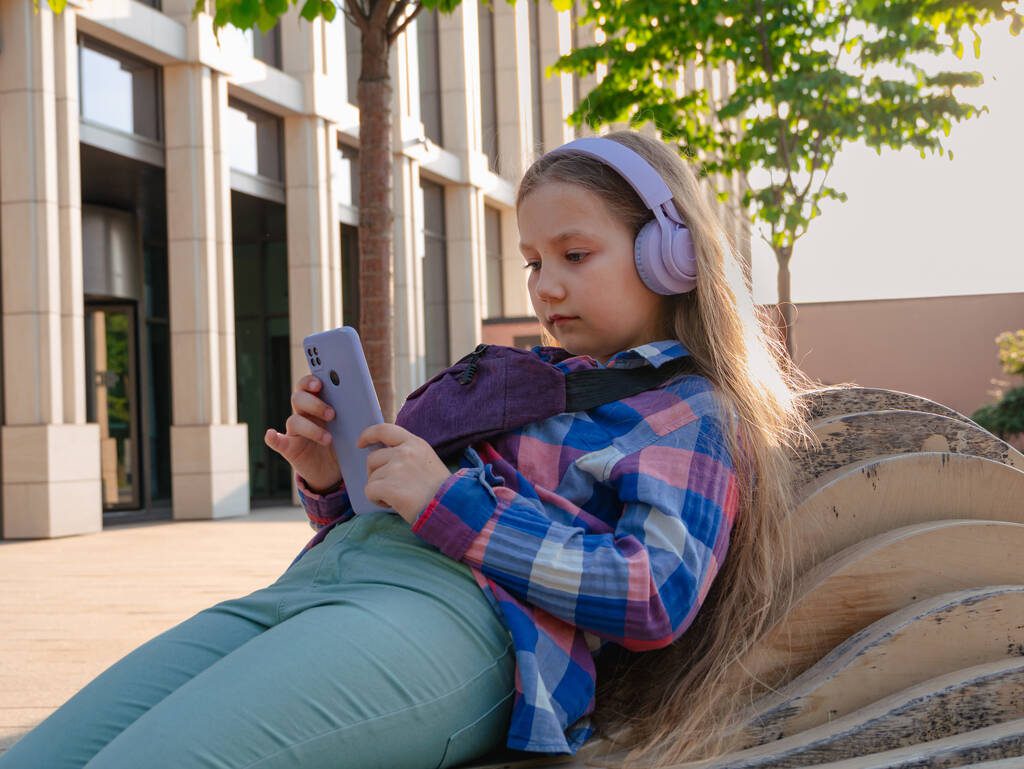
Educational podcasts improve focused listening and cognitive retention. They also build:
- Information recall skills
- Sequential thinking ability
- Listening stamina for longer content
To reinforce auditory memory, educators often use “listen and retell” exercises after each episode.
Text-to-Speech Learning Tools
Text-to-speech (TTS) systems bridge reading and listening comprehension. They help children:
- Connect spoken and written language
- Improve decoding and pronunciation
- Strengthen reading fluency and retention
2. Memory Training Games That Strengthen Auditory Recall
Gamified learning is highly effective for improving auditory working memory because it reduces cognitive stress while increasing engagement.
Listen and Repeat Exercises
This foundational auditory memory activity improves working memory capacity. Example:
“Touch your head, clap twice, and stand up.”
Children must retain and reproduce the sequence accurately, training short-term auditory recall.
Auditory Sequencing Activities
These activities improve the brain’s ability to store ordered information. Children may listen to a short story and then arrange events in the correct sequence using cards or verbal recall.
Memory Chain Games
A social auditory memory game where each participant repeats and adds to a growing list. This strengthens:
- Attention control
- Sequential memory
- Working memory expansion
3. Classroom and Home-Based Listening Comprehension Aids
Structured learning tools help reinforce auditory processing skills in daily routines.
Step-by-Step Instruction Supports
Combining visual and verbal instructions reduces cognitive overload and improves retention of multi-step directions.
Read-Aloud Comprehension Sessions
Interactive read-aloud sessions help children process spoken language more deeply. Educators should ask comprehension questions such as:
- What happened first?
- Why did the character act this way?
- What was the outcome?
Story Retelling Frameworks
Tools like beginning-middle-end organizers help children structure what they hear into meaningful memory patterns.
4. Speech and Listening Skill Development Activities
Dictation Exercises
Dictation strengthens auditory precision, spelling accuracy, and sentence structure comprehension.
Follow-the-Directions Activities
These exercises enhance multi-step auditory processing skills. Example:
“Draw a square, add three stars, and color them blue.”
Oral Questioning Techniques
Asking who, what, where, why, and how questions strengthens deep listening comprehension and critical thinking.
5. Music and Rhythm-Based Auditory Memory Training
Music enhances auditory memory by introducing rhythm, repetition, and pattern recognition.
Repetitive Learning Songs
Songs like alphabet chants help encode information into long-term memory through auditory repetition.
Clapping Rhythm Games
These improve sequencing, timing, and auditory attention control.
6. Digital Apps for Auditory Memory and Cognitive Development
Modern educational apps provide interactive auditory training exercises such as:
- Listening recall challenges
- Language repetition modules
- Interactive storytelling games
- Working memory training exercises
7. Creating the Ideal Environment for Auditory Learning
Environmental factors play a critical role in auditory processing success.
- Reduce background noise distractions
- Use clear, slow instruction delivery
- Repeat key information for reinforcement
8. Core Strategy: Say It, Hear It, Repeat It Method
This structured auditory learning technique strengthens memory encoding through repetition and active participation.
- Teacher gives instruction clearly
- Child repeats instruction aloud
- Child completes the task
Benefits of Auditory Memory and Comprehension Training
- Improved classroom performance and focus
- Stronger reading comprehension skills
- Enhanced ability to follow instructions
- Better vocabulary and language development
- Increased working memory capacity
- Improved auditory processing efficiency
Final Thoughts
Auditory memory and comprehension skills are not fixed abilities—they are trainable cognitive functions that improve with structured practice and repetition.
By integrating auditory learning aids, listening comprehension tools, and working memory training activities into daily routines, parents and educators can significantly enhance a child’s ability to process and retain spoken information.
These improvements go beyond academics. They build confidence, independence, and lifelong learning ability in children who develop strong listening and comprehension skills.