
Brand Loyalty: Why People Stick With Familiar Companies
6 min read
1112 words
Have you ever reached for the same coffee brand every morning, purchased the same skincare products for years, or returned to a favourite hotel even when dozens of other options were available? This is brand loyalty in action.
In a world where consumers are constantly surrounded by advertisements, promotions, and new products competing for attention, many people still return to the companies they know and trust. Familiar brands often provide a sense of comfort and confidence. Customers know what to expect, they remember positive experiences, and they often feel a connection that goes beyond the product itself.
For businesses, building brand loyalty is about much more than making a single sale. Loyal customers can become long-term supporters who continue purchasing, recommend the brand to others, and help a company grow through word-of-mouth.
What Is Brand Loyalty?
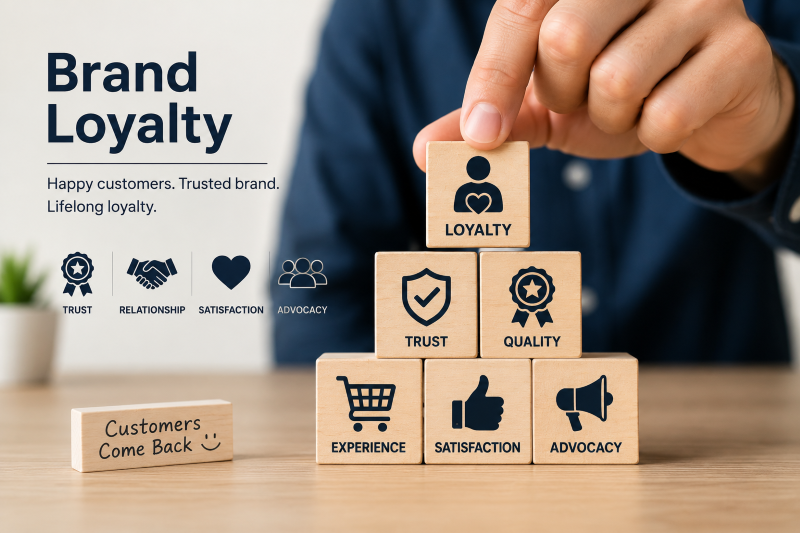
Brand loyalty is the tendency of customers to continue choosing the same company, product, or service because of trust, satisfaction, familiarity, or an emotional connection.
A loyal customer does not simply purchase a product or use a service—they feel confident in their decision. They know the brand, understand the quality or level of service they can expect, and often do not feel the need to search for alternatives.
Brand loyalty can apply to both everyday products and the services people rely on throughout their lives. A positive experience with a company can create a lasting relationship that keeps customers returning.
Common examples of brand loyalty include:
- Purchasing the same grocery brands every week.
- Returning to a favourite local restaurant because of the food, atmosphere, and customer experience.
- Staying with the same phone, internet, or streaming provider for many years.
- Continuing to use trusted clothing, beauty, healthcare, or household brands.
- Choosing the same financial, travel, or professional services because of reliability and trust.
- Recommending favourite companies, products, or services to friends and family.
Why Do People Become Loyal to Brands?

1. Familiarity Creates Trust
People naturally feel comfortable with things they recognize. Seeing a brand repeatedly through advertising, packaging, stores, or online platforms helps create familiarity.
When customers have had a positive experience in the past, choosing that same brand again feels easier. They do not need to spend as much time comparing options or wondering if another product will meet their expectations.
In a busy world where people make countless decisions every day, familiar brands can provide a sense of confidence and simplicity.
2. Positive Experiences Build Customer Loyalty

A good product or service is important, but the overall customer experience often determines whether someone returns.
Companies that provide helpful customer service, easy returns, reliable delivery, and friendly interactions create positive memories that customers remember.
Sometimes one excellent experience can change a person from a first-time buyer into a loyal customer who continues supporting the brand for years.
3. Emotional Connections Influence Buying Decisions
Many purchasing decisions are based on more than price or convenience. People often choose brands that connect with their lifestyle, values, memories, or personal experiences.
A favourite product may remind someone of childhood, family traditions, or important moments in their life. A brand can become part of a person’s routine and identity.
4. The Power of Nostalgia Marketing
Nostalgia is one of the strongest emotional tools businesses use to create brand loyalty. Familiar packaging, classic advertisements, old-fashioned designs, and returning favourite products can bring back memories from the past.
When a company connects a product with positive memories, customers often feel a stronger emotional attachment.
Learn more about how companies use memories to connect with customers in our guide: Nostalgia Marketing: Why Memories Sell.
5. Consistency and Convenience Keep Customers Coming Back
Customers appreciate knowing what they can expect. Consistent quality, familiar service, and easy shopping experiences all encourage repeat purchases.
Convenience also plays a major role in loyalty. Saved payment information, rewards points, subscription services, and easy-to-use apps can make staying with a brand feel like the simplest choice.
Brand Loyalty and Advertising: Why It Matters to Companies
Brand loyalty is extremely valuable from an advertising perspective because loyal customers are more likely to pay attention to a company’s message and respond positively to promotions.
Businesses often spend significant amounts of money trying to attract new customers, but keeping existing customers can be just as important. Loyal customers may:
- Purchase more frequently.
- Try new products from a trusted company.
- Share recommendations with friends and family.
- Engage with social media content.
- Leave positive reviews.
This is why companies invest in loyalty programs, personalized emails, social media communities, and customer appreciation campaigns. The goal is not simply to advertise a product. Rather, it is to maintain a relationship.
Brand Loyalty Across Generations
Loyalty can look different depending on personal experiences and priorities.
Some consumers value a company’s history, reliability, and reputation built over many years. Others may be more influenced by sustainability, social responsibility, online engagement, and whether a brand’s values align with their own.
While shopping habits may vary between generations, one thing remains consistent: customers want to feel that the companies they support understand and value them.
How Companies Build and Protect Brand Loyalty
Successful brands understand that loyalty must be earned. Some of the most important ways companies build lasting relationships include:
- Quality: Delivering products and services that consistently meet expectations.
- Customer service: Making customers feel appreciated and heard.
- Rewards: Offering loyalty programs, exclusive offers, and personalized benefits.
- Authenticity: Being honest, transparent, and consistent with company values.
- Community: Creating a connection between the brand and its customers.
However, loyalty can be fragile. Poor customer service, declining quality, major price increases, or a loss of consumer trust can cause even long-time customers to look elsewhere.
Closing Thoughts: Why Brand Loyalty Matters

Brand loyalty is built through trust, positive experiences, and genuine connections. It is not created by advertising alone. The strongest brands understand that customers want to feel valued, respected, and confident in their choices.
For consumers, familiar companies can provide comfort and reliability. For businesses, loyal customers represent long-term relationships that are worth building.
In a marketplace filled with endless choices, the companies that create meaningful connections are often the ones people remember and continue supporting.
Frequently Asked Questions
What is an example of brand loyalty?
A customer repeatedly purchasing the same coffee, clothing, skincare, or household product because they trust the quality and enjoy the experience.
Why is brand loyalty important for businesses?
Loyal customers often provide repeat business, recommend brands to others, and help companies build long-term success.
Is brand loyalty based only on products?
No. Product quality matters, but customer service, convenience, emotional connections, and company values all influence loyalty.
Can companies regain lost customer trust?
Yes, but rebuilding trust requires honesty, improved customer experiences, and consistent effort over time.