

How to Protect Your Dog’s Paws From Winter Salt
7 min read
1254 words
Winter can be tough on a dog’s paws. Snow and ice are obvious concerns, but the salt and de icing products spread over sidewalks and roads can be just as uncomfortable. If you have ever watched your dog stop suddenly during a winter walk and start licking a paw, it is worth taking a closer look.
I have become much more conscious of my dog’s paws during the winter because it is easy to forget what your dog is actually walking through. Salt can get between the toes, stick to the paw pads and leave the skin dry and irritated. The good news is that protecting your dog’s paws from winter salt does not have to be complicated.
Why Winter Salt Can Irritate Your Dog’s Paws

The salt used to melt snow and ice can be hard on paw pads. Dogs walk directly across treated surfaces, so their paws have much more contact with these products than we do.
Salt crystals can also become lodged between the toes. If your dog’s paws are already dry or cracked, walking over treated surfaces can make the irritation worse. There is another concern too. Dogs often lick their paws after coming inside, which means anything left on their paws can potentially be swallowed.
That is why cleaning your dog’s paws after winter walks is one of the simplest things you can do.
Make Paw Cleaning Part of Coming Home
I find that the easiest approach is to make paw cleaning part of the routine rather than treating it like a special chore. Keep a towel somewhere near the door so it is ready when you come home.
For a quick walk, wiping each paw with a damp cloth may be enough. Pay attention to the bottoms of the paws and gently wipe around the toes. If your dog has walked through an area that was heavily treated with salt, rinsing the paws with lukewarm water can help remove residue.
Once the paws are clean, dry them thoroughly. You do not want your dog walking around with wet paws after coming in from the cold.
The ASPCA’s cold weather safety tips also recommend washing and drying a pet’s feet after walks and checking the paw pads and spaces between the toes for irritation.
Do Not Forget Between the Toes
When checking your dog’s paws, winter salt can be easy to miss because it is not always sitting on the bottom of the paw where you can see it.
Look between the toes for salt crystals, small pieces of ice, redness or anything that appears stuck. Dogs with longer hair around their paws may collect even more debris during winter walks.
I would also pay attention to changes in your dog’s behaviour. Repeated licking, chewing at a paw, limping or suddenly not wanting to continue a walk can be signs that something is bothering them.
A quick inspection takes very little time and can catch irritation before it becomes more painful.
Paw Balm Can Add Protection
A dog safe paw balm or wax can provide another layer of protection before your dog heads outside. These products are designed to moisturize the pads and create a barrier between the skin and substances such as salt.
Choose a product specifically made for dogs and follow the manufacturer’s directions. I would not automatically use a human skin cream simply because it seems gentle. Dogs lick their paws, so anything applied to them needs to be appropriate for dogs.
A paw balm can be particularly useful for dogs whose paw pads tend to become dry or cracked during the colder months.
Are Dog Boots Worth Trying?
Dog boots are another option, particularly if your dog regularly walks on heavily salted sidewalks.
Boots create a physical barrier between the paws and the ground, which means less direct contact with salt, ice and other winter debris. They can also help prevent salt from becoming trapped between the toes.
Of course, not every dog immediately accepts wearing them. Some dogs take a few steps and look at you as if you have made a terrible mistake.
If you want to try boots, introduce them indoors first. Let your dog wear them for a short time while supervised and gradually increase the amount of time. Make sure they fit properly and do not rub against the paws.
If your dog absolutely refuses to wear them, do not turn every walk into a battle. There are other ways to reduce exposure, including choosing your walking route carefully and cleaning the paws when you return home.
Choose Your Walking Route Carefully
You may not be able to avoid salt completely, but you can sometimes reduce how much your dog’s paws encounter.
If you have a choice between a heavily treated sidewalk and a quieter route with less visible salt, choosing the latter can make sense. You can also avoid areas where large amounts of loose salt are sitting on the pavement.
This is not about keeping your dog indoors all winter. Dogs still need exercise and the opportunity to explore. It is simply about being aware of what is underneath their paws.
For more winter safety advice, including other hazards to watch for during the colder months, read my Ultimate Guide to Winter Dog Safety Tips.
What About Pet Friendly Ice Melt?
If you use ice melt around your home, you may be tempted to assume that anything labelled pet friendly is completely harmless. I would still read the product information and keep the container safely out of your dog’s reach.
Different ice melting products contain different ingredients. Even products marketed as safer for pets can cause problems if a dog eats enough of them.
The safest approach is to prevent your dog from eating salt or treated snow and clean their paws after they have been outside.
Watch for Signs of Irritation
Sometimes your dog will tell you something is wrong before you see an obvious problem.
Watch for excessive paw licking, chewing, limping, reluctance to walk, redness, swelling or cracks in the paw pads. You may also notice that your dog keeps lifting one paw while outside.
If you see a small amount of dryness, improving your paw care routine may help. However, bleeding, open sores, significant swelling, severe cracking or persistent limping deserves veterinary attention.
I would rather have a veterinarian look at a paw that turns out to be fine than ignore an injury because I assumed it was simply winter dryness.
Keep Winter Paw Care Simple
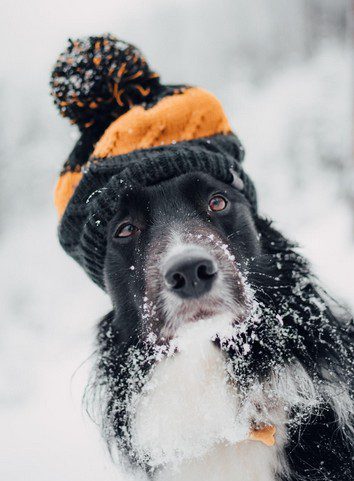
You do not need a complicated collection of products to protect your dog’s paws from winter salt. A towel by the door, regular inspections and a little attention to where your dog walks can go a long way.
For dogs that are particularly sensitive, paw balm or boots may provide additional protection. The important thing is finding a routine that works for both you and your dog and sticking with it throughout the winter.
I have found that the simplest routines are usually the ones that actually get done. Wipe the paws, check between the toes, dry them properly and pay attention to any changes in your dog’s behaviour.
Winter walks can still be enjoyable. With a little extra attention to your dog’s paws, you can help keep them comfortable while reducing the problems that winter salt can cause.
This article is for general information only and is not a substitute for veterinary advice. If your dog’s paws are bleeding, severely cracked, swollen or painful, contact your veterinarian.