What Parents Should Know About Deepfake Images
9 min read
1716 words
As a mom, I have always been careful about what photographs of my children are shared online. I am not against technology, and I certainly do not believe children should be completely sheltered from the internet. But I do think we need to be more aware of what can happen to a photograph once it leaves our phone or computer. I recently wrote about this in AI Should Make You Rethink Sharing Your Kids’ Photos Online, and deepfake images are another reason I think parents need to stop and think before sharing. Our children do not necessarily have to do anything wrong for someone to take an innocent photograph and turn it into something they never agreed to.
What Is a Deepfake Image?
A deepfake image is a photograph that has been digitally manipulated or created using artificial intelligence to make it appear that a real person is doing, wearing or saying something that never actually happened. We have seen deepfakes involving celebrities and public figures, but this technology is not limited to famous people. An ordinary teenager can become the subject of a manipulated image simply because someone has access to a photograph of them. That is what makes this issue particularly concerning for parents.
Your Child Does Not Have to Create the Image
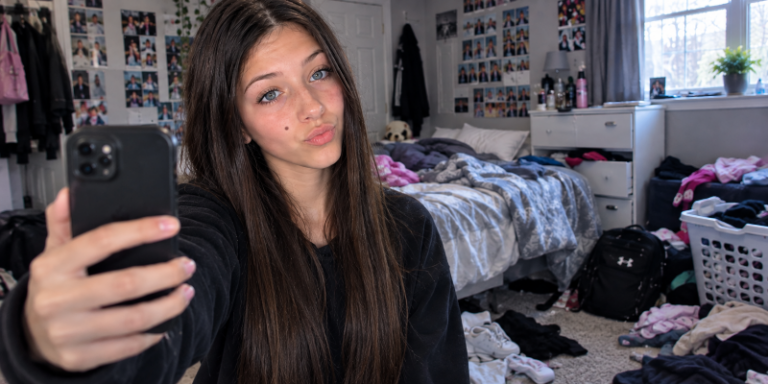
One of the things I find most troubling is that a child may have done everything right and still become a victim. We often tell our children not to send inappropriate photographs of themselves, and that is still an important conversation. But deepfake technology creates another problem because someone else can take an ordinary photograph and manipulate it. A teenager could have a completely innocent selfie on their social media account and someone could potentially use that image to create something embarrassing or inappropriate. The child never took the fake photograph, never agreed to it and may not even know it exists until someone sends it to them.
Think Carefully About What You Post
As a parent, that changes the way I think about photographs posted online. A picture of a child smiling at a birthday party or standing with friends may seem completely harmless, and normally it is. But once a photograph is posted publicly, we cannot always control what happens to it afterward. Someone can save it, screenshot it, share it or potentially use it with another technology. That does not mean parents should stop taking photographs or that children should never appear online. I think it simply means we should be more thoughtful about what we make public and who has access to it.
I also think parents need to consider the photographs that other people post of our children. I would much rather have another parent ask me before putting a photograph of my child on a public account than discover the photograph afterward. It is easy to think, “It’s just a picture,” but parents do not always have the same comfort level when it comes to sharing their children’s faces online. A private family photograph and a photograph posted publicly to an account with hundreds or thousands of followers are two very different things.
The Sexual Deepfake Problem
The problem becomes even more serious when deepfake technology is used to create sexual images. This is an area that I think parents need to talk about even though it is uncomfortable. A teenager can potentially be targeted with a fake sexual image even if they have never taken or sent one themselves. For a young person, the consequences can be devastating. Imagine being a teenager and finding out that classmates are passing around a fake image that appears to show you in a sexual situation. Even when the image is completely fabricated, the embarrassment, fear and humiliation can be very real.
I worry about the emotional impact this can have on children. A teenager may be afraid to tell their parents because they think they will be blamed or have their phone taken away. They may be afraid to go to school because they think everyone has seen the image. They may feel ashamed about something they did not actually do. This is why I believe parents need to make one thing very clear: if someone creates or shares a fake image of your child, your child is not the one who should be ashamed.
Deepfakes Can Become Another Form of Bullying
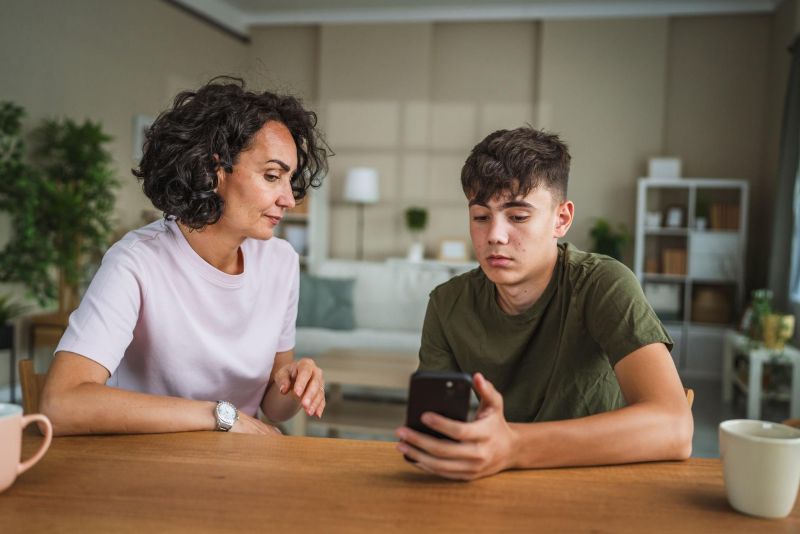
Our conversations with children need to go beyond simply telling them not to send inappropriate pictures. We also need to explain that someone could create a fake picture of them and that they should come to us if it happens. I would rather have my child walk through the door and say, “Mom, something really bad happened online,” than hide it because they are afraid of getting into trouble. Children need to know that telling a parent is not going to make the situation worse.
Deepfakes can also be used as a form of bullying. Teenagers have always found ways to embarrass one another, but technology can make that bullying much more convincing and much harder to escape. Someone could create a fake photograph that makes a child appear to be doing something embarrassing, taking drugs, drinking alcohol or behaving badly. That image could then be shared with classmates. Even if the photograph is fake, not everyone who sees it will know that. A child could suddenly find themselves trying to defend themselves against something that never happened.
That is why I do not think parents should dismiss deepfake incidents as “kids fooling around online.” What may seem funny to the person creating the image can be deeply upsetting to the person being targeted. A teenager may not understand how to handle the situation, and they may feel as though they have lost control of their reputation. Parents need to take these situations seriously and listen before immediately reacting.
Talk to Your Children Before There Is a Problem
I also think it is important to talk to children about deepfakes before there is a problem. Parents do not need to give their children a long lecture about artificial intelligence. A simple conversation can be enough to get them thinking. Ask them if they have heard of deepfakes. Ask whether they have ever seen a fake photograph or video online. Ask them what they would do if somebody created a fake image of them. Their answers can tell you a lot about what they understand and where they may need some guidance.
What Should You Do If It Happens?
If a child ever discovers that someone has created a fake image of them, I would encourage them to tell a trusted adult rather than trying to handle it alone. They should not retaliate by creating a fake image of the other person, and they should not threaten or harass whoever is responsible. If there are messages, usernames, links or other information that can help establish what happened, parents should preserve that information. When the material involves sexual images of a minor, parents should be especially careful about saving or forwarding the actual image and should seek appropriate help rather than spreading it further.
Depending on the circumstances, parents may need to contact the platform where the material was posted, the child’s school or law enforcement. If someone is threatening the child, blackmailing them or demanding additional photographs, money or other things in exchange for removing an image, I would not tell a child to handle that situation themselves. This is exactly when an adult needs to step in.
Parents Need to Look at Our Own Online Habits
Parents also need to look at our own behaviour online. We sometimes tell our children to protect their privacy while sharing an enormous amount of information about them ourselves. We post their birthdays, school activities, sports teams, vacations, photographs and sometimes even information about where they live. I understand why parents do it. We are proud of our children and want to share those special moments with family and friends. I have shared family moments online myself. But I think it is worth stopping occasionally and asking whether every photograph really needs to be public.
We Cannot Keep Our Children Completely Offline
That does not mean we should live in fear of technology. I do not think that is realistic, and I do not want children growing up believing that the internet is nothing but a dangerous place. There are wonderful things about technology. Children can learn, communicate, create and explore interests that they may never have had access to otherwise. The goal should be teaching them how to use technology responsibly while understanding that not everything online is what it appears to be.
The reality is that parents cannot completely protect their children from every misuse of artificial intelligence. We cannot control what another person does with a photograph once they have access to it, and we cannot possibly keep up with every new app, website or technology. What we can do is keep the conversation open. We can teach our children to think before posting, to question what they see online and to be careful about who they trust.
The Most Important Thing Parents Can Do

Most importantly, we can make sure they know they can come to us.
As a mom, that is the part that matters most to me. I want my children to know that if someone creates a fake photograph, sends them something disturbing, threatens them or tries to embarrass them online, they do not have to deal with it by themselves. They are not going to be in trouble for telling me. They do not have to be embarrassed. They do not have to protect the person who created the image.
Artificial intelligence is going to continue changing, and deepfake technology will probably become even more convincing. We may not be able to stop that technology from advancing, but we can prepare our children for the reality of living with it. Sometimes the most important online safety lesson is not about an app or a privacy setting. It is simply making sure our children know that when something goes wrong, they can come to us, tell us the truth and know that we will help them figure out what to do next.