
What Can Go Wrong With Dental Veneers? Problems to Know
8 min read
1498 words
Dental veneers can transform the appearance of a smile, helping improve the look of chipped, stained, uneven or slightly spaced teeth. For people who want to make cosmetic changes without covering the entire tooth with a crown, veneers may be an appealing option. However, like any dental treatment, they come with potential drawbacks.
Before deciding to have veneers placed, it is important to understand what can go wrong, what problems may develop over time and when to contact your dentist. Although many people are pleased with their results, veneers are not completely risk-free, and the procedure can involve permanent changes to natural teeth.
If you are still weighing your options, you may also want to read our guide, Veneers vs. Crowns Explained: How to Decide, which explains how these two dental treatments differ and what to consider before choosing one.
Understanding the possible complications can help you make a more informed decision and know what to expect after treatment.
1. Tooth Sensitivity After Getting Veneers
Some people experience increased sensitivity after having dental veneers placed. This may include discomfort when drinking cold water, enjoying hot beverages or eating certain foods.
Sensitivity can occur because preparing a tooth for a veneer may involve removing a small amount of enamel. This can temporarily make the tooth more sensitive to temperature changes. In many cases, the discomfort improves as the tooth settles.
However, sensitivity that is severe, persistent or getting worse should not be ignored. It may indicate an issue that needs dental attention. Your dentist can examine the tooth and determine whether the discomfort is related to the veneer, the underlying tooth or another dental problem.
2. Veneers Can Chip or Crack
Although porcelain veneers are durable, they are not indestructible. Biting down on hard foods, chewing ice, grinding your teeth or experiencing an injury to the mouth can cause a veneer to chip or crack.
Composite veneers may also become damaged or worn over time. The extent of the damage will determine whether the veneer can be repaired or needs replacement.
If you notice a rough edge, visible crack or change in the way your veneer feels, arrange a dental examination. Trying to file or repair a damaged veneer yourself can make the problem worse.
3. Veneers Can Become Loose or Fall Off
A veneer is bonded to the front of a tooth using dental adhesive. Although this bond is designed to be durable, it can sometimes weaken or fail.
A veneer may become loose because of bonding problems, damage, excessive biting pressure or changes affecting the underlying tooth. If a veneer comes off, keep it in a safe container and contact your dentist promptly. Do not attempt to glue it back yourself with household adhesives.
Your dentist can examine the tooth and determine whether the original veneer can be rebonded or whether a replacement is necessary.
4. Gum Irritation and Inflammation
The appearance and fit of a veneer can affect the surrounding gum tissue. If the edge of a veneer is poorly positioned or difficult to clean, plaque may accumulate around the area and contribute to gum irritation.
Signs of a problem may include redness, swelling, tenderness or bleeding when brushing and flossing. These symptoms should be assessed by a dental professional rather than dismissed as a normal part of having veneers.
Properly fitted veneers, careful oral hygiene and routine dental examinations help reduce the risk of gum problems.
5. Veneers Do Not Prevent Tooth Decay
One common misconception is that covering a tooth with a veneer protects it from cavities. This is not the case.
A veneer covers only the front surface of the tooth. The remaining natural tooth structure, including the areas around the edges of the restoration, can still develop decay. Poor brushing and flossing habits can allow plaque to build up around the veneer and increase the risk of dental problems.
Brushing twice daily with fluoride toothpaste, cleaning between your teeth every day and attending regular dental appointments remain important after veneer treatment.
6. Veneers May Look Unnatural
The goal of cosmetic dentistry is usually to create a smile that looks attractive and natural. However, veneers that are poorly designed, incorrectly fitted or unsuitable for a person’s facial features may look too bulky, too white or noticeably different from the surrounding teeth.
The size, shape, shade and position of each veneer can influence the final appearance. This is why discussing your expectations with your dentist before treatment is important.
Ask to review the proposed shade and shape, and make sure you understand what changes are possible. A natural-looking result should complement your existing teeth rather than simply making them as white as possible.
7. Veneers May Need to Be Replaced
Dental veneers are not permanent restorations in the sense of lasting a lifetime. Porcelain veneers often last approximately 10 to 15 years or longer, while composite veneers generally have a shorter expected lifespan.
Over time, veneers may become damaged, worn, loose or less attractive. Changes in the underlying tooth or surrounding gum tissue may also affect their appearance and fit.
When replacement becomes necessary, your dentist will assess the condition of the original restoration and the natural tooth underneath. Because traditional veneer preparation involves removing enamel, replacing a veneer is generally part of a long-term commitment to maintaining that tooth.
8. Teeth Grinding Can Damage Veneers
People who grind or clench their teeth may place considerable pressure on their dental restorations. This habit, known as bruxism, can contribute to chipped porcelain, cracks, wear and bonding problems.
Some people grind their teeth while sleeping without realizing it. Possible signs include jaw discomfort, morning headaches, worn teeth or reports from someone who hears grinding during the night.
If you grind or clench your teeth, discuss this with your dentist before choosing veneers. A custom-fitted night guard may help protect your teeth and restorations, although it does not eliminate the underlying grinding habit.
Are Dental Veneers Worth the Risk?
For many people, dental veneers can be a worthwhile cosmetic treatment when they are appropriately selected and carefully placed. They can improve the appearance of teeth while preserving more natural tooth structure than a full crown in many cases.
However, veneers are not suitable for everyone. People with untreated tooth decay, active gum disease, significant tooth damage or certain bite problems may need other dental treatment first. Those who grind their teeth may also require additional assessment before proceeding.
It is important to remember that traditional veneer treatment is generally irreversible because enamel may need to be removed. Once that preparation has been completed, the tooth will usually need a restoration in the future.
Before making a decision, ask your dentist about the alternatives, including professional whitening, dental bonding and crowns. The best option depends on the condition of your teeth and the changes you hope to achieve.
How to Protect Your Dental Veneers
Once your veneers are in place, maintaining good oral hygiene is essential. Brush twice a day with a soft-bristled toothbrush and fluoride toothpaste, and floss or clean between your teeth daily. Continue attending routine dental examinations so your dentist can check the veneers, gums and underlying teeth.
Avoid chewing ice, biting hard objects and using your teeth to open packaging. If you play contact sports, ask your dentist whether a protective mouthguard is appropriate. If you have a habit of grinding your teeth, discuss whether a night guard would be beneficial.
Pay attention to changes in your bite, discomfort, sensitivity or the appearance of a veneer. Early assessment can sometimes prevent a small issue from becoming a more complicated problem.
Questions to Ask Your Dentist Before Getting Veneers
Before committing to treatment, take time to discuss the practical and long-term considerations with your dentist. Useful questions include:
- How much natural tooth enamel will need to be removed?
- Am I a suitable candidate for porcelain or composite veneers?
- What are the alternatives to veneers for my particular concerns?
- How long are my veneers expected to last?
- What happens if a veneer chips, cracks or comes loose?
- Will I need a night guard?
- What maintenance and replacement costs should I anticipate?
A good consultation should give you a clear understanding of the benefits, limitations and long-term responsibilities involved.
Final Thoughts
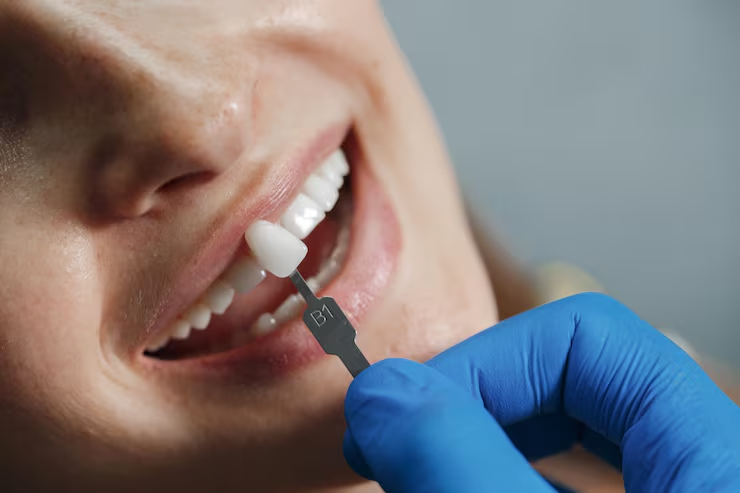
Dental veneers can make a noticeable difference to the appearance of a smile, but it is important to look beyond the immediate cosmetic results. Sensitivity, chipping, loose veneers, gum irritation and the need for eventual replacement are all possibilities worth understanding before treatment.
The decision should never be based on appearance alone. Your natural tooth structure, oral health, bite and long-term dental needs all deserve consideration. Speak with a qualified dental professional about the available options so you can choose a treatment that supports both the appearance of your smile and your overall oral health.
Disclaimer: This article is intended for general informational purposes only and is not a substitute for professional dental advice, diagnosis or treatment. Individual risks and treatment recommendations vary. Consult a qualified dental professional about your oral health and cosmetic treatment options.