Veneers vs. Crowns Explained: How to Decide
5 min read
929 words
When you decide to invest in your smile, a crucial consideration isn’t just the immediate aesthetic result, but the long-term durability of the treatment. Two of the most common solutions for enhancing or restoring a beautiful smile are dental veneers and dental crowns. While both options dramatically improve the appearance and function of your teeth, they serve different purposes and offer different lifespans. If you are asking, “How long do veneers last?” or wondering about the permanence of the procedure, this comprehensive guide provides the answers you need to make an informed decision.
How Long Do Veneers Really Last? (The Lifespan of a Smile Upgrade)
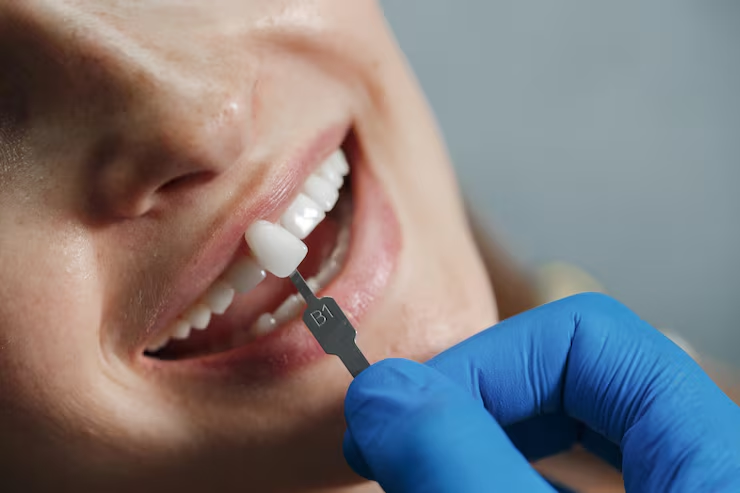
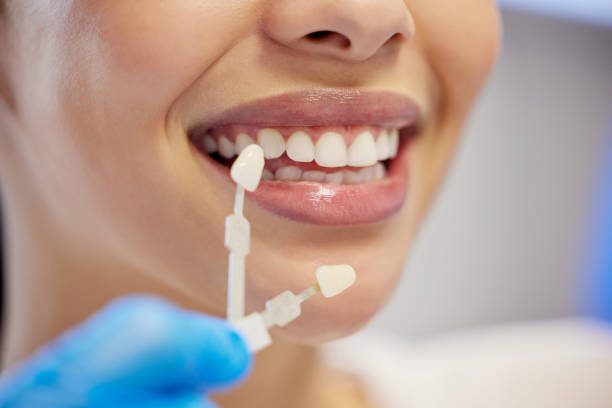
Dental veneers are thin, custom-made shells—typically porcelain or composite resin—that are bonded to the front surface of the teeth. They are primarily used for cosmetic purposes, masking chips, gaps, discoloration, or minor misalignment.
The simple answer to “How long do veneers last?” is: 10 to 15 years.
However, this lifespan is contingent upon several factors:
- Material: Porcelain veneers generally last longer (12–15+ years) due to their superior stain resistance and strength compared to composite resin veneers (which often last 5–7 years).
- Oral Hygiene: Consistent brushing, flossing, and regular professional dental cleanings are non-negotiable.
- Habits: Habits like grinding (bruxism), excessive nail-biting, or using teeth to open packages can rapidly reduce the lifespan of any veneer, sometimes leading to chipping or complete detachment.
Are Veneers Permanent? Understanding the Commitment
This is one of the most important questions patients ask. While veneers do eventually need replacing, the procedure itself is considered permanent (irreversible).
Here’s why:
To ensure the veneer sits flush with the existing teeth and does not look bulky, a small amount of enamel (usually less than 1 millimeter) must be removed from the front surface of the tooth prior to bonding. This preparation process cannot be undone.
Once the enamel is altered, the underlying tooth will always need to be covered, either by a new veneer, a crown, or professional bonding, for protection and aesthetic integrity. Therefore, the commitment to maintaining the tooth with a restoration is lifelong.
Veneers vs. Crowns: Understanding the Key Differences
While both veneers and crowns are restorative solutions, they treat different dental issues and involve different levels of alteration to the natural tooth structure.
1. Dental Veneers
- Purpose: Primarily cosmetic correction (color, shape, minor position).
- Coverage: Covers only the front surface of the tooth.
- Preparation: Minimally invasive, requiring removal of a small amount of enamel from the front.
- Ideal for: Healthy teeth that are aesthetically imperfect.
2. Dental Crowns (Caps)
A dental crown is often referred to as a “cap” because it covers the entire visible portion of the tooth, all the way down to the gum line.
- Purpose: Restorative function and protection (often used after a root canal, on heavily decayed teeth, or teeth with large, failing fillings).
- Coverage: Covers the entire tooth surface (360 degrees).
- Preparation: Requires significant filing and reduction of the natural tooth structure (up to 75%) to make room for the crown material.
- Ideal for: Compromised, damaged, or weakened teeth requiring structural support.
Longevity Showdown: Veneers vs. Crowns
Generally, dental crowns tend to last longer than veneers. Because a crown encapsulates the entire tooth, providing structural support and protection against biting forces from all sides, its durability is often maximized.
- Crown Lifespan: 15 to 25 years (or more), depending on placement, material (zirconia or high-quality porcelain are very strong), and patient care.
Pros and Cons: Which Solution is Right for You?
Choosing between a veneer and a crown depends entirely on the health and structural integrity of the natural tooth.
| Feature | Dental Veneers | Dental Crowns |
|---|---|---|
| Pros | ||
| Aesthetics | Highly natural appearance; easier to achieve symmetry. | Excellent aesthetics, especially with modern porcelain materials. |
| Preservation | Minimally invasive; preserves most of the natural tooth structure. | Provides exceptional strength and stability to a weakened tooth. |
| Treatment Time | Shorter process compared to full crown preparation. | Full coverage protects the tooth from fracture and decay. |
| Cons | ||
| Durability | Slightly shorter lifespan (10–15 years) than crowns. | Requires more aggressive removal of healthy tooth structure. |
| Strength | Not suitable for highly damaged or heavily fractured teeth. | Higher initial cost and potentially longer preparation time. |
| Reversibility | Irreversible procedure (requires replacement). | Irreversible procedure. |
| Sensitivity | Possible temporary temperature sensitivity post-procedure. | Possible temporary temperature sensitivity post-procedure. |
Maximizing Your Investment: Extending the Lifespan
Whether you choose veneers or crowns, the key to ensuring you reach the maximum expected lifespan—and potentially surpass it—is dedicated maintenance.
- Adopt a Custom Cleaning Routine: Use a non-abrasive toothpaste. Abrasive formulas can scratch the veneer or crown surface, leading to premature wear and loss of shine.
- Wear a Night Guard: If you grind or clench your teeth (bruxism), a custom-fitted acrylic night guard is essential. Bruxism is the number one cause of chipping and cracking in both crowns and veneers.
- Avoid Excessive Stress: Do not chew ice, hard candy, or use your teeth as tools.
- Regular Check-ups: Maintain your recommended schedule for professional cleanings and examinations. Your dentist can spot minor issues—like failing seals or chips—before they become serious problems requiring full replacement.
Conclusion
Both dental veneers and crowns are highly successful solutions for achieving a healthy, beautiful smile, but their functional longevity and required level of tooth modification differ.
Veneers are the gold standard for cosmetic enhancement, offering a lifespan of 10–15 years with minimal preparation. Crowns are the necessary restorative solution for damaged teeth, offering superior structural support and potentially lasting 15–25 years.
Understanding that the initial preparation for both procedures is irreversible is crucial. Schedule a consultation with your dental professional today to determine which long-lasting investment offers the right blend of aesthetics and functionality for your unique dental needs.