Home Therapy Devices for Pain Relief and Recovery
8 min read
1519 words
More people are looking for ways to manage pain, stiffness, and recovery. Whether dealing with sports injuries, joint pain, arthritis symptoms, muscle soreness, or recovering after physical activity, understanding available therapy options can help improve comfort and mobility. While home therapy devices have become increasingly popular, it is important to remember that they are designed to help manage symptoms and support recovery. They should not replace professional medical advice, a proper diagnosis, or guided physiotherapy when recovering from an injury.
Before purchasing or using any home therapy device, it is always a good idea to talk with your physiotherapist or healthcare provider. A physiotherapist can help determine whether a device is appropriate for your specific injury, explain how it should be used safely, and ensure it is combined with the right exercises to improve strength, flexibility, and function.
After experiencing a knee injury, I learned firsthand how important a comprehensive recovery plan can be. My physiotherapist used a combination of ice therapy, targeted exercises, and Transcutaneous Electrical Nerve Stimulation (TENS) and therapeutic ultrasound as part of my rehabilitation. Seeing how different treatments worked together sparked my interest in learning more about the therapy devices commonly used for pain management and recovery.
From therapeutic ultrasound and TENS units to EMS devices, cold therapy machines, and massage guns, each tool serves a different purpose. Understanding how these technologies work, their potential benefits, and their limitations can help individuals make safer and more informed decisions about their recovery.
What Are Home Therapy Devices?
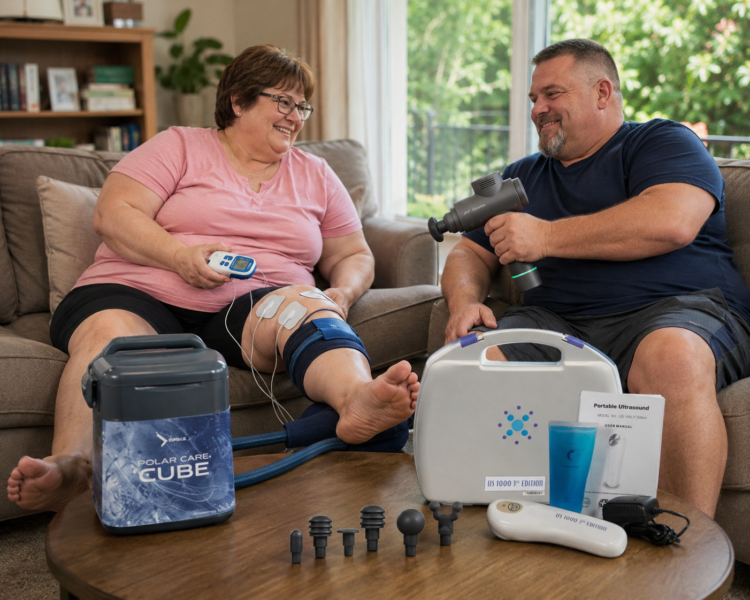
Home recovery tools use different technologies, including electrical stimulation, sound waves, temperature therapy, and vibration, to interact with the body’s nervous and musculoskeletal systems.
To choose the right tool, it helps to understand the different categories:
Pain management devices: These tools focus primarily on helping reduce the sensation of pain by affecting how pain signals are processed. TENS units are a common example.
Muscle stimulation devices: These use electrical impulses to activate muscles and may assist with maintaining muscle activity during rehabilitation. EMS units are one example.
Recovery tools: These devices target muscle tightness, soreness, and stiffness. Massage guns are a popular example.
Rehabilitation equipment: These tools use methods such as cooling or sound waves to support recovery and symptom management. Cold therapy machines and therapeutic ultrasound devices fall into this category.
Many people may benefit from these tools, including athletes recovering from training, older adults managing stiffness, individuals recovering from minor injuries, and those dealing with ongoing muscle or joint discomfort.
However, the best results usually come when these devices are used alongside a personalized rehabilitation plan created with guidance from a physiotherapist.
Therapeutic Ultrasound: Can Sound Waves Help Recovery?
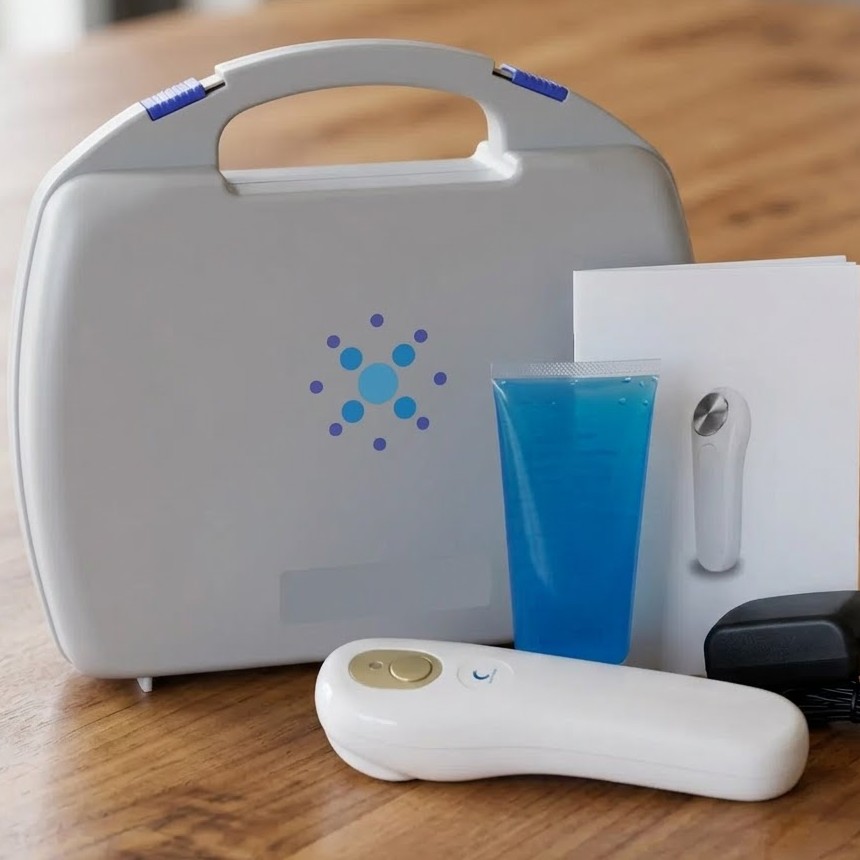
Therapeutic ultrasound is a treatment commonly used by physiotherapists that is now available in some portable home-use models. It uses high-frequency sound waves delivered through a handheld applicator with ultrasound gel to help transmit the waves into the tissues.
Potential Benefits
Therapeutic ultrasound may help:
- Reduce localized discomfort.
- Improve soft tissue flexibility.
- Warm tissues before stretching or exercise.
It is sometimes used during physiotherapy treatments for conditions involving soft tissue irritation, muscle strains, tendon problems, or joint stiffness.
Limitations and Safety
The effectiveness of therapeutic ultrasound varies depending on the condition being treated. It should not be considered a cure or a replacement for active rehabilitation exercises.
If considering a home ultrasound device, speak with your physiotherapist first. They can advise whether it is suitable, how it should be used, and whether it may interfere with another treatment plan.
Users should also:
- Choose a quality device with clear instructions.
- Follow recommended treatment times.
- Understand proper application techniques.
- Avoid using ultrasound over open wounds, infections, or areas where it may not be medically appropriate.
TENS Units: Electrical Stimulation for Pain Relief
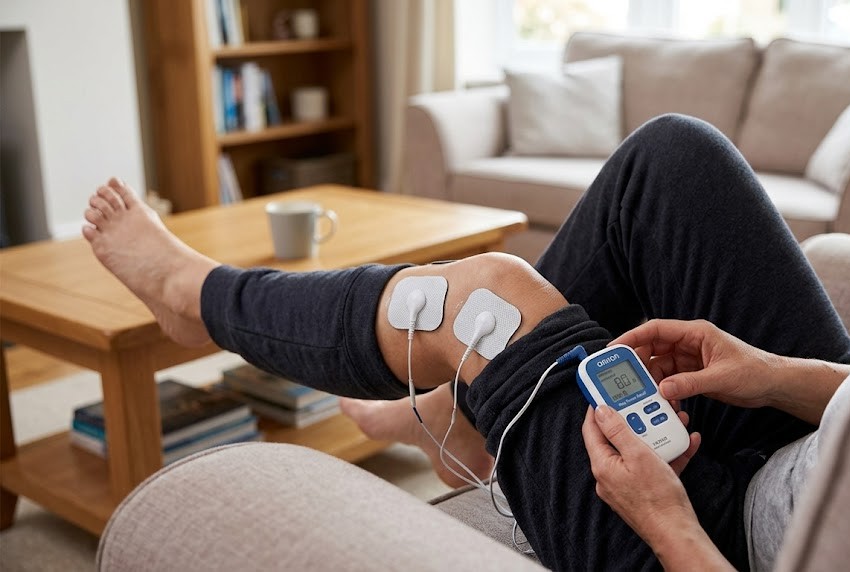
Transcutaneous Electrical Nerve Stimulation (TENS) units are small devices designed to provide drug-free pain relief. They work by sending mild electrical impulses through adhesive electrodes placed on the skin.
Possible Benefits
TENS may help some people manage discomfort by stimulating nerves involved in pain processing. It is commonly used for:
- Back and neck discomfort.
- Knee pain.
- Arthritis-related discomfort.
- Muscle soreness.
What TENS Does Not Do
TENS is a symptom-management tool. It does not repair damaged tissue, rebuild strength, or correct the underlying cause of an injury.
A physiotherapist can help determine whether TENS is appropriate and teach proper electrode placement.
Choosing and Using a TENS Unit
Look for:
- Adjustable intensity settings.
- Multiple programs.
- Easy-to-use controls.
- Replacement electrode pads that are easy to find.
People with pacemakers, implanted electrical devices, certain heart conditions, or pregnancy concerns should speak with a healthcare professional before using TENS.
EMS Units: Muscle Stimulation and Rehabilitation Support
Electrical Muscle Stimulation (EMS) units may look similar to TENS devices but serve a different purpose.
While TENS focuses mainly on pain signals, EMS sends electrical impulses that cause muscles to contract.
Common Uses
EMS may be used to:
- Encourage muscle activation.
- Support rehabilitation.
- Help maintain muscle activity when movement is limited.
EMS vs. TENS
TENS: Mainly used for pain management.
EMS: Mainly used for muscle activation and stimulation.
Proper electrode placement is important. A physiotherapist can demonstrate safe placement and explain whether EMS fits into your recovery program.
EMS should not replace active strengthening exercises prescribed during rehabilitation.
Cold Therapy Machines: Modern Ice Therapy
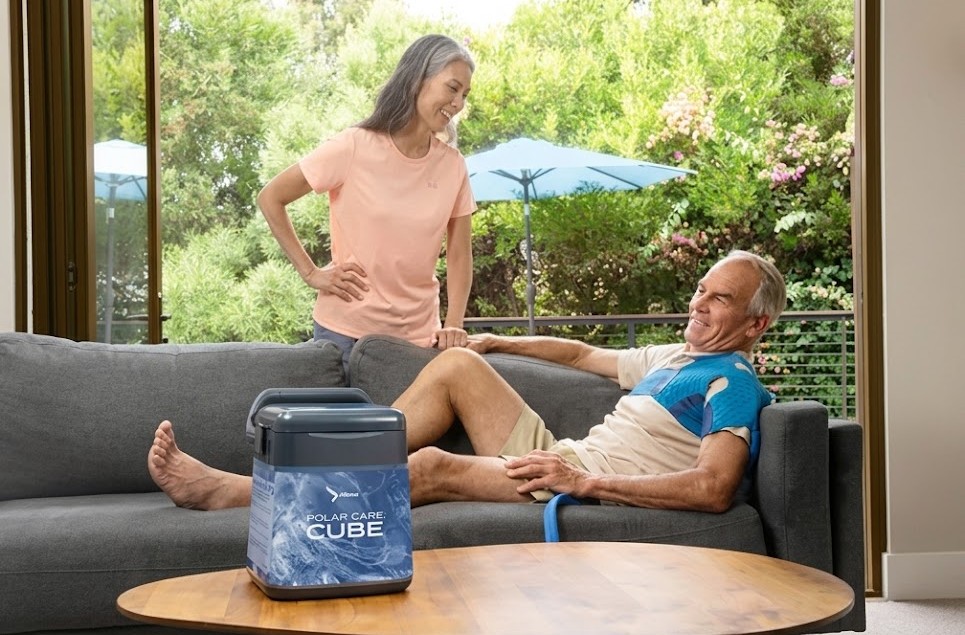
Cold therapy machines provide controlled cooling and are often used after injuries, surgery, or periods of increased swelling.
These systems usually combine a water and ice reservoir with a wrap that delivers continuous cold therapy to a specific area.
Benefits
Cold therapy may help:
- Reduce swelling.
- Ease pain after activity.
- Provide comfort during recovery.
Compared with traditional ice packs, cold therapy machines can provide more consistent cooling and may be easier for some people to use.
Features to Look For
Consider:
- Comfortable wraps.
- Adjustable settings.
- Easy cleaning.
- Quiet operation.
- A design that is simple to fill and maintain.
Cold Therapy Safety
Avoid excessive cooling. Follow recommended treatment times and protect your skin if needed.
Stop using cold therapy if you notice:
- Burning sensations.
- Skin irritation.
- Excessive numbness.
- Changes in skin colour.
Your physiotherapist can recommend whether heat or cold therapy is more appropriate depending on your injury and stage of recovery.
Massage Guns: Percussion Therapy at Home
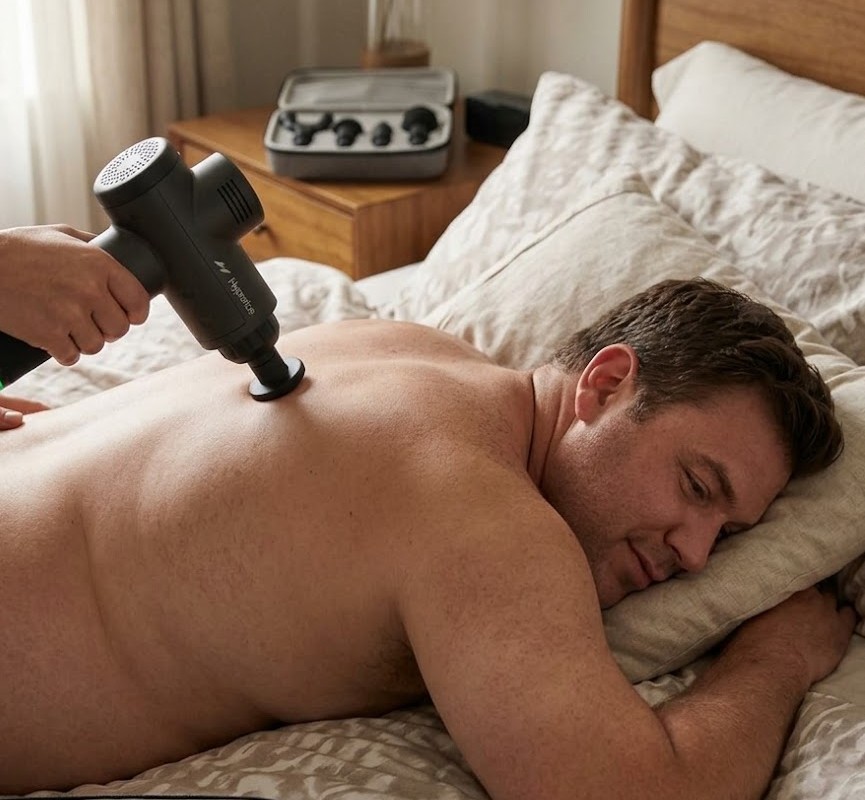
Massage guns have become popular recovery tools among athletes and people dealing with muscle tightness.
These handheld devices use rapid pulses to apply pressure to muscle tissue.
Potential Benefits
Massage guns may help:
- Reduce muscle soreness after exercise.
- Ease muscle tightness.
- Improve flexibility.
- Support relaxation.
How to Use Safely
Massage guns should be used only on soft muscle tissue.
Avoid using them:
- Directly over bones or joints.
- On fresh injuries.
- Over areas with significant swelling or bruising.
People with circulation problems, recent surgery, nerve sensitivity, or blood clot concerns should speak with a healthcare professional before use.
Which Home Therapy Device Is Right for You?
The best device depends on your goals:
For temporary pain relief: TENS unit
For muscle activation: EMS unit
For swelling after an injury: Cold therapy machine
For muscle tightness: Massage gun
For soft tissue treatment: Therapeutic ultrasound
A physiotherapist can help you decide which option fits your recovery needs and how to safely include it in your routine.
What to Know Before Buying a Home Therapy Device
Before purchasing a recovery device, consider:
- Is there research supporting its use for my condition?
- Has my healthcare provider or physiotherapist recommended it?
- Do I understand how to use it safely?
- Will I use it consistently?
- Does it support an active rehabilitation plan?
When Home Therapy Is Not Enough
Home devices can be helpful, but they are not a substitute for medical care.
Seek professional advice if you experience:
- Severe or worsening pain.
- Increasing swelling.
- Loss of movement.
- Inability to bear weight.
- Symptoms that are not improving.
A physiotherapist or healthcare provider can help identify the cause of ongoing symptoms and recommend the right treatment.
Conclusion
Home therapy devices can be valuable tools for managing discomfort, easing muscle tension, and supporting recovery. However, they work best when combined with proper movement, strengthening exercises, and professional guidance when needed.
Before investing in a device, talk with your physiotherapist to ensure it matches your needs and recovery goals. The right tool, used correctly, can become a helpful part of maintaining mobility, comfort, and an active lifestyle.
Medical Disclaimer
The information provided in this article is for educational and informational purposes only and is not intended to replace professional medical advice, diagnosis, or treatment. Home therapy devices may help manage certain symptoms, but they are not suitable for everyone and should not be used as a substitute for care from a qualified healthcare professional.
Always consult your doctor, physiotherapist, or other healthcare provider before starting any new therapy device, especially if you have an existing medical condition, recent injury, chronic pain, implanted medical devices, nerve problems, circulation issues, or are recovering from surgery.
A healthcare professional can help determine whether a device is appropriate for your individual needs and provide guidance on safe and effective use. If you experience severe pain, worsening symptoms, sudden weakness, loss of movement, or other concerning symptoms, seek medical attention promptly.