
How Seasonal Light Changes Impact Sleep Cycles
7 min read
1340 words
As summer gives way to fall, many people notice subtle changes in their energy levels, sleep patterns, and sleep cycles. If you’ve been feeling sleepier in the evening, struggling to wake up in the morning, or relying on an extra cup of coffee to get through the day, you’re not imagining it. Seasonal changes in daylight can affect your body’s internal clock, influencing both the quality and timing of your sleep cycles.
September brings noticeably shorter days across Canada. While the seasonal transition is gradual, even small reductions in daylight can influence when you feel alert, sleepy, or ready for bed. Understanding how natural light affects your sleep cycles can help you make simple adjustments that support better rest, improve sleep quality, and maintain more consistent energy throughout the fall.
What Are Sleep Cycles?
Sleep cycles are the repeating stages of sleep your body moves through each night. A typical cycle lasts about 90 to 120 minutes and includes light sleep, deep sleep, and rapid eye movement (REM) sleep. Most adults experience four to six sleep cycles each night.
While these cycles follow a natural pattern, they can be influenced by factors such as stress, age, illness, travel, and changes in daylight. During September, shorter days and longer nights can temporarily affect your body’s internal clock, making it feel more difficult to fall asleep, wake up refreshed, or maintain consistent energy throughout the day.
The Shift to Shorter Days

September marks the transition from summer to autumn. Following the autumnal equinox, daylight hours continue to decrease while nights become longer. Earlier sunsets and later sunrises mean your body is exposed to less natural light than it was just a few weeks earlier.
Natural light is one of the strongest signals that regulates your sleep-wake cycle. As daylight decreases, your brain begins adjusting to the new pattern, even if your daily schedule stays the same.
For some people, this adjustment is barely noticeable. Others may feel unusually tired in the evening, have difficulty waking in the morning, or experience a drop in daytime energy.
Your Body’s Internal Clock
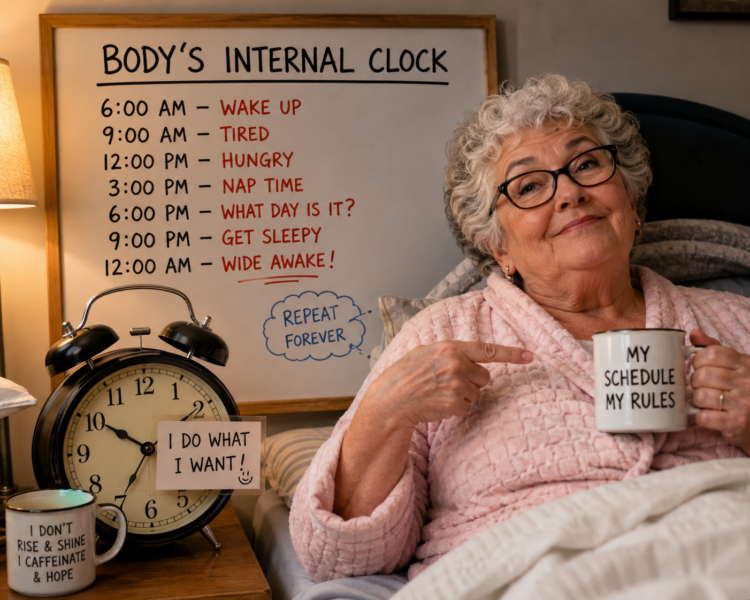
Your body follows a roughly 24-hour cycle known as the circadian rhythm. This internal clock helps regulate sleep, alertness, body temperature, hormone production, and many other biological functions.
The circadian rhythm is strongly influenced by light.
When your eyes detect morning sunlight, the brain receives a signal to reduce melatonin production and increase alertness. Melatonin is the hormone that helps prepare your body for sleep, while cortisol naturally rises in the morning to promote wakefulness and gradually declines throughout the day.
As evenings become darker earlier in September, melatonin may begin rising sooner than it did during the summer. At the same time, darker mornings may delay the signals that help you feel fully awake.
Why September Can Leave You Feeling More Tired
Many people notice a temporary adjustment period as daylight hours decrease.
You may experience:
- Feeling sleepy earlier in the evening.
- Difficulty getting out of bed.
- Lower energy during the afternoon.
- Trouble concentrating.
- Increased cravings for carbohydrate-rich foods.
- Mild changes in mood.
These changes are generally temporary as your body adapts to the new seasonal light pattern.
Who Is Most Likely to Notice the Change?

Although anyone can experience seasonal changes in sleep, some people may be more sensitive than others.
This includes:
- People who spend most of the day indoors with limited natural light.
- Parents adjusting to school routines and earlier mornings.
- Shift workers with irregular sleep schedules.
- Older adults, whose circadian rhythms often become less responsive with age.
- People living in northern regions of Canada, where daylight decreases more quickly.
- Individuals affected by Seasonal Affective Disorder (SAD) or existing sleep disorders.
Ways to Support Better Sleep This Fall
Get Outside Soon After Waking
Morning sunlight is one of the most effective ways to reinforce your body’s natural sleep-wake cycle. Even 15 to 30 minutes outdoors after waking can help improve alertness and support a more consistent bedtime.
If spending time outside isn’t possible, open your curtains as soon as you wake to let in as much natural light as possible.
Keep a Consistent Sleep Schedule
Going to bed and waking up at roughly the same time each day helps strengthen your circadian rhythm. Sleeping in on weekends can make it harder to adjust during the workweek.
Reduce Evening Screen Time
Phones, tablets, computers, and televisions emit blue light that can delay melatonin production. Limiting screen use for at least an hour before bed or using your device’s night mode may help your body prepare for sleep.
Stay Active
Regular physical activity supports better sleep quality and daytime energy. Walking, cycling, strength training, or yoga can all be beneficial. If possible, finish vigorous exercise at least a few hours before bedtime.
Create a Relaxing Evening Routine
A predictable bedtime routine tells your body that it’s time to wind down.
Consider:
- Reading a book.
- Gentle stretching.
- Meditation or deep breathing.
- Taking a warm shower.
- Listening to calming music.
Foods That May Support Healthy Sleep
While no single food guarantees a better night’s sleep, a balanced diet can support healthy sleep habits.
Foods that contain magnesium, such as pumpkin seeds, spinach, almonds, and leafy greens, help support normal muscle and nerve function.
Foods containing tryptophan, including turkey, eggs, dairy products, and legumes, provide an amino acid used in the production of serotonin and melatonin.
It’s also a good idea to avoid large meals, excessive alcohol, and caffeine later in the day, as these may interfere with sleep quality.
Could It Be More Than Seasonal Fatigue?
Feeling a little more tired as daylight decreases is common. However, persistent fatigue isn’t something you should ignore.
Speak with your healthcare provider if you experience:
- Difficulty sleeping that lasts several weeks.
- Excessive daytime sleepiness.
- Loud snoring or pauses in breathing during sleep.
- Fatigue that interferes with work or daily activities.
- Ongoing feelings of sadness or loss of interest that may suggest Seasonal Affective Disorder or another health condition.
A healthcare professional can help determine whether an underlying sleep disorder, medical condition, or mental health concern may be contributing to your symptoms.
Frequently Asked Questions
Why do I feel more tired in September?
Shorter daylight hours can affect your circadian rhythm, making you feel sleepy earlier in the evening and less alert in the morning while your body adjusts.
Does less daylight increase melatonin?
Darkness signals your brain to begin producing melatonin earlier in the evening. The timing changes rather than the total amount your body produces.
How long does it take to adjust to shorter days?
Most people adapt within a few weeks, although the adjustment varies depending on lifestyle, sleep habits, overall health, and exposure to natural light.
Can cloudy weather affect sleep?
Cloudy days reduce light intensity, which may make some people feel less alert during the day, especially when combined with shorter daylight hours.
Should I use a light therapy lamp?
Some people with significant seasonal mood or energy changes may benefit from light therapy. If symptoms are persistent or severe, speak with your healthcare provider before starting treatment.
Final Thoughts
As the days grow shorter, it’s normal for your body to need time to adjust. Paying attention to your sleep schedule, getting outside in the morning, staying active, and limiting evening screen time can help your internal clock adapt to the changing season.
If your fatigue or sleep problems continue well beyond the initial transition into fall, don’t assume they’re simply part of the season. Ongoing sleep difficulties deserve medical attention, as they may be related to an underlying sleep disorder or another health condition.
By working with your body’s natural rhythms instead of against them, you can enjoy everything September has to offer while supporting healthier sleep and better overall well-being.
Disclaimer: This article is for informational and educational purposes only and is not intended to replace professional medical advice, diagnosis, or treatment. Everyone’s sleep patterns and health needs are different. If you have ongoing sleep concerns, significant fatigue, changes in mood, or symptoms that affect your daily life, speak with a qualified healthcare professional.