EarWax Removal for Kids and Teens: What Parents Should Know
10 min read
1811 words
Earwax is one of those things parents may not think much about until a child complains that an ear feels plugged or seems to have trouble hearing. Although earwax buildup can affect children and teenagers, earwax itself is completely normal. It helps protect the ear canal by trapping dust and debris, while also helping keep the skin inside the ear healthy. In most cases, the ears naturally move excess wax towards the opening, where it can fall away on its own.
Sometimes, however, earwax accumulates and forms a blockage inside the ear canal. This can cause muffled hearing, discomfort, itching or a feeling of fullness in the ear. When wax buildup becomes a problem, having the ears examined by a qualified health-care professional or hearing-care provider can help determine whether removal is necessary.
Recently, my teenage daughter had earwax removed at a hearing clinic, which prompted me to look more closely at earwax buildup in children and teenagers. It reminded me that ear care is something parents may not think much about until a young person experiences a blockage or changes in hearing. Understanding what professional removal involves and how to care for young ears can help parents feel better prepared if the issue arises in their own family.
Why Do Children and Teenagers Get Earwax Buildup?

Earwax production varies from person to person. Some children naturally produce more wax than others, while the shape and size of the ear canal can influence how easily wax moves out. According to HealthLink BC’s information on earwax, the ear canals are self-cleaning, and wax can become impacted when it is pushed deeper into the canal.
Teenagers may be particularly likely to notice earwax problems because earbuds and in-ear headphones are part of everyday life for many young people. Wearing earbuds does not automatically cause a blockage, but inserting objects into the ears can interfere with the natural movement of wax. Cotton swabs are another common culprit. Even when used with good intentions, they can push wax farther into the ear canal and potentially irritate the delicate skin.
It is important for parents to understand that earwax is not a sign of poor hygiene. Trying to remove every trace of it can actually create problems because the ears need some wax for protection. The goal is not to keep the ears completely free of wax, but to address a buildup when it causes symptoms or prevents a health-care professional from examining the ear properly.
Signs Your Child May Need Earwax Removal
Children do not always recognize or explain hearing changes in the same way adults do. A younger child might tug at an ear, complain that it feels strange or become frustrated when they cannot hear clearly. A teenager may describe a plugged sensation, notice that sounds seem quieter than usual or repeatedly turn up the volume on a television or phone. Some children may also experience itching, mild discomfort or pressure in the affected ear.
These symptoms do not necessarily mean earwax is the cause. Ear infections, fluid behind the eardrum and other ear conditions can produce similar complaints. If your child has persistent hearing difficulties, ear pain, drainage or recurring symptoms, arrange an assessment rather than assuming the problem is simply wax buildup. The City of Toronto’s guidance on children’s hearing and ear health advises parents to contact a health-care professional if they think their child has too much earwax or may have an ear infection.
What Happens During Professional Earwax Removal?
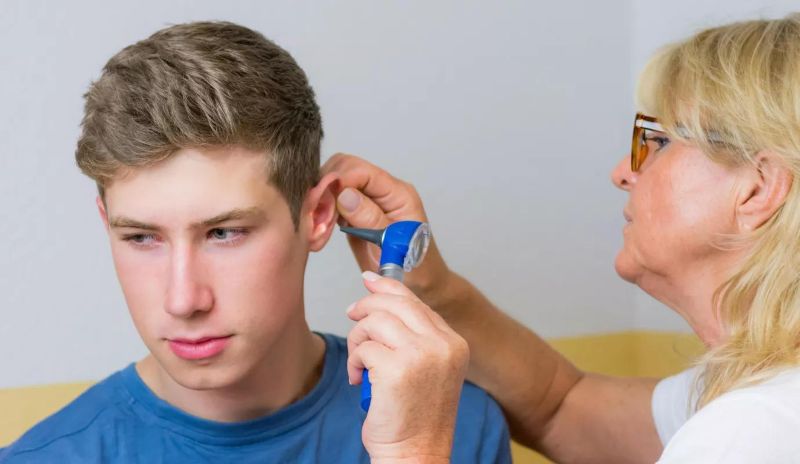
For a child or teenager who has never had earwax removed professionally, the appointment may seem a little intimidating at first. Explaining what to expect can help make the experience less stressful. At a hearing clinic, the provider will generally begin by asking about symptoms and examining the ear canal to assess the amount and location of the wax. The recommended approach will depend on the individual, the type of blockage and the provider’s assessment.
There are different methods of earwax removal. Depending on the clinic and the circumstances, a trained provider may use a small instrument to remove wax under direct visualization, gentle suction or another suitable method. Not every technique is appropriate for every person, and the provider should explain what they recommend before proceeding. Parents should feel comfortable asking questions about the procedure, including whether it is suitable for their child’s age and medical history.
Parents can help by preparing their child beforehand. Explain that the provider will look inside the ears and that the purpose is to address the blockage if one is present. Encourage your child to speak up if something hurts or feels uncomfortable. A calm, reassuring approach can make the experience easier and help teenagers feel more confident about looking after their own ear health as they grow older.
Is Professional Earwax Removal Safe for Kids and Teens?
Professional earwax removal can be an appropriate option when wax is causing symptoms or interfering with an examination. However, the safest approach depends on the child’s age, medical history and ear health, as well as the method being used. Parents should tell the provider if their child has had ear surgery, has ear tubes, has a known or suspected eardrum perforation, or has experienced previous problems with earwax removal. These details can affect which methods are suitable.
It is also worth remembering that not every buildup needs to be removed. If the wax is not causing symptoms and is not preventing an examination, leaving it alone may be the best option. A health-care professional can help determine whether removal is necessary, particularly when a child has ongoing hearing complaints or a history of ear problems.
Avoid attempting to dig wax out with cotton swabs, hairpins or other objects. These can push wax deeper into the ear canal and may injure the delicate skin or eardrum. If you are unsure what to do, seek advice from your child’s doctor or a qualified hearing-care professional instead of experimenting with home remedies.
Caring for Your Child’s Ears After Removal
After an appointment, follow the specific aftercare instructions provided by the clinic. Your child may be able to return to their usual activities straight away, depending on the method used and how their ears feel. If the provider recommends any follow-up care, make sure your child understands what to do and when to contact the clinic if they have questions.
Contact a health-care professional if your child develops persistent or worsening pain, bleeding, unusual discharge, dizziness or continuing hearing difficulties after the procedure. These symptoms should not simply be dismissed as a normal part of earwax removal. If the original feeling of blockage or muffled hearing remains, a further assessment may be needed to determine whether wax is still present or another condition is responsible.
How to Help Prevent Future Earwax Blockages
One of the simplest ways to protect your child’s ears is to avoid putting objects into the ear canal. Cotton swabs should be used only on the outside of the ear, never inside the opening. Parents can teach children to clean the visible outer ear gently with a soft, damp washcloth during their regular bathing routine. The ear canal itself generally does not need to be cleaned.
For teenagers who regularly wear earbuds, it is helpful to keep the devices clean and follow the manufacturer’s cleaning instructions. They should avoid pushing earbuds farther into the ears than intended and should take a break if their ears become irritated or uncomfortable. Earbuds are not necessarily the cause of a blockage, but good habits can help reduce irritation and discourage attempts to clean inside the ear.
Parents should also remind children that earwax is part of the body’s natural protective system. It is normal for wax to be visible at the opening of the ear, and its colour can vary. There is no need to remove every trace of wax simply because it can be seen. If blockages happen repeatedly, ask a health-care professional whether a tailored ear-care plan would be helpful.
Should Children Have Their Ears Cleaned Regularly?
Routine earwax removal is not necessary for every child or teenager. Many ears manage wax naturally without any intervention. Professional removal may be appropriate for children who repeatedly develop blockages, experience symptoms or need wax cleared so that the ear canal and eardrum can be examined. The decision should be based on the child’s needs rather than a fixed cleaning schedule.
If your child has recurring earwax buildup, keep track of any symptoms and discuss them with a health-care professional. It can be useful to mention how often the problem occurs, whether hearing seems affected and whether your child uses earbuds or has a history of ear infections or ear procedures. This information can help the provider recommend an appropriate approach.
Helping Teenagers Take Charge of Their Ear Health
The teenage years are a good time to encourage young people to take a more active role in their personal health. Parents can explain that earwax is normal, that inserting objects into the ear canal can cause harm and that hearing changes deserve attention. Teenagers should feel comfortable telling a parent or trusted adult when their ears feel blocked or their hearing seems different, rather than trying to solve the problem themselves.
It is also an opportunity to talk about protecting hearing more generally. Listening to music at a safe volume and using suitable hearing protection around loud sounds can help protect hearing over time. Earwax removal addresses a blockage when one is present, but it does not prevent hearing damage caused by excessive noise. Both are important parts of healthy ear care.
For parents, the main message is simple: earwax is normal, and more cleaning is not always better. When a child or teenager develops symptoms that may be related to a blockage, professional advice can help establish the cause and determine whether removal is needed. With the right information and sensible habits, families can make ear care a straightforward part of looking after their health.
Canadian Resources for Parents
For additional information about children’s ear health and earwax buildup, these Canadian resources may be helpful:
- City of Toronto: Hearing, Help Your Child Now offers guidance on protecting children’s hearing and ear health, including advice about avoiding objects in the ear canal and seeking professional help when excess wax is a concern.
- HealthLink BC: Earwax explains why earwax is important, how blockages can develop and when professional help may be needed. Although it is a British Columbia resource, the general ear-care information can also be useful to Canadian families elsewhere.
If you have concerns about your child’s hearing or recurring earwax buildup, speak with your child’s health-care provider or a qualified hearing-care professional for advice suited to their age and circumstances.
This article is for general information only and is not a substitute for professional medical advice, diagnosis or treatment.