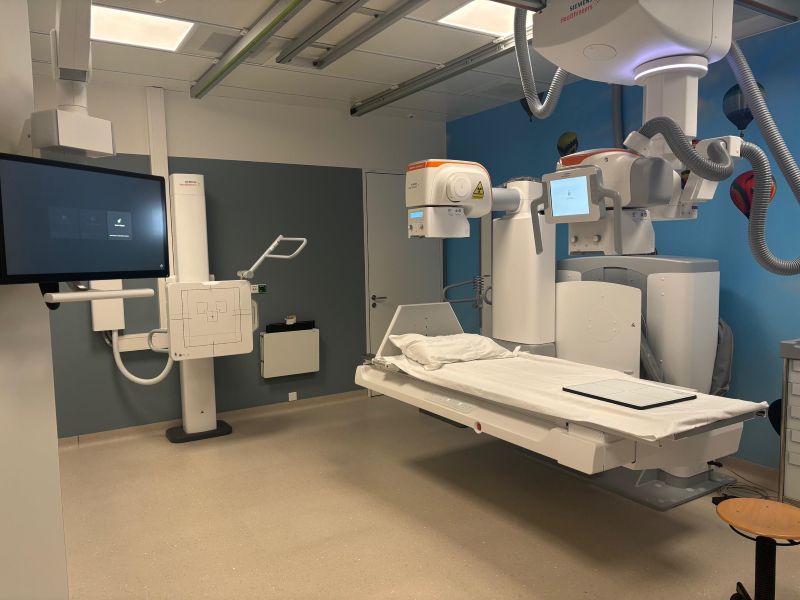
Barium Swallow Test: What to Expect During
7 min read
1261 words
Have you ever been scheduled for a medical test and found yourself searching online to learn what to expect? I know how helpful it can be to hear from someone who has experienced the procedure firsthand. On October 23, 2026, I had a barium swallow test, also known as an esophagram. I wanted to share my experience to help others feel more prepared for this unfamiliar examination, from the preparation beforehand to what happens during the test and how to care for yourself afterwards.
Please note: This article describes my personal experience and provides general educational information. Your examination may differ depending on its purpose and the instructions provided by your healthcare team.
What Is a Barium Swallow Test?
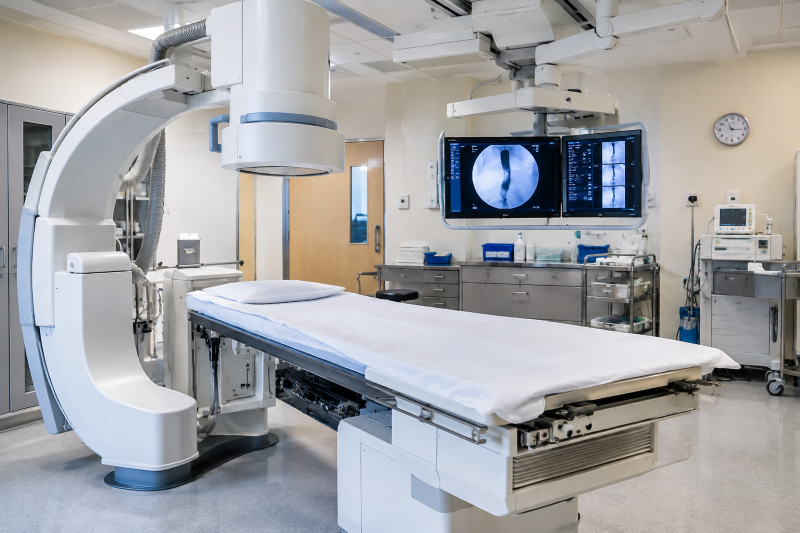
A barium swallow, or esophagram, is an imaging examination that uses a liquid containing barium and X-rays to examine the esophagus, the muscular tube that carries food and liquid from your mouth to your stomach.
During the test, a technique called fluoroscopy produces real-time X-ray images, allowing the medical team to observe how the barium moves through the esophagus. This can help doctors investigate swallowing difficulties and identify certain structural or movement-related abnormalities.
An esophagram differs from a modified barium swallow, which focuses more specifically on how the mouth and throat work during swallowing and may involve a speech-language pathologist.
For further information, visit RadiologyInfo.org’s guide to an upper GI X-ray and barium swallow.
Preparing for My Barium Swallow
I had to fast before my appointment. Preparation requirements can vary, so follow the specific instructions provided by your imaging department. You may be asked to avoid food and drinks for a certain period before the examination. If you take regular medication, check whether you should take it as usual rather than making changes on your own.
It is also worth asking whether you need to change into a hospital gown and how much time to allow for the appointment. Understanding the basic steps beforehand can make the experience feel less intimidating.
What Happened During My Esophagram?
One thing I appreciated was how thoroughly the technologist explained the procedure. She talked me through what to expect and helped me change positions throughout the examination.
Drinking the Barium
The test involves swallowing a barium-containing liquid so the esophagus becomes visible on X-ray images. I found the taste chalky, which may be something to prepare for if you have never had the examination before. The contrast liquid allows the radiologist to observe its movement through the swallowing passage.
Changing Positions
During my examination, I was asked to move between standing and lying down. The technologist explained what I needed to do and assisted me as I changed positions. Depending on the images required, patients may also be asked to turn or tilt their bodies or remain still for particular views.
I appreciated having someone guide me through these movements rather than having to work out what to do myself.
How Long Does the Test Take?
My examination took approximately 15 to 30 minutes. The actual duration can vary depending on the type of study and whether additional images are needed. Remember to allow extra time for registration and any preparation or instructions before and after the test.
Does a Barium Swallow Hurt?
A barium swallow is a non-surgical imaging test. It does not involve an incision or an endoscope being passed down your throat. However, some aspects may feel uncomfortable, particularly the taste or texture of the barium and the positions you are asked to hold.
My main observation was that the liquid tasted chalky. Some people may also experience temporary digestive discomfort. If you have concerns about swallowing the liquid or moving during the examination, tell the technologist so they can explain the process and help you understand what is required.
What Happens After a Barium Swallow?
Once the examination is complete, the radiologist reviews the images and prepares a report for the healthcare provider who requested the test. Before leaving, make sure you understand any aftercare instructions provided by the imaging department.
Why Drinking Water Matters
After a barium swallow, you will generally be advised to drink plenty of water, unless you have been told to restrict your fluid intake. Barium passes through your digestive system and leaves your body in your stool. Adequate fluids help it move through your system and may reduce the risk of constipation.
If you have a medical condition that requires you to limit fluids, ask your healthcare team how much you should drink rather than increasing your intake without guidance.
Possible Side Effects After the Test
Some people experience temporary nausea, gas, bloating or a feeling of fullness after the examination. Others may have few or no noticeable symptoms. If you feel nauseated, taking small sips of fluid may be easier than drinking a large amount at once.
Your stool may also appear pale or white for a short time as the barium passes through your digestive system. Follow your imaging department’s instructions about eating, drinking and returning to your usual activities.
Contact your healthcare provider if symptoms persist or worsen. Severe abdominal pain, repeated vomiting, or an inability to pass stool or gas warrants prompt medical assessment.
When Will You Get Your Results?
After the radiologist interprets the images, a report is sent to the healthcare provider who ordered the examination. The time it takes to receive results varies, so ask your doctor’s office when you should expect an update.
At the time of writing, I am still waiting for my results. I do not yet know what the examination showed, and I will discuss the findings with my healthcare provider when they become available.
Waiting can be an uncertain part of undergoing a medical test. Knowing who will contact you and when to follow up can help you understand what happens next.
Questions to Ask Before Your Appointment
If you have an upcoming barium swallow, consider asking your imaging department how long you need to fast, whether you should take your usual medication and how long the appointment is likely to last. You can also ask whether you will need to change positions, what aftercare is recommended, how much water you should drink and when you can expect your results.
These details may vary depending on the examination, so your own healthcare team’s instructions should always take priority over general advice found online.
My Takeaway
Having a barium swallow was a new experience for me. I found the barium chalky and had to change between standing and lying down, but the technologist’s detailed explanations and assistance helped me understand what to do throughout the test. My examination took around 15 to 30 minutes, although other patients may have a different experience.
The most useful things to know beforehand are that you may need to fast, the procedure involves swallowing a contrast liquid, and you may be asked to move into different positions. Afterwards, follow your care team’s instructions, drink adequate fluids if permitted, and be aware of possible temporary digestive symptoms.
If you have been scheduled for an esophagram, do not hesitate to ask questions. You do not need to understand every medical term before arriving; the imaging team can guide you through the procedure.
Have you had a barium swallow or esophagram? If you feel comfortable sharing your experience, your insights may help someone preparing for their first examination.
Medical Disclaimer
This article describes one person’s experience and provides general educational information. It is not a substitute for professional medical advice, diagnosis or treatment. Follow the preparation and aftercare instructions provided by your healthcare team.