Barrier Repair Skincare: Heal Your Skin Barrier
7 min read
1346 words
The skin serves as the body’s first line of defense against the outside world. At the center of this protection is the skin barrier, a delicate structure that helps keep moisture in while keeping harmful irritants out. As more people experience dryness, irritation, and sensitivity from overusing active ingredients, barrier repair skincare has become one of the fastest-growing trends in beauty. A skincare routine focused on restoring the skin barrier can help rebuild this natural defense, improving hydration, comfort, and overall skin health.
What Is the Skin Barrier?
Understanding the Skin’s Protective Layer
The outermost layer of the epidermis is called the stratum corneum. Often described using the “brick and mortar” analogy, the skin cells (corneocytes) act as the bricks, while a matrix of lipids including ceramides, cholesterol, and fatty acids—acts as the mortar.
This lipid matrix forms the moisture barrier. Its primary job is to prevent water from escaping from the skin, a process known as transepidermal water loss (TEWL), while protecting the body from environmental aggressors such as bacteria, allergens, pollution, and chemical irritants.
Why a Healthy Skin Barrier Is Essential
A healthy skin barrier is essential for maintaining comfortable, resilient, and healthy-looking skin. It helps provide:
- Deep hydration: Locks in moisture to keep skin plump, smooth, and elastic.
- Skin comfort: Reduces tightness, stinging, and itching caused by environmental exposure.
- Reduced inflammation: Helps minimize redness and irritation by blocking external irritants.
- Improved resilience: Allows the skin to better tolerate environmental changes and defend itself against harmful microorganisms.
Signs of a Damaged Skin Barrier
When the lipid matrix becomes disrupted, the skin struggles to retain moisture and protect itself from outside irritants. Recognizing the early signs of a damaged skin barrier can help prevent further damage.
Common symptoms include:
- Dry, flaky skin that remains dehydrated despite using moisturizer.
- Tightness, especially immediately after cleansing.
- Burning or stinging when applying everyday skincare products.
- Persistent redness or warmth.
- Increased sensitivity to products that previously caused no reaction.
- Itching or ongoing discomfort.
- Rough, uneven texture.
- Breakouts caused by irritation rather than excess oil.
- Flare-ups of conditions such as eczema or rosacea.
What Causes Skin Barrier Damage?
Several factors can weaken the skin barrier over time.
Over-Exfoliation
Using chemical exfoliants such as glycolic, lactic, or salicylic acid too frequently—or combining them with harsh physical scrubs—can strip away healthy skin cells and essential lipids.
Using Too Many Active Ingredients
Layering retinoids, vitamin C, exfoliating acids, and other powerful ingredients into the same routine can overwhelm the skin and lead to irritation.
Harsh Cleansers
Strong sulfates and high-pH cleansers remove natural oils that are essential for maintaining a healthy barrier.
Environmental Factors
Cold weather, harsh winds, excessive sun exposure, pollution, indoor heating, air conditioning, and low humidity all contribute to moisture loss.
Lifestyle Factors
Stress, poor sleep, smoking, dehydration, and a nutrient-poor diet can all affect the skin’s ability to repair itself.
Underlying Skin Conditions
Conditions such as eczema, rosacea, and psoriasis naturally weaken the skin barrier and often require ongoing management.
Best Ingredients for Barrier Repair Skincare
Once the barrier has been compromised, the priority shifts from treating every skin concern at once to restoring hydration, calming irritation, and rebuilding the skin’s natural lipid matrix.
Look for products containing:
- Ceramides: Replenish essential lipids and strengthen the barrier.
- Hyaluronic Acid: Draws water into the skin for lasting hydration.
- Glycerin: Helps attract and retain moisture.
- Niacinamide (Vitamin B3): Supports natural ceramide production while reducing redness.
- Squalane: Provides lightweight hydration without clogging pores.
- Panthenol (Vitamin B5): Soothes irritation while supporting skin repair.
- Colloidal Oatmeal: Relieves itching and calms sensitive skin.
- Fatty Acids: Work with ceramides and cholesterol to restore the skin barrier.
Ingredients to Avoid While Your Barrier Heals
To give the skin the best chance to recover, temporarily avoid products that can increase irritation, including:
- High-strength retinoids (retinol, retinal, and prescription tretinoin).
- Strong AHAs and BHAs, including glycolic, lactic, and salicylic acids.
- Benzoyl peroxide unless recommended by a healthcare professional.
- Alcohol-heavy products containing denatured alcohol or SD alcohol.
- Fragranced skincare products and essential oils.
- Harsh physical scrubs and cleansing brushes.
A Simple Barrier Repair Skincare Routine
When the skin barrier is compromised, the goal isn’t to use more products—it’s to use fewer, gentler products consistently.
Morning Routine
- Cleanse with a gentle, sulfate-free hydrating cleanser, or simply rinse with lukewarm water.
- Apply a hydrating serum containing ingredients such as hyaluronic acid or panthenol.
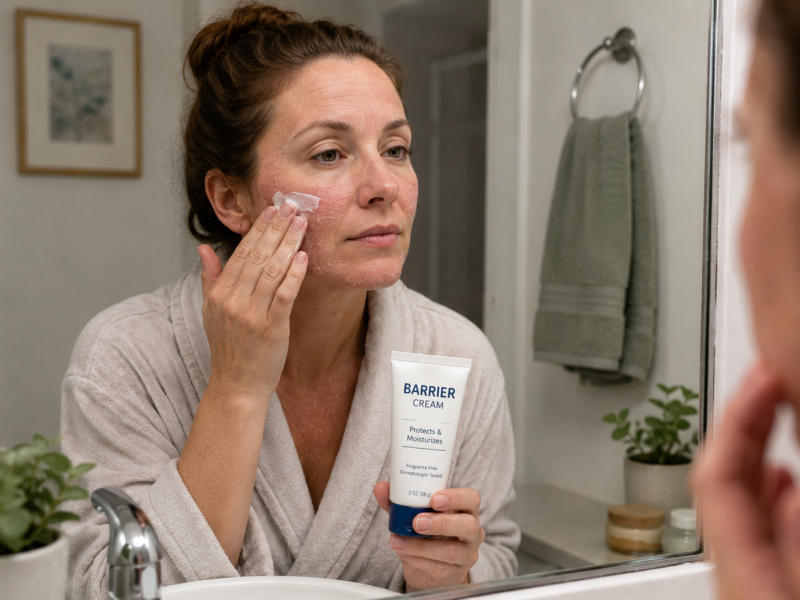
- Follow with a ceramide-rich moisturizer to lock in hydration.
- Finish with a broad-spectrum SPF 30 or higher. Mineral sunscreens containing zinc oxide are often well tolerated by sensitive skin.
Evening Routine
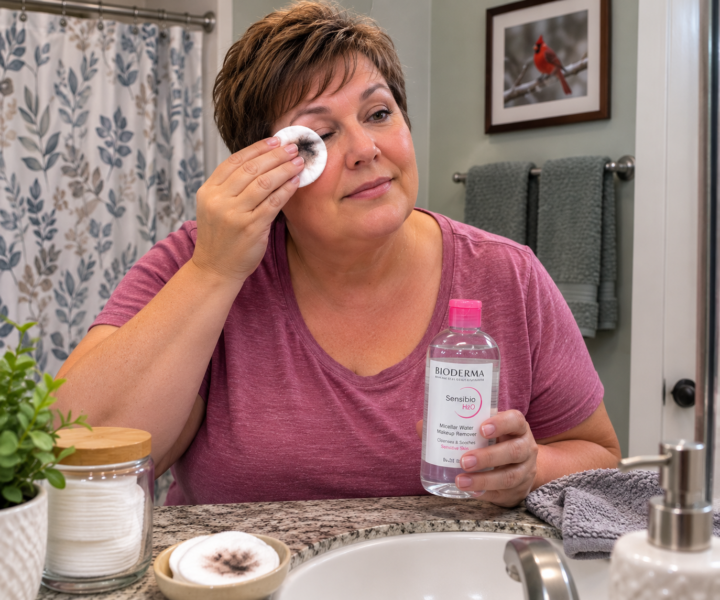
- Gently cleanse away sunscreen, makeup, and impurities.
- Apply a soothing hydrating serum.
- Use a richer moisturizer containing ceramides, cholesterol, fatty acids, and squalane.
- If your skin is extremely dry, finish with a few drops of squalane or jojoba oil to help seal in moisture overnight.
How Long Does It Take to Repair the Skin Barrier?
Recovery depends on the severity of the damage.
- Mild damage: Several days to two weeks.
- Moderate damage: Two to six weeks with consistent care.
- Chronic damage: Several months if the barrier has been repeatedly compromised or an underlying skin condition is present.
Patience and consistency are essential. Reintroducing strong active ingredients too soon can slow the healing process.
Can You Wear Makeup While Repairing Your Skin Barrier?
Yes, provided your skin tolerates it comfortably.
Choose fragrance-free, hydrating makeup formulated for sensitive skin. Avoid heavy mattifying products that can emphasize dry patches, and remove makeup gently using micellar water or a mild cleansing oil without excessive rubbing.
Barrier Repair Skincare Myths
Myth: Oily Skin Doesn’t Need Barrier Repair
Even oily skin can have a damaged moisture barrier. In fact, dehydrated skin often produces more oil to compensate.
Myth: More Active Ingredients Mean Better Results
Using multiple active ingredients together is one of the most common causes of barrier damage.
Myth: Natural Products Are Always Gentler
Natural ingredients such as essential oils and citrus extracts can irritate sensitive or compromised skin.
Myth: Tingling Means a Product Is Working
Persistent tingling or burning is often a sign of irritation rather than effectiveness.
When to See a Dermatologist
While many mild cases improve with gentle skincare, seek medical advice if:
- Symptoms persist for several weeks despite simplifying your routine.
- You experience severe redness, swelling, or cracking.
- Your skin begins oozing or shows signs of infection.
- You suspect eczema, rosacea, psoriasis, or an allergic skin reaction.
Frequently Asked Questions
Can a damaged skin barrier heal itself?
Yes. The skin naturally repairs itself over time, but removing irritants and following a barrier repair skincare routine can significantly support and speed up recovery.
Can I use retinol while repairing my skin barrier?
No. Retinol increases skin cell turnover and may worsen irritation while your barrier is compromised. Wait until your skin has fully recovered before reintroducing it gradually.
What moisturizer is best for barrier repair?
Choose a fragrance-free moisturizer containing ceramides, cholesterol, fatty acids, glycerin, or panthenol to help restore the skin’s natural protective barrier.
Can over-cleansing damage the skin barrier?
Yes. Washing too often, using hot water, or choosing harsh cleansers can strip away the natural oils your skin needs to stay healthy.
Does sunscreen help protect the skin barrier?
Absolutely. Daily broad-spectrum sunscreen helps protect the skin from UV damage, which can weaken the barrier and contribute to premature aging.
Can barrier repair skincare help acne-prone skin?
Yes. A healthy skin barrier helps reduce irritation and inflammation, making it easier for acne-prone skin to heal and tolerate treatment products.
Conclusion
Healthy, radiant skin begins with a strong, well-functioning skin barrier. Instead of relying on aggressive treatments or layering multiple active ingredients, focus on gentle cleansing, consistent hydration, and barrier-supporting ingredients such as ceramides, fatty acids, and niacinamide. In many cases, simplifying your routine and staying consistent is the fastest path back to comfortable, resilient, healthy-looking skin.
Disclaimer: This article is for informational purposes only and should not be considered medical advice. If you have persistent irritation, severe redness, cracking skin, or a diagnosed skin condition, consult a dermatologist or qualified healthcare professional for personalized evaluation and treatment.