Sleep Divorce: Why More Couples Sleep Separately
7 min read
1263 words
For generations, the shared marital bed has been viewed as a symbol of intimacy, commitment, and emotional closeness. Traditionally, couples sleeping in separate rooms was often associated with relationship problems or growing distance. Today, that perception is changing. The sleep divorce trend is gaining attention as more couples choose separate sleeping arrangements, not because their relationship is failing, but because they want to improve their sleep, health, and overall quality of life.
A sleep divorce is not about ending a relationship. Instead, it is about recognizing that quality sleep plays an important role in how couples communicate, handle stress, and connect with each other. When one or both partners are constantly tired, patience can disappear, small disagreements can become bigger conflicts, and emotional connection may suffer.
A well rested partner is often a happier, more present partner.
From snoring and different sleep schedules to menopause related sleep changes and personal comfort preferences, many couples are discovering that sleeping separately may actually strengthen their relationship rather than weaken it.
What Is a Sleep Divorce?
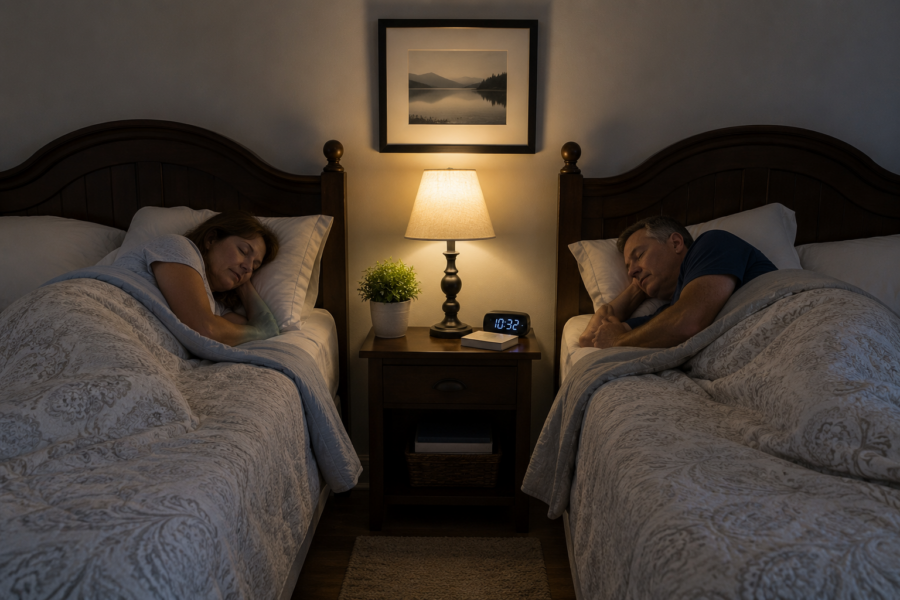
A sleep divorce is when couples intentionally choose different sleeping arrangements to improve their rest. The term may sound negative, but it does not mean a separation or the end of a marriage. It is simply a practical solution designed around each person’s sleep needs.
A sleep divorce can look different for every couple:
• Sleeping in separate bedrooms: Each partner has their own quiet space for uninterrupted rest.
• Using separate beds in the same room: Couples maintain closeness while reducing sleep disturbances.
• Following different sleep schedules: Partners adjust bedtime and wake up times to avoid disrupting each other’s sleep.
• Creating a flexible sleep routine: Some couples sleep together most nights but choose separate spaces when needed.
The goal is not distance. It is better rest, better health, and a stronger relationship during waking hours.
Why Are More Couples Choosing Separate Sleep?
The reasons behind the growing popularity of sleep divorce vary from couple to couple. Often, the decision comes from practical challenges that affect sleep quality.
Different Sleep Habits
Many couples have completely different sleep patterns. One person may be an early riser who wakes up refreshed at sunrise, while the other may prefer staying up later and sleeping in.
Different bedtimes, alarms, movement, lights, and noise can interrupt sleep and leave one or both partners feeling exhausted.
Snoring and Sleep Disruptions
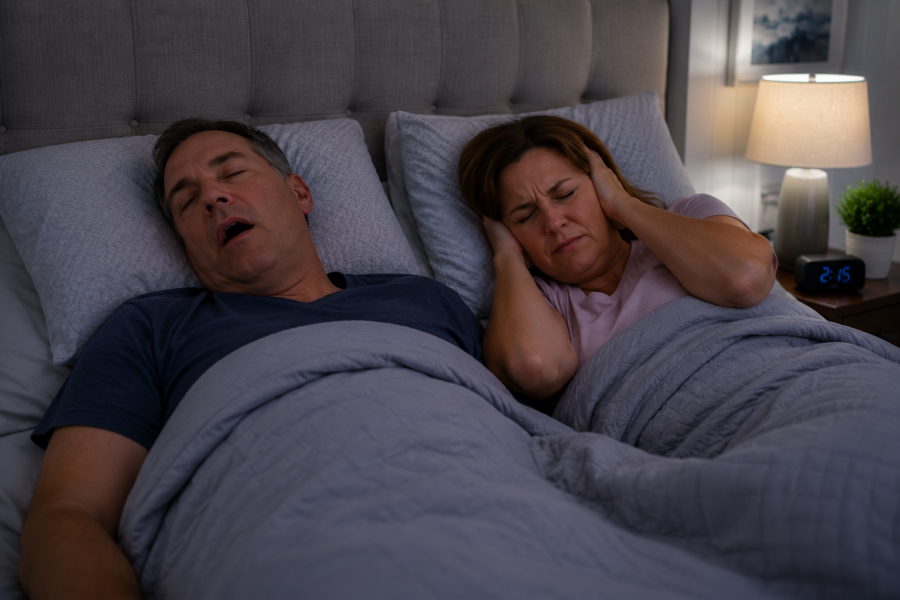
Snoring is one of the most common reasons couples consider sleeping separately. A partner who snores loudly may unintentionally prevent the other person from getting enough rest.
Other disruptions can include frequent tossing and turning, restless leg movements, repeated trips to the bathroom, or waking up several times throughout the night.
Temperature and Comfort Preferences
Bedroom temperature can become a nightly disagreement. One person may prefer a cool room with lightweight blankets, while the other wants warmth and extra layers.
Differences in mattress firmness, pillow preferences, and bedding choices can also make sharing a bed uncomfortable.
Health and Aging Changes
Sleep patterns often change as people get older. Hormonal changes, including those associated with menopause, can contribute to night sweats, hot flashes, and disrupted sleep.
Chronic pain, arthritis, mobility issues, or other health concerns may also affect how comfortably someone sleeps. For many couples, prioritizing quality rest becomes an important part of maintaining overall wellness.
Can Sleeping Separately Improve a Relationship?
Although it may seem surprising, sleeping separately can sometimes have positive effects on a relationship.
Benefits may include:
• Better sleep quality for both partners
• Less frustration caused by nighttime interruptions
• Improved mood and patience during the day
• More energy for shared activities
• Greater appreciation for time spent together
When couples are no longer exhausted from poor sleep, they may find it easier to communicate, solve problems, and enjoy their relationship.
Does a Sleep Divorce Mean a Relationship Is in Trouble?
One of the biggest misconceptions about a sleep divorce is that it signals a relationship problem. That is not necessarily true.
Sleeping separately does not automatically mean emotional distance or a lack of love. Many couples choose separate sleeping arrangements because they care about each other’s health and well being.
A strong relationship is built on communication, affection, trust, shared experiences, and emotional connection. Where a couple sleeps is only one small part of a much larger partnership.
For some couples, a sleep divorce removes nighttime stress and allows them to enjoy their waking hours together more fully.
How Couples Can Make a Sleep Divorce Work
Communication is essential if couples decide to try sleeping separately.
Helpful tips include:
Talk Openly About the Reason
Explain that the goal is better sleep, not rejection or emotional distance.
Create Shared Bedtime Rituals
Couples can still enjoy talking, cuddling, reading together, or spending quiet time before going to sleep.
Continue Prioritizing Connection
Plan regular dates, shared activities, and meaningful conversations to maintain closeness.
Maintain Physical Affection
Intimacy is not limited to sharing the same bed. Physical affection, kindness, and emotional support remain important.
Revisit the Arrangement
Sleep needs can change over time. Couples should check in with each other to make sure the arrangement continues to work.
Signs a Sleep Divorce May Be Worth Considering
A separate sleeping arrangement may be worth discussing if:
• You regularly wake each other throughout the night
• Sleep problems are causing arguments or resentment
• One or both partners feel exhausted during the day
• Different sleep habits are affecting your relationship
• Other solutions have not improved the situation
Alternatives Before Choosing Separate Bedrooms
A full sleep divorce is not the only option. Couples may want to try other solutions first.
Possible alternatives include:
• Buying a mattress with better motion isolation
• Choosing a larger bed for more personal space
• Using separate blankets
• Trying a white noise machine
• Adjusting bedtime routines
• Creating a darker, quieter bedroom environment
• Addressing snoring or other sleep problems
When to Talk to a Doctor About Sleep Problems
Sometimes sleep disturbances are more than a relationship issue. They may be a sign of an underlying health concern.
Talk to a healthcare professional if you or your partner experience:
• Loud, frequent snoring
• Pauses in breathing during sleep
• Gasping or choking during the night
• Extreme daytime tiredness despite getting enough time in bed
• Morning headaches
• Difficulty staying awake during normal activities
These symptoms may be linked to conditions such as sleep apnea, which can affect overall health if left untreated.
A doctor can help determine whether testing, treatment, or lifestyle changes may improve sleep quality.
The Emotional Side of Sleeping Apart
It is normal for couples to worry that separate sleeping arrangements may feel like rejection. Many people have grown up believing that sharing a bed is an essential sign of love and commitment.
However, intimacy is created through many forms of connection, including conversation, affection, support, laughter, and shared experiences.
When couples are better rested, they may have more patience, more energy, and more emotional availability for each other.
The focus should always be on finding a solution that helps both partners feel respected, comfortable, and connected.
Conclusion
A sleep divorce is not a sign of a failing relationship. For many couples, it is a practical way to improve sleep, reduce stress, and create a healthier partnership.
Whether couples choose separate bedrooms, separate beds, or another sleep solution, the goal remains the same: helping both partners feel rested, valued, and connected.
Sometimes sleeping apart can actually help couples come closer together.
This article is for informational purposes only and is not a substitute for professional medical advice. If you have concerns about your sleep, snoring, or possible sleep disorders, speak with a qualified healthcare professional.