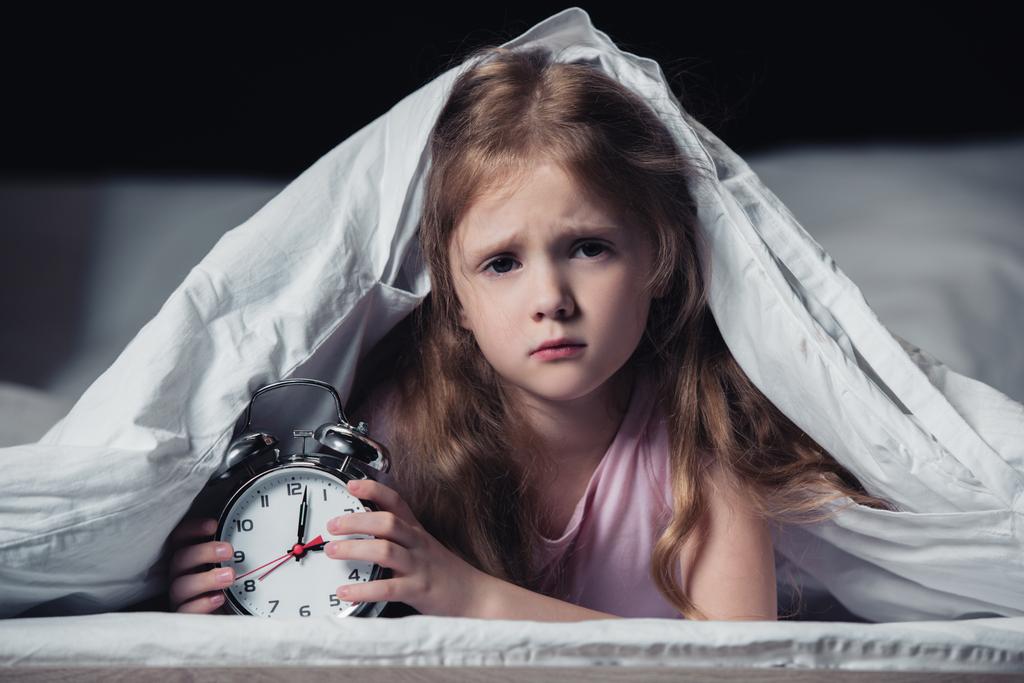
Why Children Are Afraid of the Dark
6 min read
1185 words
Does bedtime turn into a nightly struggle in your home? You are not alone. Fear of the dark is one of the most common childhood fears experienced by many families around the world. Parents often face bedtime challenges when children refuse to sleep alone, need extra reassurance, or become anxious when the lights go out.
The good news is that fear of the dark is usually a normal part of childhood development. Understanding why your child feels afraid is the first step toward responding with patience, comfort, and support. This guide will help explain the reasons behind nighttime fears and how parents can better understand their child’s emotions.
Why Do Children Fear the Dark?
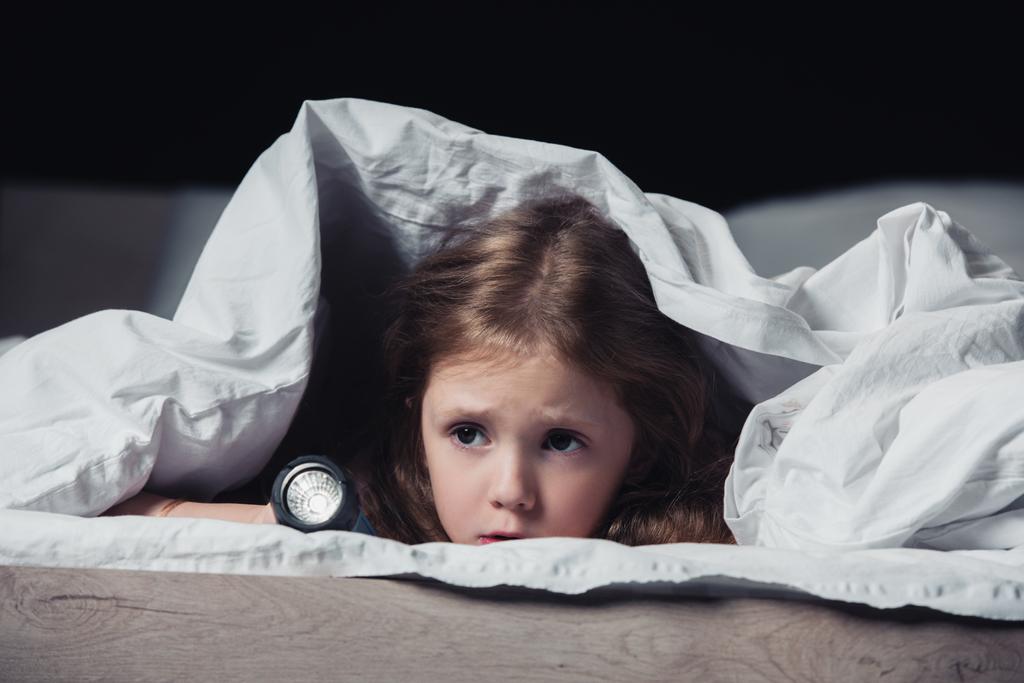
Children’s nighttime fears can develop from several developmental and environmental factors.
A Developing Imagination
Young children have incredibly active imaginations. In a dark bedroom, ordinary objects can suddenly appear unfamiliar or frightening. Shadows may look like shapes, noises may seem louder, and familiar surroundings can feel different when the lights are turned off.
Because children are still learning to separate imagination from reality, their minds may create explanations for things they do not understand.
For example, a coat hanging on a chair may look like a person, or a creaking floorboard may sound like something scary moving nearby.
Fear of the Unknown
Children feel safest when they can see and understand what is happening around them. Darkness removes many of the visual details they rely on, making their surroundings feel uncertain.
When children cannot see what is nearby, they may begin imagining what could be there. This uncertainty can make bedtime feel uncomfortable and increase feelings of worry.
Difficulty Separating Fantasy From Reality
For younger children, imaginary ideas from books, cartoons, movies, or conversations can feel very real. Monsters, ghosts, and other fictional characters may seem possible because children are still developing the ability to fully understand the difference between fantasy and reality.
Their imagination is a wonderful part of childhood, but it can also create fears during quiet nighttime hours.
Changes and Stress Can Increase Anxiety

Nighttime fears may become stronger during periods of change or stress. Bedtime is often when children have fewer distractions, allowing worries from the day to surface.
Common triggers may include:
• Moving to a new home.
• Starting school or daycare.
• The arrival of a new sibling.
• Changes in family routines.
• Illness, stress, or difficult experiences.
Understanding these triggers can help parents provide extra reassurance during times when children need additional support.
Is Fear of the Dark Normal?
Many parents worry that their child’s fear of the dark means something is wrong. In most cases, nighttime fears are a normal part of growing up.
Children are learning how to manage emotions, understand their environment, and become more independent. Fear of the dark often decreases as children gain confidence and develop better coping skills.
With patience, reassurance, and a supportive bedtime routine, most children gradually become more comfortable sleeping on their own.
How Age Affects Fear of the Dark
Fear of the dark can look different depending on a child’s age and stage of development.
Toddlers and Preschoolers
This is the most common age for fear of the dark. Children at this stage have rapidly developing imaginations but are still learning how to understand safety and reality. They often rely on parents for comfort and reassurance.
School-Aged Children
Older children may understand that monsters are not real but can still experience nighttime worries. Their fears may shift toward nightmares, safety concerns, or discomfort with being alone.
Teenagers
Teenagers may be less likely to describe themselves as “afraid of the dark,” but they can still experience nighttime anxiety. Quiet evenings may bring increased worrying, overthinking, difficulty falling asleep, or stress about school, friendships, and responsibilities.
Understanding these different stages can help parents respond in an age-appropriate way.
For practical strategies to help children feel safe and confident at bedtime, read our guide: How to Help Kids Overcome Fear of the Dark: Tips for Peaceful Bedtimes.
The Role of Imagination in Childhood Fears
Imagination is an important part of childhood. It helps children learn, create, and explore new ideas. However, the same imagination that allows them to create amazing stories can also make nighttime fears feel very real.
Instead of discouraging imagination, parents can help guide it in a positive direction.
Try:
• Creating bedtime stories where characters overcome challenges.
• Encouraging children to imagine themselves as brave and capable.
• Helping them replace scary thoughts with comforting ideas.
For example, instead of focusing on what might be hiding in the dark, encourage them to think about the cozy things in their room, such as their favorite blanket, stuffed animal, or peaceful bedtime routine.
How Media Can Influence Fear
Children today are exposed to more media than ever before. Scary movies, videos, online content, or even conversations they overhear can influence their nighttime worries.
Parents can help by:
• Choosing calming shows and stories before bedtime.
• Avoiding scary content close to bedtime.
• Talking through anything that may have frightened their child.
• Offering reassurance and helping them understand the difference between pretend and reality.
Why Bedtime Is When Fears Often Appear
Many children seem perfectly comfortable during the day but become anxious once bedtime arrives.
This happens because:
• There are fewer distractions.
• The house becomes quieter.
• Children are separated from parents or caregivers.
• They have more time to focus on their thoughts.
Often, fear of the dark is not really about darkness itself. It is about feeling alone, uncertain, or needing reassurance.
Signs Your Child May Be Struggling With Fear of the Dark
Common signs include:
• Refusing to sleep alone.
• Needing a parent nearby until they fall asleep.
• Frequently coming into a parent’s room during the night.
• Crying or becoming upset at bedtime.
• Insisting that lights remain on.
• Having trouble falling asleep because of fear.
How Parents Can Support Children With Nighttime Fears
Parents can help children feel safer by:
• Listening and acknowledging their feelings.
• Providing calm reassurance.
• Creating a predictable bedtime routine.
• Encouraging independence gradually.
• Making their bedroom feel comfortable and secure.
A gentle night light can also help children feel more comfortable by reducing scary shadows while still allowing them to build confidence at bedtime. LumiLuvs Night Lights from Imports Dragon combine a soft glow with fun collectible characters, making them a comforting addition to a child’s nighttime routine.
When Fear of the Dark May Need Extra Support
While nighttime fears are common, parents may want to speak with a healthcare professional if:
• Fear regularly prevents their child from getting enough sleep.
• Anxiety affects school, friendships, or daily activities.
• Nightmares are frequent and extremely distressing.
• Fear remains intense for a long period despite support and reassurance.
Final Thoughts
Fear of the dark is a common childhood experience connected to imagination, development, and the natural need for security. Understanding why children feel afraid allows parents to respond with empathy and patience.
With reassurance, comforting routines, and support, most children learn that the dark is not something to fear. Over time, they can develop confidence, independence, and peaceful bedtime habits that help the whole family rest easier.