Dangers of trampolines – The Risks of Trampolines
7 min read
1230 words
Are you aware of the potential dangers of trampolines? While trampolines can provide hours of outdoor fun, encourage physical activity, and help children develop balance and coordination, they also carry significant risks that shouldn’t be overlooked. Every year, thousands of children and adults are treated for trampoline-related injuries, many of which could have been prevented by following proper safety guidelines.
Whether you have a backyard trampoline or your child enjoys jumping at a recreational trampoline park, understanding the risks of trampolines can help reduce the likelihood of serious injury. By learning about common accidents and taking the proper precautions, families can make informed decisions about trampoline use.
Trampoline Injuries in Canada
According to the Canadian Hospitals Injury Reporting and Prevention Program (CHIRPP), approximately 5,000 trampoline-related injuries are treated in Canadian emergency departments each year. Children under the age of 15 account for the majority of these injuries because they are more likely to engage in risky jumping, perform stunts, or use trampolines with other children.
While many injuries involve minor bruises, cuts, and sprains, others are far more serious and may require surgery or lengthy rehabilitation.
Common trampoline injuries include:
- Sprained ankles and wrists
- Broken arms and legs
- Knee injuries
- Shoulder dislocations
- Neck injuries
- Concussions
- Facial injuries
- Cuts and lacerations
- Back injuries
In severe cases, trampoline accidents can result in spinal cord injuries or traumatic brain injuries that have lifelong consequences.
Why Are Trampolines So Dangerous?
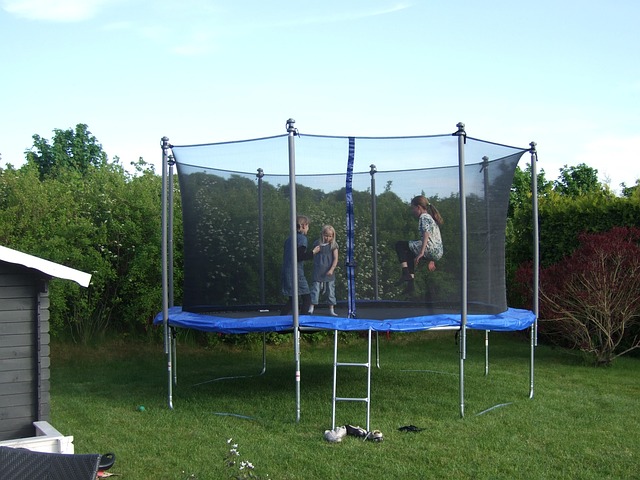
Many parents assume that safety nets and padding eliminate most of the risks associated with trampolines. While these features can reduce certain injuries, they cannot completely prevent accidents.
Several factors contribute to trampoline injuries, including falls, collisions, awkward landings, failed flips, and equipment failure.
Understanding these hazards is the first step toward preventing injuries.
The Hazards of Backyard Trampolines
Falls From the Trampoline
One of the greatest dangers associated with backyard trampolines is falling completely off the jumping surface.
Children can lose their balance while jumping, especially if they attempt tricks or bounce too high. A fall onto the ground can result in broken bones, head injuries, or internal injuries depending on how they land.
Although many modern trampolines include enclosure nets, these should never be viewed as a guarantee of safety. Nets can wear out over time, become damaged, or fail to prevent certain types of falls.
Collisions Between Jumpers
Another common cause of injury occurs when more than one person jumps at the same time.
When multiple children share a trampoline, their movements become unpredictable. One child’s bounce can propel another unexpectedly into the air, causing awkward landings or mid-air collisions.
These accidents frequently lead to:
- Broken bones
- Cuts and bruises
- Dental injuries
- Head trauma
- Neck injuries
Smaller children are especially vulnerable because they can be launched higher by heavier jumpers.
For this reason, many safety experts recommend allowing only one jumper on the trampoline at a time.
Failed Somersaults and Flips
Children often attempt flips after seeing them online, at gymnastics classes, or while watching friends.
Unfortunately, unsuccessful flips are one of the leading causes of serious trampoline injuries.
Landing on the head or neck can result in:
- Cervical spine injuries
- Paralysis
- Concussions
- Permanent neurological damage
Unless properly trained in a supervised gymnastics environment, somersaults and flips should never be attempted on a backyard trampoline.
Pinching and Entrapment
Trampolines contain springs, metal frames, and moving parts that can trap fingers, toes, hands, or feet.
Children may suffer painful pinching injuries if protective spring pads become damaged or shift out of place.
Regular inspections are important to ensure that:
- Safety pads fully cover the springs.
- The frame has no exposed sharp edges.
- Springs are securely attached.
- There are no tears in the jumping mat.
- Safety nets remain securely fastened.
Equipment Failure
Like any outdoor equipment, trampolines deteriorate over time.
Exposure to sunlight, rain, snow, and fluctuating temperatures can weaken materials.
Before each season, inspect the trampoline for:
- Rusted springs
- Bent frames
- Torn jumping mats
- Loose bolts
- Damaged safety nets
- Missing padding
Replacing worn components promptly can help reduce injury risks.
Trampoline Parks Have Risks Too
Indoor trampoline parks have become increasingly popular for birthday parties and family outings. While these facilities often have staff supervision and specialized equipment, injuries still occur.
Common causes of injuries at trampoline parks include:
- Landing awkwardly after high jumps
- Colliding with other participants
- Jumping into foam pits incorrectly
- Performing flips without proper training
- Falling from elevated platforms
Children should always follow park rules, remain within their skill level, and avoid attempting stunts.
How to Stay Safe While Using a Trampoline
Although no trampoline can be considered completely risk-free, following safety recommendations can significantly reduce the chance of injury.
Allow Only One Jumper at a Time
Many injuries happen because multiple children are bouncing simultaneously.
Limiting trampoline use to one person at a time greatly reduces the likelihood of collisions and unpredictable bouncing.
Always Supervise Children
Adult supervision is one of the simplest and most effective safety measures.
Supervising adults should:
- Enforce safety rules.
- Prevent roughhousing.
- Stop dangerous tricks.
- Ensure younger children aren’t jumping with older siblings.
- Check equipment before use.
Remember that supervision means actively watching, not simply being nearby.
Install the Trampoline Properly
Choose a level location away from:
- Trees
- Fences
- Patios
- Garden furniture
- Play structures
- Utility poles
Providing several feet of clear space around the trampoline helps reduce injuries if someone falls.
Use Safety Features
Modern trampolines should include:
- A fully enclosed safety net
- Thick spring padding
- A sturdy frame
- A secure ladder that can be removed when not in use
Even with these features, children should still follow all safety rules.
Avoid Dangerous Tricks
Flips, somersaults, and other aerial stunts should never be attempted on a backyard trampoline.
These maneuvers dramatically increase the risk of serious spinal cord and head injuries.
Check the Weight Limit
Every trampoline has a maximum weight capacity.
Exceeding this limit increases stress on the equipment and raises the risk of structural failure.
Always follow the manufacturer’s recommendations.
Perform Regular Maintenance
Inspect your trampoline frequently for signs of wear.
Replace damaged components immediately and discontinue use if the trampoline no longer meets safety standards.
Should Young Children Use Trampolines?
Many pediatric health experts advise against recreational trampoline use for very young children.
Young children have developing bones and less coordination, making them more susceptible to fractures and growth plate injuries.
If young children are allowed to use a trampoline, they should always be closely supervised and should never jump with older children or adults.
Recognizing a Serious Injury
Seek immediate medical attention if someone experiences:
- Severe pain
- Obvious deformity of an arm or leg
- Loss of consciousness
- Persistent headache after a fall
- Neck or back pain
- Difficulty moving an arm or leg
- Numbness or tingling
- Difficulty breathing
Even injuries that initially seem minor should be evaluated if pain, swelling, or limited movement persists.
Final Thoughts
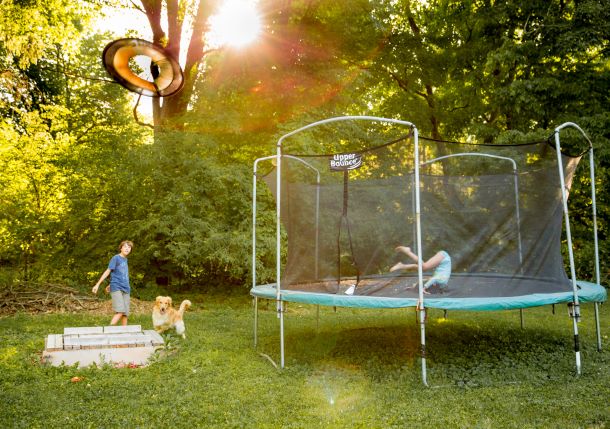
Backyard trampolines can provide fun, exercise, and opportunities for outdoor play, but they also present real risks that every family should understand. Falls, collisions, failed flips, equipment failure, and improper supervision can all lead to injuries ranging from minor sprains to life-altering spinal cord injuries.
By allowing only one jumper at a time, supervising children closely, maintaining equipment, and discouraging risky tricks, families can greatly reduce the likelihood of accidents.
No safety measure can eliminate every risk, but informed decisions and responsible supervision can help ensure that trampoline time remains as safe as possible for everyone involved.