
Your 6-Month Wedding Planning Guide for the Loving Bride
7 min read
1334 words
Planning an outdoor wedding in six months may seem like a challenge, but with a realistic timeline and a little flexibility, you can create a beautiful celebration surrounded by nature. Whether you picture exchanging vows in a garden, celebrating at a rustic barn, or gathering with family and friends beside a lake, an outdoor wedding offers plenty of opportunities to make your day personal.
The key is to choose a suitable location, book essential services early, and think through the practical details that can make an outdoor celebration comfortable for everyone.
Six Months Before: Choose Your Outdoor Wedding Venue
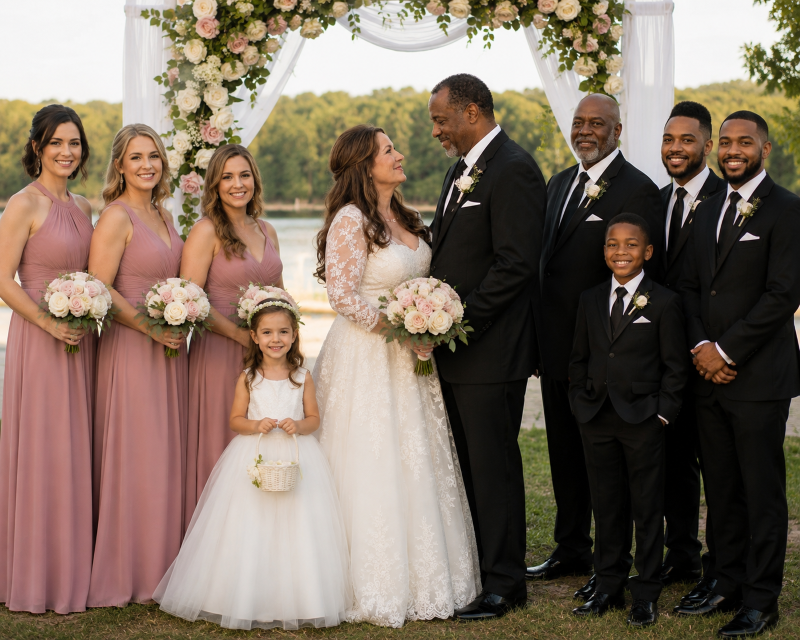
Your venue will influence many of your other decisions, so start here. Look for a location that suits your guest list, budget, and preferred style of celebration. Gardens, farms, private properties, vineyards, and lakeside venues can all provide beautiful outdoor settings.
Before making a booking, ask what is included in the rental fee. Some venues provide tables, chairs, washrooms, lighting, and access to indoor facilities, while others require you to arrange everything separately.
Ask about permits, noise restrictions, parking, accessibility, and the venue’s rules for decorations, candles, and outside vendors. If you are considering a private property, check whether it has sufficient washroom facilities, electricity, drinking water, and space for caterers.
Most importantly, find out what happens if the weather does not cooperate. A nearby indoor room, covered pavilion, or suitable tent can help protect your plans from unexpected rain or excessive heat.
Once you have chosen your venue, confirm your wedding date and begin booking your photographer, caterer, officiant, and other essential services. With only six months to plan, some popular vendors may already be booked, so flexibility with dates and times can help.
Five Months Before: Set Your Guest List and Choose Your Attire

Finalize a working guest list so you can estimate seating, food, rentals, and other expenses. Outdoor venues can have different capacity limits depending on the available facilities, so confirm the maximum number of guests before sending invitations.
Choose wedding attire with the setting in mind. A long train may look beautiful in photographs, but it can be difficult to manage on grass or gravel. Consider how the weather, terrain, and ceremony location may affect your outfit.
Footwear deserves attention, too. Stilettos can sink into grass or become uncomfortable on uneven ground. Block heels, wedges, flats, or dress shoes suited to the surface may be more practical.
If your ceremony or reception will take place during cooler weather, consider layers or a wrap. For a warm summer afternoon, lighter fabrics and breathable clothing may be more comfortable.
This is also a good time to discuss rentals with your venue or suppliers. Depending on what is already provided, you may need chairs, tables, linens, a dance floor, a tent, or portable lighting.
Four Months Before: Plan the Ceremony and Reception Layout
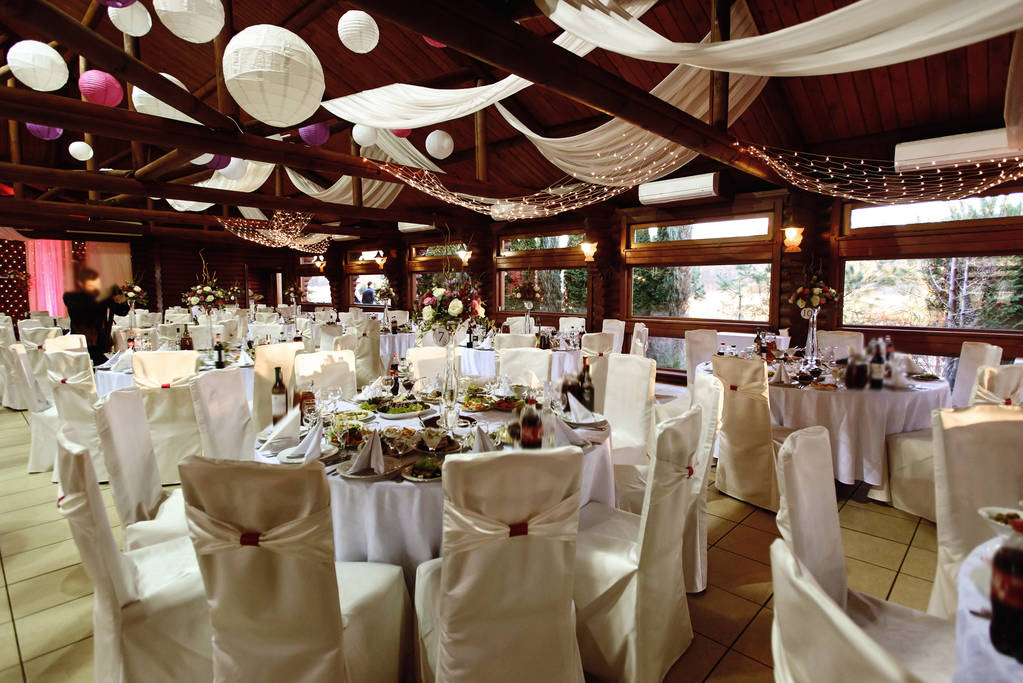
Think about how guests will move through the space. Where will the ceremony take place? Where will guests gather afterward? Is there a convenient route between the ceremony, reception, washrooms, and parking area?
Consider the sun’s position when choosing the ceremony time. Direct sunlight can make guests uncomfortable, particularly during a hot afternoon. Shade, umbrellas, or a covered seating area can help, while a later ceremony may offer softer light for photographs.
If guests will sit on grass, make sure chairs are stable and the ground is reasonably level. Provide a clear route for anyone who has difficulty walking, and consider guests who use mobility aids. Gravel, mud, steep slopes, and long distances between facilities can make an otherwise beautiful venue challenging to navigate.
Work with your caterer to confirm the food preparation and serving arrangements. Ask whether the venue has suitable kitchen facilities, refrigeration, electricity, and shelter from the weather. Food safety is especially important outdoors, where hot temperatures can affect how food must be stored and served.
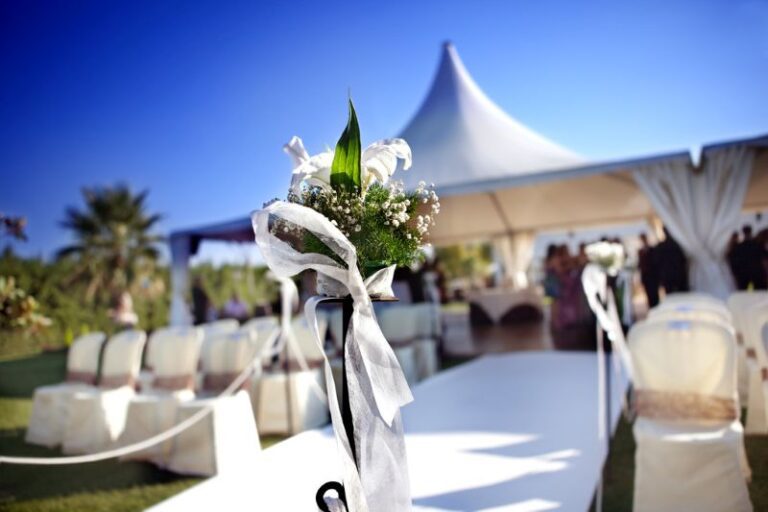
You can also begin planning your decorations. Natural surroundings often provide much of the atmosphere, so you may not need elaborate arrangements. Flowers, greenery, simple table settings, and a few personal touches can complement the landscape without overwhelming it.
Three Months Before: Send Invitations and Confirm Key Details

Send invitations early enough for guests to make travel arrangements. Include the location, ceremony time, parking instructions, and any information guests need to prepare for an outdoor event.
Let guests know whether they should expect grass, gravel, sand, or other uneven surfaces. If the wedding is taking place in a remote area, provide clear directions and information about nearby accommodation where appropriate.
Finalize your menu, confirm rental requirements, and discuss the photography schedule with your photographer. If you want family portraits before sunset, plan enough time for them without rushing the rest of the celebration.
Consider the practical needs of your guests. Depending on the season and location, useful provisions may include water stations, shade, fans, blankets, insect repellent, or sunscreen. If the event will continue after dark, make sure pathways, steps, washrooms, and parking areas are adequately lit.
Two Months Before: Prepare for Changing Weather
An outdoor wedding always involves some uncertainty, even when the forecast looks promising. Your backup plan should be more than a last-minute decision to move indoors.
Confirm when you must decide whether to use the alternative location, who will make that decision, and who will communicate it to vendors and guests. If you are renting a tent, clarify its size, setup requirements, weather limitations, and whether additional flooring or side panels may be needed.
Remember that tents do not automatically make every weather condition safe. Ask your venue or rental provider about appropriate precautions for strong winds, lightning, and other severe weather. Follow their safety guidance and be prepared to move guests indoors or postpone outdoor activities when necessary.
Check your vendor arrangements again, including delivery times, setup access, electrical needs, and the schedule for taking down rented equipment. Keep important contact information in one place so it is easy to find on the wedding day.
One Month Before: Confirm the Final Arrangements
Contact your venue and vendors to confirm numbers, arrival times, outstanding payments, and any special requirements. Review the seating plan and make sure the layout still works for the space.
Prepare a small outdoor wedding emergency kit with items suited to your venue and season. It might include tissues, safety pins, stain remover, blister pads, a phone charger, and a few basic first-aid supplies.
Check the ceremony area for trip hazards and confirm that signs, decorations, and table settings are secure. If you are using candles or other open flames, follow the venue’s rules and fire-safety requirements.
Review the day’s schedule with anyone helping coordinate the event. Make sure each person understands their responsibilities, particularly if you are relying on friends or family to assist with setup.
Make Your Outdoor Wedding Feel Personal
One of the advantages of an outdoor wedding is that the setting can do much of the decorating for you. A garden may need only a few floral arrangements, while a rustic venue might suit simple greenery, warm lighting, and natural textures.
Consider details that reflect your relationship rather than trying to follow every wedding trend. You might display family photographs, use flowers that are meaningful to you, or choose a menu featuring seasonal ingredients.
Think about the atmosphere you want to create. Soft music, comfortable seating, thoughtful lighting, and a welcoming reception space can help guests relax and enjoy the occasion.
Enjoy Your Wedding Day
Six months may not leave time for every elaborate idea, but it is enough to plan a meaningful outdoor celebration when you prioritize the essentials and make decisions in a timely manner.
Focus on the elements that matter most to you, keep communication with your vendors clear, and have practical alternatives for weather and unexpected changes. For more general advice on organizing your day, read our guide to wedding planning tips.
With careful preparation, your outdoor wedding can be a wonderful celebration of your relationship and the people who have come together to share it.