
7 min read
1332 words
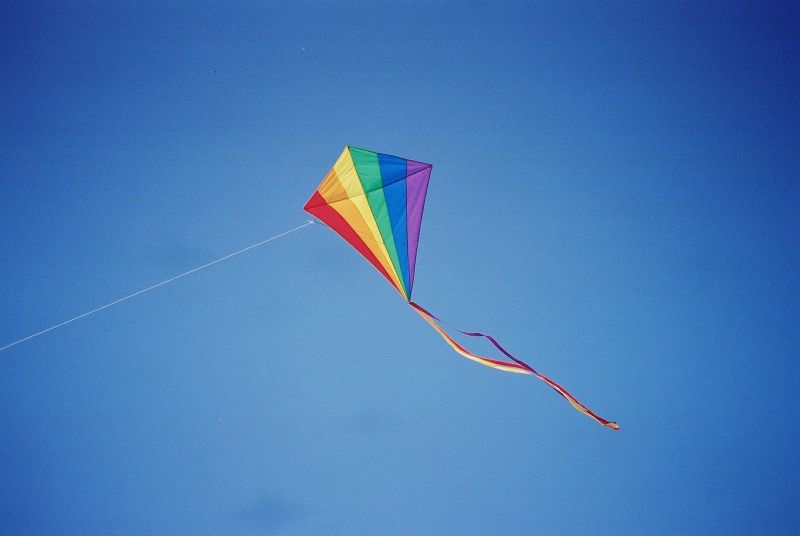
Do you remember flying a kite? There’s a simple, undeniable magic to it. The memory might be a little faded, a sun-bleached snapshot from a childhood long past. You can probably still feel it, though—the gentle but insistent tug on the string, a connection to something wild and free. You remember running, laughing, as a splash of color danced and dipped against an endless blue sky.
In a world saturated with screens and scheduled activities, the simple joy of flying a kite feels more essential than ever. It’s an opportunity to unplug, to connect with nature, and to create core memories with your own children. But that idyllic vision can quickly turn into a frustrating tangle of string and tears if you choose the wrong kite.
The key to a successful, joy-filled day is starting with the right equipment. This guide will walk you through everything you need to know to find the perfect kite for your young aviator, ensuring their first flight is a soaring success.
Why Kite Flying is More Than Just a Toy
Before we dive into the different types of kites, it’s worth appreciating what this timeless activity offers. Flying a kite is a powerful developmental tool disguised as simple fun.
- It’s a Science Lesson in Action: Kids get a tangible lesson in physics without even realizing it. They learn about wind direction, lift, drag, and aerodynamics. They’ll start to understand why a kite needs a tail for stability or how the angle of the string affects its flight.
- It Develops Gross Motor Skills: From running to get the kite aloft to the fine motor control needed to manage the line, kite flying is an active pursuit. It helps with coordination, spatial awareness, and physical stamina.
- It Teaches Patience and Perseverance: Kites don’t always go up on the first try. There will be lulls in the wind and frustrating nosedives. Learning to try again, adjust your technique, and wait for the right moment is an invaluable life lesson in resilience.
- It Encourages Outdoor Play: In an age of digital distraction, kite flying provides a compelling reason to get outside, breathe fresh air, and appreciate the natural world.
- It Fosters Family Bonding: Working together to launch a kite, taking turns holding the line, and celebrating its successful flight is a fantastic way to connect as a family, creating shared moments of triumph you’ll all remember.
The Anatomy of a Perfect Kid-Friendly Kite
Not all kites are created equal, especially when it comes to children. A kite that’s perfect for a seasoned enthusiast will likely be a nightmare for a five-year-old. When shopping for a child’s kite, prioritize these key features over complex designs or professional-grade materials.
- Ease of Assembly: The fastest way to lose a child’s interest is a 30-minute assembly process with confusing instructions. Look for kites that are labeled “Ready to Fly” (RTF) or have minimal parts—ideally just one or two spars (the sticks that form the frame) to insert. Parafoil kites, which have no frame at all, are the ultimate in this category.
- Durability: Kids are not always gentle. Their kites will inevitably crash. A kite made from cheap, thin plastic will tear on the first nosedive, ending the day early. Look for kites made from ripstop nylon or ripstop polyester. This fabric is lightweight but incredibly strong and resists tearing. The frame should be made from resilient fiberglass or carbon, which can bend without snapping.
- Stability in Flight: A kite that tumbles and spins uncontrollably is no fun. The best kites for kids are designed for stability. This is often achieved through two things:
- A good keel: This is the fabric flap at the front of the kite where the line attaches. It helps the kite maintain the correct angle to the wind.
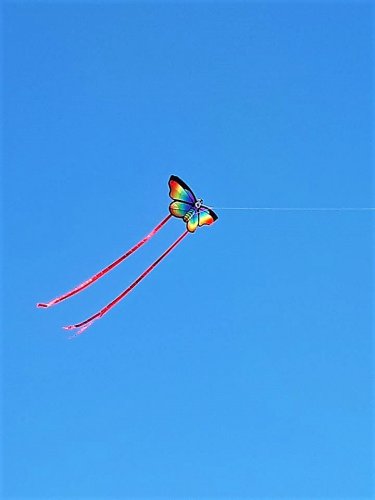
- A long tail: Tails aren’t just for decoration! They add drag and weight to the lower end of the kite, preventing it from over-reacting to gusts of wind and tumbling. For single-line kites, a tail is a beginner’s best friend.
- Simple Launching: Some kites require a strong, steady wind and an expert hand to get them into the air. Kites for kids should be designed to launch easily, even in lighter breezes. Delta and Parafoil kites are champions in this area.
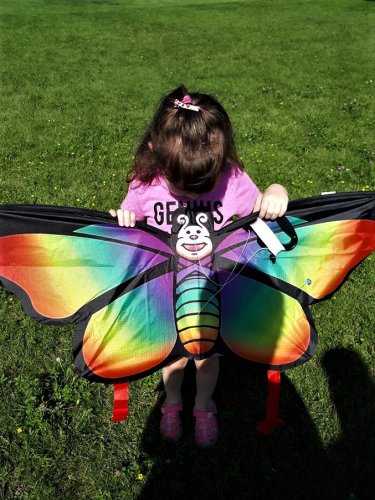
- Engaging Design: While performance is key, let’s not forget the fun factor! A kite shaped like a dragon, a butterfly, an octopus, or a superhero is far more exciting for a child than a plain one. Bright, vibrant colors not only look fantastic against the sky but also make the kite easy to spot.
Top Kite Styles for Young Fliers
Now that you know what to look for, let’s explore the best kite shapes for kids.
1. The Delta Kite If you only buy one kite for a beginner, make it a Delta. This triangular-shaped kite is the undisputed champion of kid-friendly flying.
- Pros: Deltas are incredibly easy to launch and fly. Their aerodynamic shape allows them to perform well in a very wide range of wind conditions, from light breezes to stronger gusts. They are exceptionally stable and often come with little to no assembly required.
- Cons: Honestly, there are very few for beginners. More advanced fliers might find them too simple, but for kids, they are nearly perfect.
- Best For: All ages, from toddlers (with help) to pre-teens. They are the ideal “first kite.”
2. The Parafoil Kite (or Sled Kite) These kites have no rigid frame. They are made of fabric cells that inflate with the wind, creating their shape. Think of a small parachute.
- Pros: With no spars to break or lose, parafoils are virtually indestructible. They fold down into a tiny pouch, making them perfect for travel, tossing in a beach bag, or keeping in the car for spontaneous kite-flying opportunities. There is zero assembly.
- Cons: They generally don’t fly as high as framed kites and require a slightly steadier wind to stay inflated and aloft.
- Best For: Younger children (ages 3-7), families on the go, and windy beach days.
3. The Classic Diamond Kite This is the iconic kite shape from cartoons and storybooks. It’s a timeless classic that still holds its own.
- Pros: The nostalgic design is a huge draw. They are relatively easy to fly in a moderate, steady wind and are very affordable.
- Cons: They can be more unstable than a Delta kite, especially without a long tail. Assembly usually involves connecting a cross-spar, which can be tricky for little hands. They require a bit more wind to get going than a Delta.
- Best For: Kids aged 6+ who have a little more patience and are flying in a location with consistent wind.
Final Tip: A Few Words on Safety and Success Before you head out, remember these quick tips for a perfect day:
- Location is Everything: Find a wide-open space like a park, field, or beach, far away from trees, power lines, and roads.
- Check the Wind: You need wind, but not a gale. If leaves and small twigs are in constant motion, it’s probably a good day to fly.
- Bring Sunglasses: Staring up at a bright sky can be hard on the eyes.
- Never Fly in a Storm: Kites and lightning are a dangerously bad combination.
Choosing the right kite isn’t about finding the most expensive or complex model. It’s about finding the one that removes frustration and maximizes fun. By picking a durable, stable, and easy-to-launch kite like a Delta or a Parafoil, you’re not just buying a toy—you’re setting the stage for a magical experience.
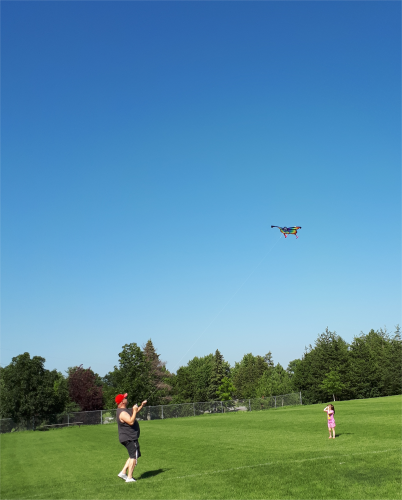
So go ahead. Grab a kite, find an open field, and share that timeless joy with your child. Watch their face light up as the string pulls taut and their kite soars towards the clouds. You won’t just be flying a kite; you’ll be creating a beautiful memory, one that will stay with them for a lifetime.
 Christy Jernigan
  April Franke
oh that butterfly is impressive, and it’s got a rainbow color pattern, my kiddo would absolutely love it!
I have to say the Rainbow Butterfly Kite is beautiful and would be my little ones choice for flying she is such a huge fan of butterflies!
oh I love kites! I could spend hours watching the fly and glide through the air.. I get the same relaxing feeling I have when I’m sitting at the beach listening to the waves crash.