
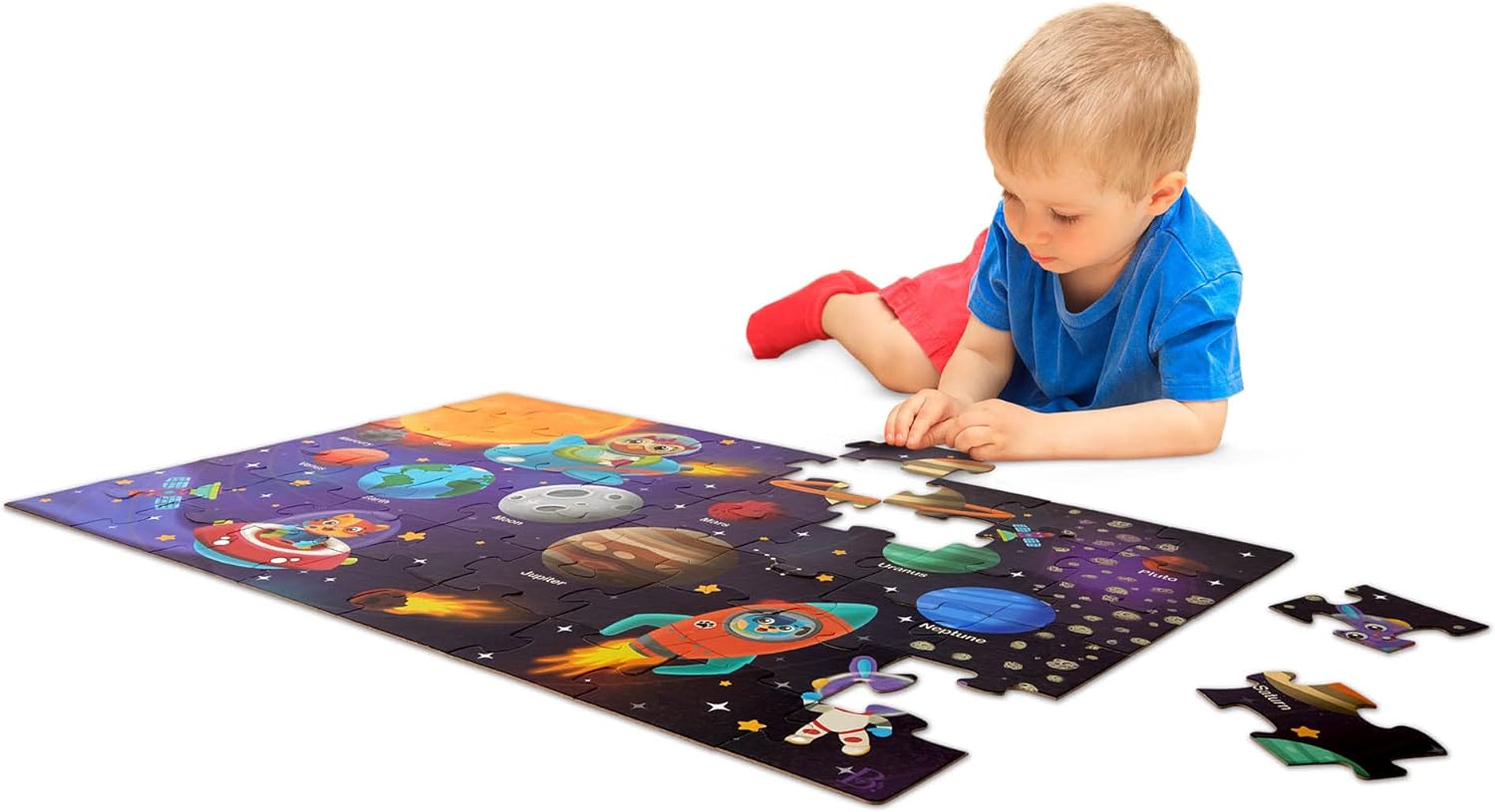
3 min read
551 words
As parents and educators, we’re constantly on the lookout for engaging activities that not only entertain our children but also actively contribute to their development. While screens often dominate playtime, let’s not forget the timeless magic of a simple jigsaw puzzle. More than just a fun pastime, jigsaw puzzles are powerful educational tools, quietly fostering a wealth of crucial skills in our little ones.
The Building Blocks of Brain Power
Jigsaw puzzles, at their core, are a fantastic workout for the developing brain. When a child tackles a puzzle, they’re engaging in a multi-faceted cognitive process. They must first analyze the image on the box, then break it down into smaller, manageable parts. This involves visual discrimination, learning to distinguish between different shapes, colors, and patterns. Next comes the spatial reasoning as they manipulate the pieces, mentally rotating them to find the correct orientation and fit. This intricate dance between observation and manipulation strengthens their understanding of how objects fit together in space – a fundamental skill for everything from building blocks to understanding maps.
Furthermore, completing a puzzle requires problem-solving. Each piece presents a small challenge, and the child must experiment, strategize, and persevere until they find the solution. This process cultivates patience and teaches them that effort leads to reward, a valuable life lesson that extends far beyond the puzzle mat. The sense of accomplishment when that final piece clicks into place is immeasurable, boosting their self-confidence and encouraging them to tackle even more complex tasks in the future.
More Than Just Motor Skills: Developing Coordination and Concentration
While the cognitive benefits are undeniable, the physical advantages of jigsaw puzzles are equally impressive. The act of picking up, turning, and placing small puzzle pieces is a fantastic exercise in fine motor skill development. This precision is crucial for tasks like writing, drawing, and even buttoning clothes. As children work on more intricate puzzles with smaller pieces, their hand-eye coordination is finely tuned, improving their ability to control their movements with accuracy.
In today’s fast-paced world, fostering concentration can be a challenge. Jigsaw puzzles offer a welcome antidote. They require sustained focus, encouraging children to block out distractions and immerse themselves in the task at hand. This ability to concentrate for extended periods is vital for academic success and a cornerstone of effective learning. The quiet focus required to complete a puzzle helps children develop their attention span, training their minds to stay engaged with a single activity.
The Joy of Connection and Collaboration
Jigsaw puzzles aren’t just solitary pursuits. They can be wonderful opportunities for social interaction and communication. Working on a puzzle together, whether with siblings, friends, or parents, encourages cooperation and teamwork. Children learn to share ideas, negotiate strategies, and celebrate successes collectively. This collaborative aspect fosters empathy and strengthens social bonds. They learn to articulate their thoughts, describe pieces, and listen to others’ suggestions, honing their language skills and communication abilities.
So, the next time you’re looking for an enriching activity for your child, reach for a jigsaw puzzle. It’s an investment in their cognitive, physical, and social development, all wrapped up in a fun and rewarding experience. From simple beginner puzzles to more complex challenges, there’s a jigsaw adventure waiting for every child, promising hours of educational enjoyment and a stronger foundation for future learning.
 Christy Jernigan
  April Franke
my daughter enjoys puzzles too. she received 15 approx. from Costco. the only downside is that the pieces are very small.
A puzzle warehouse opened near my work, and the variety of puzzles is amazing. I find puzzles keep everyone engaged on cold, rainy or snowy days.
My daughter and husband both love doing puzzles! I actually hadn’t thought of these for a Christmas gift!
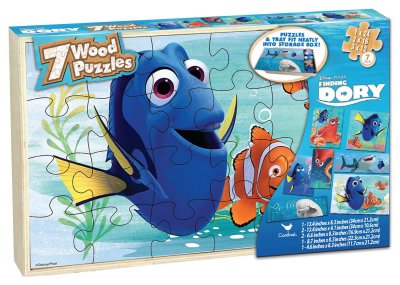
My niece would love the Finding Dory puzzle!