The Prettie Girls Multicultural Fashion Dolls
5 min read
852 words
In recent years, society has undergone a profound cultural reckoning, placing diversity and inclusivity at the forefront of our conversations, policies, and consumer choices. This shift is particularly crucial in the realm of childhood development, where early exposure shapes lifelong perspectives. For decades, the toy industry often presented a limited, sometimes monochromatic, view of the world. Today, however, that is changing, and brands are stepping up to reflect the beautiful complexity of the global community. At the vanguard of this necessary evolution stand The Prettie Girls Multicultural Fashion Dolls. Far more than aesthetically pleasing playthings, these dolls represent a powerful statement on acceptance, self-affirmation, and the celebration of ethnicity. They are a prime example of how the toy box can become a vital tool for fostering global citizenship from a young age.
A Tapestry of Textures and Tones: Redefining Fashion Dolls
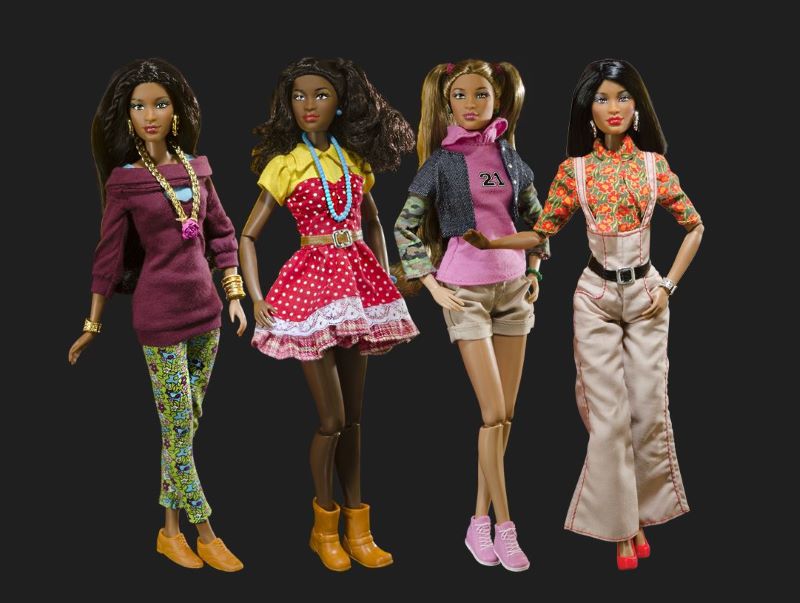
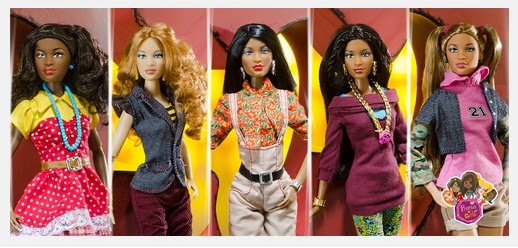
What truly sets The Prettie Girls Multicultural Fashion Dolls apart from their traditional counterparts is a commitment to authentic physical representation. For generations, mass-produced fashion dolls tended toward uniformity, ignoring the vast spectrum of human appearance. The Prettie Girls correct this oversight with meticulous detail.
These dolls offer a diverse range of skin tones that go beyond simple light, medium, and dark—they capture the nuanced complexity of human pigmentation, from deep espresso to warm caramel and delicate olive. More importantly, they celebrate the natural variety of facial features and, critically, hair textures. In a world where dominant beauty standards often reject natural hair, the dolls feature coils, kinks, natural volume, and textures that accurately reflect African American, Latina, and Asian heritage.
This attention to detail ensures that children of all backgrounds can find a doll that accurately mirrors their own physical reality. This simple act of seeing oneself reflected in a toy is transformative, laying the foundational groundwork for self-esteem and validation.
The Mirror Effect: Why Representation in Play is Non-Negotiable
Representation in toys is not a superficial matter; it is crucial for a child’s healthy psychological development. Play is how children process the world, build narratives, and practice social roles. If a child never sees themselves reflected in the objects they are meant to identify with, it can subtly communicate that their appearance or heritage is less important, less desirable, or simply invisible.
For minority children, playing with a doll who shares their skin tone, hair texture, or cultural background provides essential affirmation. It sends an unmistakable message: “You are seen, you are normal, and you are beautiful.” This process, often called the “mirror effect,” boosts self-confidence and establishes a strong sense of identity.
Crucially, the benefits extend to all children. When children from majority backgrounds play with dolls that look different from them, they begin the vital process of learning empathy and appreciation for diversity. This early exposure acts as cultural scaffolding, helping dismantle unconscious biases before they even fully form. By engaging with dolls of various ethnicities, children learn that beauty is multifaceted, and that difference is not a barrier but a source of enrichment.
Beyond Appearance: Weaving Culture into Narrative
The commitment to inclusivity by The Prettie Girls goes far deeper than physical characteristics. To truly promote understanding, the dolls are imbued with rich personalities and backstories that anchor them within specific cultural heritages and traditions.
Each doll is more than a fashion icon; she is a cultural ambassador. For instance, an African American doll might have a passion for choreography rooted in traditional West African dance, while a Latina doll might be a budding poet inspired by the magical realism of her family’s homeland. An Asian doll might express her creativity through traditional arts like calligraphy or K-Pop dance.
By incorporating these authentic cultural elements into the fabric of the dolls’ narratives, The Prettie Girls turn playtime into a dynamic, interactive educational experience. Children are encouraged not only to imagine a doll’s outfit but to explore their history, customs, and geographical origins. This narrative richness fosters a vital curiosity about the world and helps transform abstract concepts of “diversity” into concrete, relatable stories. The dolls become tools for parents and educators to introduce conversations about global customs, cuisines, and languages in a fun and relatable context.
More Than a Toy: A Lesson Plan for Empathy
In a world increasingly focused on belonging and mutual respect, The Prettie Girls Multicultural Fashion Dolls offer remarkable value. They are not merely seasonal entertainment; they are an investment in a child’s moral and emotional intelligence.
By giving children access to these diverse representations, parents and adults are equipping the next generation with the core values necessary to thrive in an interconnected society: empathy, understanding, and acceptance. They teach children that shared humanity is found in celebrating our differences, not overlooking them.
Whether you are looking to diversify an existing collection or seeking the perfect gift that offers both imagination and meaning, The Prettie Girls dolls stand out as a powerful choice. Through their vibrant personalities, unique attributes, and dedicated cultural backstories, they inspire hours of imaginative play while quietly instilling the profound lesson that every child, and every culture, deserves to be seen and celebrated.