
Home Health Care Innovations Transforming Modern Care
6 min read
1175 words
In today’s fast-paced world, the need for innovative solutions in home health care has never been greater. As the population ages and more people choose to receive care in the comfort of their own homes, technology is playing an increasingly important role in improving safety, independence, and quality of life. Home health care innovations are changing the way patients, caregivers, and healthcare providers approach medical support. From remote monitoring systems and wearable devices to smart home technology and virtual healthcare appointments, these advancements are making it possible for people to receive personalized care while remaining in familiar surroundings.
By embracing new technologies, families and healthcare professionals can provide better support, improve communication, and help patients manage their health more effectively.
The Rise of Telehealth Technology
Telehealth technology has become one of the most significant advancements in modern home health care. Through video appointments, remote monitoring tools, and mobile healthcare applications, patients can connect with doctors, nurses, and specialists without needing to travel to a clinic or hospital.
Virtual consultations provide many benefits, including:
- Faster access to healthcare professionals.
- Reduced travel time for patients with mobility challenges.
- Improved management of chronic conditions.
- Easier follow-up appointments and medication reviews.
- Greater convenience for caregivers and families.
For seniors and individuals living in rural areas, telehealth can provide valuable access to healthcare services that may otherwise be difficult to reach.
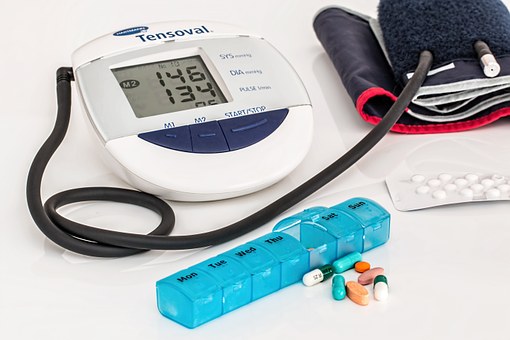
Remote monitoring devices can also track important health information, such as blood pressure, heart rate, blood glucose levels, and oxygen levels. This allows healthcare providers to identify potential concerns earlier and make timely adjustments to treatment plans.
Wearable Medical Devices
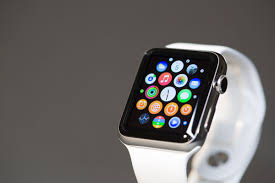
Wearable medical technology has become increasingly popular in home health care settings. Devices such as smartwatches, fitness trackers, and specialized medical monitors allow individuals to track important health information throughout the day.
Modern wearable devices can help monitor:
- Heart rate and activity levels.
- Sleep patterns.
- Blood oxygen levels.
- Fall detection.
- Medication reminders.
- Emergency alerts.
These devices encourage patients to take a more active role in managing their health. For individuals living with chronic conditions, wearable technology can provide valuable information that helps healthcare providers create more personalized care plans.
For older adults, fall detection features can be especially beneficial by alerting caregivers or emergency services when assistance is needed.
Medical Alert Systems and Emergency Support
Medical alert systems continue to be an important innovation for individuals who want to remain independent while having access to immediate help when needed.
Personal emergency response systems, including wearable emergency buttons and fall detection devices, allow users to quickly contact assistance during a medical emergency, accident, or unexpected fall.
These systems provide peace of mind for both individuals and their families by ensuring that help is available with the press of a button.
Many modern medical alert systems now include:
- GPS location tracking.
- Two-way communication.
- Automatic fall detection.
- Mobile emergency response options.
- 24-hour monitoring services.
For seniors aging in place, these technologies can make living independently safer and more comfortable.
Smart Home Technology for Safer Living
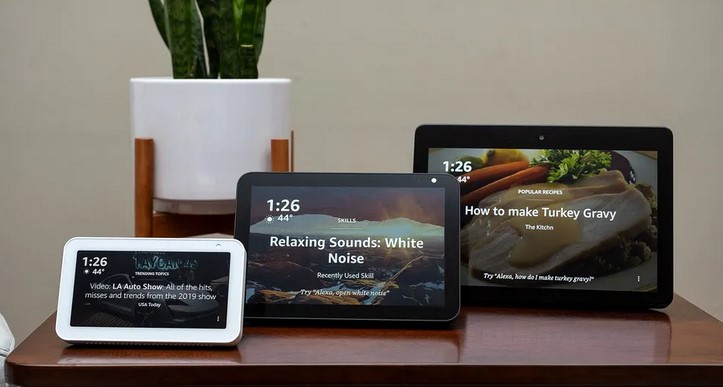
Smart home technology is another innovation transforming home health care. Devices designed for convenience and safety can help individuals with mobility challenges, disabilities, or cognitive changes maintain greater independence.
Examples of smart home health care technology include:
- Voice-activated assistants.
- Automated lighting systems.
- Smart door locks.
- Medication reminder systems.
- Temperature control devices.
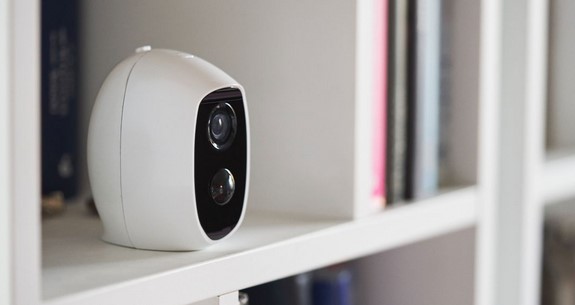
- Home monitoring cameras.
These tools can help simplify daily routines and reduce safety risks. For example, automated lighting can prevent falls by ensuring hallways and rooms are properly illuminated, while smart medication systems can remind patients to take prescriptions on schedule.
Caregivers can also benefit from smart home technology by receiving alerts when unusual activity occurs, allowing them to provide support while respecting the individual’s independence.
Along with technology, making practical changes to the home environment can further improve safety and independence. Explore our guide on Home Modifications for Seniors: Safe Aging at Home for ideas that can help create a more accessible living space.
Advanced Communication Tools Improve Care Coordination
Communication is essential in effective home health care. New digital communication tools make it easier for patients, caregivers, and healthcare providers to stay connected.
Secure messaging platforms, healthcare apps, and virtual communication systems allow care teams to share updates, coordinate appointments, and respond quickly to changing health needs.
Better communication can lead to:
- Improved coordination between healthcare providers.
- Fewer misunderstandings about treatment plans.
- Faster responses to health concerns.
- More personalized patient care.
For families providing support to aging relatives, these tools can make managing appointments, medications, and healthcare information much easier.
Artificial Intelligence in Home Health Care
Artificial intelligence (AI) is beginning to play a larger role in healthcare innovation. AI-powered tools can help analyze health information, identify patterns, and support healthcare professionals in making informed decisions.
Potential uses of AI in home health care include:
- Predicting health risks before symptoms become serious.
- Supporting medication management.
- Improving remote patient monitoring.
- Providing virtual health assistants.
- Helping caregivers organize care information.
While technology cannot replace human connection and professional medical care, AI can provide additional support that helps improve efficiency and patient outcomes.
The Benefits of Home Health Care Innovations
The continued development of healthcare technology offers many benefits for patients and caregivers, including:
Greater Independence
Technology allows many individuals to remain at home longer while still receiving necessary support and monitoring.
Improved Safety
Emergency alerts, fall detection, and smart home devices help reduce risks and provide faster assistance when problems occur.
Better Access to Healthcare
Telehealth and remote monitoring make healthcare services more accessible, especially for people who have transportation challenges or live in remote communities.
Personalized Care
Digital tools provide healthcare professionals with more information, allowing them to create care plans based on each individual’s needs.
Challenges of Home Health Care Technology
While these innovations offer many advantages, there are also challenges to consider. Some individuals may find new technology difficult to learn, especially older adults who are not comfortable with digital devices.
Other concerns include:
- Privacy and security of personal health information.
- The cost of purchasing advanced equipment.
- Reliable internet access for telehealth services.
- The need for training and technical support.
The Future of Home Health Care
The future of home health care will continue to be shaped by advances in technology. As more people choose to age in place and receive care at home, innovations will play an important role in supporting independence, safety, and better health outcomes.
From wearable medical devices and smart homes to artificial intelligence and virtual healthcare, these advancements are helping create a more connected and patient-focused approach to caregiving.
Conclusion
Home health care innovations are transforming the way people receive medical support in the comfort of their own homes. Telehealth technology, wearable devices, medical alert systems, smart home solutions, and advanced communication tools are making care more accessible, personalized, and effective.
By embracing these advancements, healthcare providers, caregivers, and families can improve the quality of life for individuals while helping them maintain independence and dignity. As technology continues to evolve, the future of home health care will offer even more opportunities for safer, smarter, and more compassionate care.