Sciatica: Symptoms, Causes & Fast Pain Relief
21 min read
4069 words
If you’ve ever felt a nagging pain starting in your lower back, shooting through your buttock, and traveling down your leg, you might be experiencing sciatica. This common condition can be incredibly disruptive, making everyday activities like sitting, walking, or even sleeping a challenge. You’re not alone. About 40% of people experience sciatica at some point in their lives, often wondering what causes it, how to find sciatica pain relief, and how long it will last. This comprehensive guide is designed to help you understand exactly what sciatica is, why it causes such distinctive pain, who is most likely to develop it, and most importantly, what you can do about it.
Sciatica is pain caused by irritation or compression of the sciatic nerve. It usually starts in the lower back or buttock and travels down one leg. Common causes include a herniated disc, spinal stenosis, and piriformis syndrome. Most cases improve with exercise, stretching, medication, and physical therapy, although severe cases may require surgery.
What Is Sciatica?
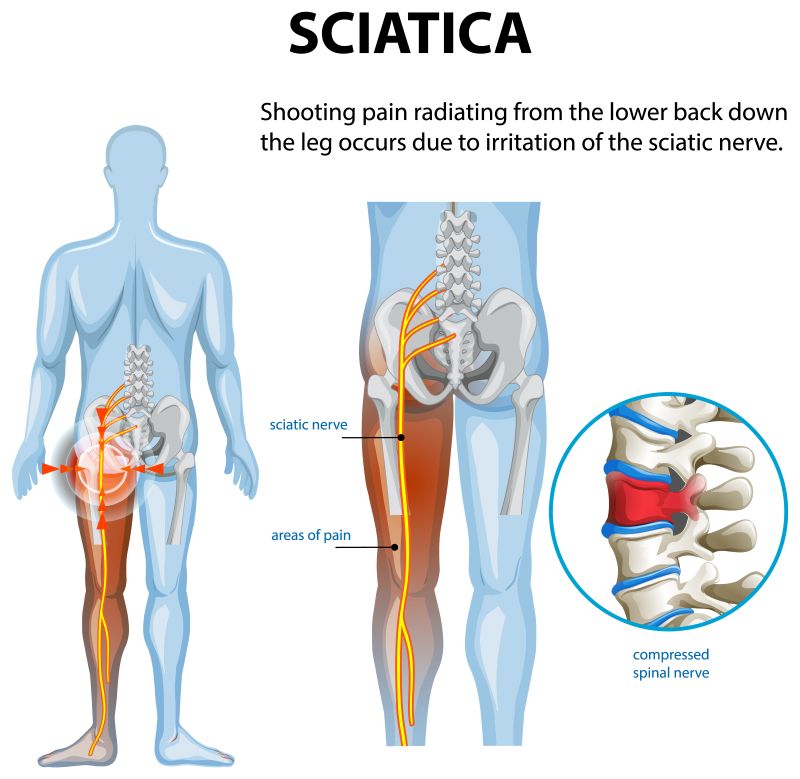
Sciatica isn’t a condition itself, but rather a symptom of an underlying problem affecting the sciatic nerve. It’s characterized by pain that radiates along the path of this large nerve, which branches from your lower back through your hips and buttocks and down each leg.
The sciatic nerve is the longest and widest nerve in your body. It plays a crucial role, providing sensation to your legs and feet, and controlling many of the muscles in your lower legs. When this nerve becomes compressed, irritated, or inflamed, it sends pain signals that can manifest anywhere along its pathway.
Why nerve compression causes pain: When pressure is placed on the sciatic nerve, it can disrupt the normal transmission of nerve signals. This compression can lead to inflammation, causing pain, tingling, numbness, and even muscle weakness in the areas the nerve supplies. Think of it like a garden hose with a kink. The water flow (nerve signals) gets interrupted, leading to problems downstream.
Sciatica vs. general lower back pain: It’s important to distinguish sciatica from general lower back pain. While both involve the back, the key difference with sciatica is that the pain distinctly travels or radiates down one leg, often below the knee, following the nerve’s path. General lower back pain, on the other hand, typically remains localized to the back itself.
What makes sciatica flare up.
Examples:
- sitting too long
- coughing
- sneezing
- driving
- bending
- twisting
- lifting heavy objects
- wearing unsupportive shoes
Where Is the Sciatic Nerve Located?
Understanding the sciatic nerve’s path helps explain why the pain travels where it does.
- The sciatic nerve originates from several nerve roots that exit the spinal cord in your lower spine, specifically from L4 to S3.
- These nerve roots then merge to form a single, thick nerve that travels deep through the buttocks (underneath the piriformis muscle).
- From there, it runs down each leg, branching into smaller nerves as it reaches the knee, supplying sensation and muscle control all the way to your feet and toes.
Common Sciatica Symptoms
Sciatica symptoms can vary from a mild ache to a sharp, burning, or excruciating pain. They typically affect only one side of your body and can include:
Pain that travels down one leg
This is the hallmark symptom, often extending from your lower back or buttock into the back of your thigh, calf, or even your foot.
Buttock pain
A deep, aching, or sharp pain in one side of your gluteal region.
Lower back pain
While less prominent than leg pain, discomfort in the lower back is often the starting point.
Burning or shooting pain
Often described as an electric shock sensation, this type of pain is characteristic of nerve irritation.
Tingling (“pins and needles”)
A sensation of pins and needles, similar to when your leg “falls asleep.”
Numbness
Areas of reduced sensation or complete numbness in the leg or foot.
Muscle weakness
Difficulty moving your leg or foot, or a feeling of “giving way.”
Pain that worsens when sitting
Prolonged sitting can put direct pressure on the sciatic nerve, intensifying symptoms.
Difficulty standing or walking
Severe pain, weakness, or numbness can make it challenging to bear weight or move around comfortably.
What Causes Sciatica?
Sciatica occurs when something compresses or irritates the sciatic nerve. Several conditions can lead to this pressure:
Herniated (slipped) disc
This is the most common cause. When the soft, gel-like center of a spinal disc pushes through its outer layer and presses on a nerve root.
Bone spurs
Also known as osteophytes, these bony growths can develop on the vertebrae and narrow the space available for nerve roots.
Spinal stenosis
A narrowing of the spinal canal, which can put pressure on the spinal cord and nerve roots, often due to age-related degeneration.
Degenerative disc disease
As discs naturally wear down with age, they can lose height, bulge, and become less effective at cushioning, leading to nerve compression.
Piriformis syndrome
The piriformis muscle, located deep in the buttock, can spasm and compress the sciatic nerve as it passes beneath or through the muscle. This is a common cause of pain from buttock down leg.
Pregnancy
The increased weight, hormonal changes that loosen ligaments, and pressure from the growing uterus can all put stress on the sciatic nerve.
Injury or trauma
Direct injury to the spine or pelvis can damage or compress the sciatic nerve.
Tumors or infections (rare)
In rare cases, a spinal tumor or infection can press on the sciatic nerve. It’s important to rule these out if symptoms are unusual or accompanied by other warning signs.
Who Is at Risk for Sciatica?
Certain factors can increase your likelihood of developing sciatica:
- Age: As you age, natural wear and tear on the spine increases the risk of herniated discs, bone spurs, and spinal stenosis.
- Obesity: Excess body weight puts increased stress on your spine, which can contribute to disc problems.
- Sedentary lifestyle: A lack of physical activity can weaken core muscles, leading to poor spinal support and posture.
- Heavy lifting: Jobs or activities that involve frequent heavy lifting, especially with improper technique, can strain the back and discs.
- Jobs involving prolonged sitting: Desk jobs or long-haul driving often contribute to poor posture and pressure on the sciatic nerve.
- Diabetes: This condition can increase the risk of nerve damage (diabetic neuropathy), including the sciatic nerve.
- Smoking: Nicotine can reduce blood supply to the spinal discs, accelerating degeneration.
- Poor posture: Maintaining improper posture while sitting, standing, or lifting can put undue stress on your spine.
Degenerative Disc Disease and Sciatica
Degenerative disc disease is a common age-related condition where spinal discs gradually break down, losing flexibility and height over time. While it does not always cause symptoms, it can become a source of lower back pain and stiffness.
In some cases, disc degeneration leads to bulging or herniated discs that press on nearby spinal nerve roots. When these nerves are affected, it can result in sciatica pain, which typically starts in the lower back or buttock and travels down one leg, sometimes with tingling, numbness, or weakness.
Most cases of degenerative disc disease are managed with conservative treatments such as gentle exercise, physical therapy, posture correction, and anti-inflammatory pain relief.
How Is Sciatica Diagnosed?
Diagnosing sciatica typically involves a combination of medical history, physical examination, and sometimes imaging tests.
- Medical history: Your doctor will ask about your symptoms, when they started, what makes them better or worse, and your overall health.
- Physical exam: This includes checking your reflexes, muscle strength, and sensation in your legs and feet. Your doctor may ask you to walk on your toes and heels or to squat.
- Straight leg raise test: This classic test involves lying on your back while your doctor slowly raises your affected leg. If it causes pain that radiates down your leg, it often indicates sciatic nerve compression.
- MRI (Magnetic Resonance Imaging): Uses radio waves and a strong magnetic field to produce detailed images of soft tissues, excellent for showing herniated discs, tumors, or spinal cord compression.
- CT scan (Computed Tomography): Uses X-rays to create cross-sectional images of the spine, particularly good for visualizing bone structures like bone spurs or spinal stenosis.
- X-rays: Can rule out bone fractures, tumors, or severe arthritis, but don’t show soft tissue problems like herniated discs.
- EMG (Electromyography): A nerve conduction study that measures how fast electrical signals travel through your nerves and how well your muscles respond, helping to pinpoint nerve compression and damage.
Fast Relief for Sciatica at Home
Many cases of sciatica improve with self-care and conservative treatments. Here’s how to find fast relief and manage your symptoms at home:
Stay active
While rest might seem appealing, prolonged bed rest can actually worsen sciatica. Gentle movement is often better.
Walking
Short, gentle walks can help reduce inflammation and improve blood flow. Listen to your body and stop if pain increases. (More on this below!)
Ice therapy
Apply an ice pack to the painful area (lower back or buttock) for 15-20 minutes several times a day, especially during the first 48-72 hours of acute pain, to reduce inflammation.
Heat therapy
After the initial acute phase (or if you prefer), switch to heat therapy using a heating pad or warm bath. Heat can help relax tight muscles and improve blood circulation.
Gentle stretching
Specific stretches can help alleviate pressure on the sciatic nerve by improving flexibility and mobility. (See “Best Sciatica Stretches” below).
Improve posture
Be mindful of your posture, especially when sitting or lifting. Use a lumbar support pillow if needed.
Better sleeping positions
Adjusting how you sleep can significantly reduce pressure on your sciatic nerve. (See “Best Sleeping Positions for Sciatica” below).
Over-the-counter pain relievers
NSAIDs like ibuprofen (Advil, Motrin) or naproxen (Aleve) can help reduce pain and inflammation. Always follow dosage instructions.
Lumbar support cushions
If you spend long periods sitting, a lumbar support cushion can help maintain the natural curve of your lower back and reduce pressure on the sciatic nerve. Choose a cushion that supports your lower spine without pushing you too far forward. Proper posture combined with lumbar support may help reduce pain during work, driving, or travel.
Standing desks
Alternating between sitting and standing can reduce prolonged pressure on the lower back and hips. If you use a standing desk, switch positions every 30 to 60 minutes instead of standing all day. Standing for extended periods can also increase discomfort, so regular movement is key.
Foam rollers (use with caution)
Foam rolling may help loosen tight muscles in the hips, glutes, hamstrings, and lower back that contribute to discomfort. However, avoid rolling directly over the lower spine or the area where the sciatic nerve is causing sharp pain. If foam rolling increases your symptoms, stop using it and consult a healthcare professional.
TENS machines
A Transcutaneous Electrical Nerve Stimulation (TENS) machine uses gentle electrical impulses to help reduce pain signals. While it doesn’t treat the underlying cause of sciatica, some people find temporary relief when using a TENS unit as part of a broader treatment plan. Follow the manufacturer’s instructions and ask your healthcare provider if you’re unsure whether it’s appropriate for you.
Massage guns (avoid directly over the nerve)
Massage guns can help relax tight muscles surrounding the sciatic nerve, particularly in the glutes, hips, and hamstrings. Use the device on low to moderate settings and avoid applying it directly over the area where the nerve is irritated or causing shooting pain, as this may worsen symptoms.
Topical pain creams
Over-the-counter pain relief creams, gels, and patches containing ingredients such as menthol, capsaicin, lidocaine, or diclofenac may provide temporary relief from muscle soreness associated with sciatica. While these products won’t treat nerve compression, they can help ease discomfort in surrounding muscles.
Anti-inflammatory diet
Eating a balanced diet rich in anti-inflammatory foods may support overall health and help reduce chronic inflammation. Include foods such as fatty fish, leafy greens, berries, nuts, seeds, olive oil, and whole grains. Limiting highly processed foods, sugary drinks, and excessive saturated fats may also support your recovery.
Stay hydrated
Proper hydration supports healthy spinal discs, muscles, and other tissues throughout the body. While drinking more water won’t cure sciatica, staying well hydrated helps your body function optimally and may reduce muscle tightness that can contribute to discomfort.
Avoid activities that worsen symptoms
Pay attention to what aggravates your pain and try to modify or avoid those activities.
Best Sciatica Stretches
Gentle stretching can be incredibly effective for relieving sciatica by decompressing the nerve, improving flexibility, and strengthening supporting muscles. Remember to move slowly and stop if you feel sharp pain.
- Knee-to-chest stretch: Lie on your back, bring one knee to your chest, hold, then repeat with the other leg.
- Figure-four stretch: Lie on your back, cross one ankle over the opposite knee, and gently pull the bottom leg towards your chest. This targets the piriformis muscle.
- Piriformis stretch: Similar to the figure-four, but often performed seated or by crossing one leg over the other while standing.
- Hamstring stretch: Gently stretch your hamstrings by placing your heel on a raised surface and leaning forward slowly, or by gently pulling your leg towards you while lying down.
- Cat-Cow stretch: On hands and knees, arch your back (Cow) then round it (Cat) to gently mobilize the spine.
- Child’s Pose: A restorative yoga pose that stretches the lower back and hips.
- Pelvic tilt: Lie on your back with knees bent, flatten your lower back against the floor, engaging your core.
Medical Treatments for Sciatica
If home remedies and stretches aren’t enough, your doctor may recommend other treatments:
Physical therapy
A physical therapist can guide you through specific exercises to strengthen core muscles, improve flexibility, correct posture, and reduce nerve compression.
Prescription medications
Your doctor might prescribe stronger anti-inflammatory drugs, muscle relaxants, nerve pain medications (like gabapentin or pregabalin), or even oral corticosteroids for short-term relief.
Corticosteroid injections
An epidural steroid injection delivers powerful anti-inflammatory medication directly around the affected nerve roots to reduce inflammation and pain. The relief is often temporary but can provide a window for physical therapy to be more effective.
Chiropractic care
Chiropractors use spinal adjustments and other manual therapies to improve spinal alignment and reduce nerve irritation.
Massage therapy
Can help relax tight muscles, including the piriformis, and improve blood flow, often providing temporary relief.
Acupuncture
This traditional Chinese medicine technique involves inserting thin needles into specific points on the body, which some studies suggest can help manage chronic pain, including sciatica.
Surgery (when necessary)
For a small percentage of people, surgery may be considered if conservative treatments fail and symptoms are severe or worsening.
When Is Surgery Needed?
Surgery for sciatica is usually a last resort, considered only after several weeks or months of conservative treatment have failed. Your doctor might recommend surgery if you experience:
- Severe nerve compression: When imaging tests show significant pressure on the nerve.
- Progressive muscle weakness: If your leg or foot weakness is getting worse.
- Loss of bladder or bowel control: This is a rare but serious condition called cauda equina syndrome and requires immediate emergency surgery.
- Persistent pain despite conservative treatment: If chronic, debilitating pain significantly impacts your quality of life.
The most common surgical procedures for sciatica include microdiscectomy (removing part of a herniated disc) and laminectomy (removing part of the bone to decompress the nerve).
How Long Does Sciatica Last?
“How long does sciatica last?” is a common question, and the answer varies depending on the cause and severity.
- Acute sciatica: Most cases are acute, meaning they come on relatively quickly and resolve within a few weeks to 3 months with proper care. Many people experience significant relief within 4-6 weeks.
- Chronic sciatica: In some individuals, sciatica can persist for longer than 3-6 months, becoming chronic. This might require more intensive or ongoing management.
Recovery timeline: The recovery timeline is highly individual. Some people feel better in a few days, while others might take several months.
Factors affecting healing:
- The underlying cause (a small disc bulge may resolve faster than severe spinal stenosis).
- Your age and overall health.
- Adherence to treatment plans (physical therapy, exercises).
- Lifestyle factors (smoking, activity levels).
Can Walking Help Sciatica?
For many people, yes, walking can help sciatica. It’s often recommended as a gentle way to stay active.
Benefits:
- Improves circulation: Helps bring healing nutrients to the affected area.
- Strengthens muscles: Supports spinal stability.
- Reduces stiffness: Keeps the spine and hips mobile.
- Releases endorphins: Nature’s pain relievers.
When to avoid walking: If walking significantly increases your pain, causes new numbness or weakness, or feels excruciating, it’s best to stop and consult your doctor.
Walking tips:
- Start with short, frequent walks (5-10 minutes) rather than one long one.
- Choose flat, even surfaces.
- Wear comfortable, supportive shoes.
- Maintain good posture, looking forward, with shoulders relaxed.
- Swing your arms gently.
Recommended duration: Gradually increase your walking time as tolerated. Aim for 20-30 minutes most days if comfortable, but always listen to your body.
Best Sleeping Positions for Sciatica
Finding a comfortable sleeping position can make a huge difference in managing sciatica pain relief.
- Side sleeping with pillow: Lie on your side with a pillow placed firmly between your knees. This helps keep your hips, pelvis, and spine in proper alignment, reducing twisting and pressure on the sciatic nerve.
- Back sleeping with pillow under knees: If you prefer sleeping on your back, place a pillow or rolled towel under your knees. This helps flatten your lower back, maintaining the natural curve of your spine and reducing pressure.
Positions to avoid: Stomach sleeping often causes your back to arch unnaturally and can twist your neck, potentially aggravating sciatica.
What Makes Sciatica Worse?
Understanding what aggravates your symptoms is key to managing sciatica effectively.
- Prolonged sitting: Especially on soft surfaces or with poor posture, it puts direct pressure on the sciatic nerve. This is why “how to sit with sciatica” is a common concern.
- Poor lifting technique: Bending from the waist instead of using your legs to lift can strain your back and discs.
- Twisting movements: Sudden or forceful twisting of the spine can exacerbate nerve compression.
- High-impact exercise: Activities like running or jumping can jar the spine and worsen inflammation.
- Lack of movement: While certain movements can cause pain, prolonged inactivity (like bed rest) can lead to stiffness and weaker supporting muscles.
- Poor posture: Slouching, hunching, or uneven weight distribution can put undue stress on your spine and nerves.
Sciatica vs. Other Causes of Leg Pain
Many conditions can cause leg pain, but sciatica has distinct characteristics. Here’s how it differs from some common culprits:
| Condition | Key Difference |
|---|---|
| Sciatica | Pain follows the sciatic nerve path, originating in the lower back or buttock and radiating down one leg, often accompanied by tingling, numbness, or weakness. This is the definition of lower back pain down leg. |
| Piriformis syndrome | Pain arises from the piriformis muscle compressing the sciatic nerve, typically felt deep in the buttock and down the back of the thigh. It mimics true sciatica but doesn’t always involve a spinal issue. This is sciatica vs. piriformis syndrome. |
| Herniated disc | This is often a cause of sciatica. The leg pain occurs because the disc material is directly pressing on a spinal nerve root, leading to sciatic symptoms. |
| Muscle strain | Pain is usually localized to the muscle itself, often dull or aching, and doesn’t typically involve nerve symptoms like tingling or numbness that radiate down the leg. |
| Sacroiliac joint dysfunction | Pain is typically felt in the lower back, buttock, or groin area, usually on one side, due to inflammation or dysfunction of the joint connecting the spine to the pelvis. It may radiate to the thigh but rarely goes below the knee in a consistent nerve pattern. |
When Should You See a Doctor?
While many cases of sciatica resolve on their own with conservative care, it’s important to know when to seek professional medical advice.
You should see a doctor if:
- Pain lasting more than a few weeks: If your symptoms don’t improve with home care after a couple of weeks.
- Severe pain: If the pain is excruciating and significantly interferes with your daily activities.
- Numbness or weakness: If you experience increasing numbness, tingling, or muscle weakness in the affected leg.
- Difficulty walking: If your ability to walk or stand is significantly impaired.
- Symptoms affecting daily life: If the pain is impacting your work, sleep, or overall quality of life.
Seek Emergency Care Immediately If You Have: These symptoms could indicate a serious condition like cauda equina syndrome, which requires urgent medical attention:
- Loss of bladder or bowel control: Inability to control urination or defecation.
- Saddle numbness: Numbness in the groin, inner thighs, and buttock area.
- Sudden leg weakness: Rapidly developing weakness in one or both legs.
- Severe pain after trauma: If your sciatica began after a fall or injury.
- Fever or unexplained weight loss with back pain: These could signal an underlying infection or tumor.
Can Sciatica Be Prevented?
While not all cases of sciatica are preventable, especially those related to age and genetics, you can significantly reduce your risk by adopting healthy habits:
- Regular exercise: Strengthen your back and core muscles to provide better support for your spine.
- Strengthen core muscles: A strong core (abdominal and back muscles) is crucial for maintaining proper spinal alignment.
- Stretch regularly: Keep your hamstrings, glutes, and lower back flexible.
- Lift properly: Always lift with your legs, keeping your back straight, and avoid twisting.
- Maintain a healthy weight: Excess weight puts added stress on your spine.
- Improve posture: Be mindful of your posture whether sitting, standing, or sleeping.
- Avoid prolonged sitting: Take frequent breaks to stand, stretch, and walk around if your job requires long periods of sitting.
- Stop smoking: Tobacco use can impair blood flow to spinal discs, increasing their degeneration.
Frequently Asked Questions
Can sciatica go away on its own?
Yes, many cases of acute sciatica resolve on their own within a few weeks to a few months with conservative care, including rest, gentle activity, and home remedies.
Is walking good for sciatica?
Generally, yes. Gentle walking can help reduce inflammation, improve blood flow, and strengthen supporting muscles. However, if walking increases your pain, stop and consult a doctor.
Is bed rest recommended?
No, prolonged bed rest is generally not recommended. While a day or two of rest might be needed for severe pain, gentle activity and movement are usually more beneficial for recovery.
Can sciatica affect both legs?
Sciatica typically affects only one leg. If you experience symptoms in both legs, especially with bladder/bowel issues, it could indicate a more serious condition and requires immediate medical attention.
What is the fastest way to relieve sciatica?
There’s no single “fastest” way, as it depends on the cause. A combination of ice/heat, over-the-counter pain relievers, gentle stretching, and avoiding aggravating activities often provides the quickest relief. Consult a healthcare professional for personalized advice.
How should I sleep with sciatica?
The best sleeping positions are on your side with a pillow between your knees, or on your back with a pillow under your knees, to maintain spinal alignment.
Can stress make sciatica worse?
Yes, indirectly. Stress can lead to muscle tension, especially in the back and hips, which can exacerbate sciatica symptoms or make you more sensitive to pain.
Can exercise cure sciatica?
Exercise can significantly alleviate symptoms, strengthen supporting muscles, improve spinal health, and prevent recurrence. While it may not “cure” the underlying cause (like a large herniated disc), it’s a cornerstone of effective sciatica management and recovery.
Conclusion
Sciatica, though often uncomfortable and debilitating, is a condition that most people can effectively manage and overcome. By understanding what causes sciatica, recognizing its unique symptoms, and implementing appropriate strategies, you can find significant sciatica pain relief.
Remember, while many cases of sciatica improve with conservative care and home remedies, it’s crucial to listen to your body. If your pain is severe, persistent, accompanied by numbness or weakness, or if you experience any concerning warning signs like loss of bladder or bowel control, please seek medical evaluation promptly. Taking proactive steps and working with healthcare professionals can help you get back to a life free from sciatic pain.
Medical Disclaimer: This article is for informational purposes only and is not a substitute for professional medical advice, diagnosis, or treatment. Always consult a qualified healthcare provider about any medical concerns. Seek emergency medical care immediately if you experience severe symptoms such as loss of bladder or bowel control, saddle numbness, or sudden leg weakness.