
Taking Care of Your Teeth: 5 Things You Can Do
4 min read
798 words
Your teeth are among the most important assets you possess. They help you eat, speak clearly, and smile with confidence. Yet many people neglect their dental health until a problem becomes serious. The good news is that maintaining healthy teeth does not require complicated procedures or expensive treatments. By adopting a few simple habits and making them part of your daily routine, you can protect your teeth and keep them strong for decades to come.
1. Brush and Rinse Thoroughly Every Day
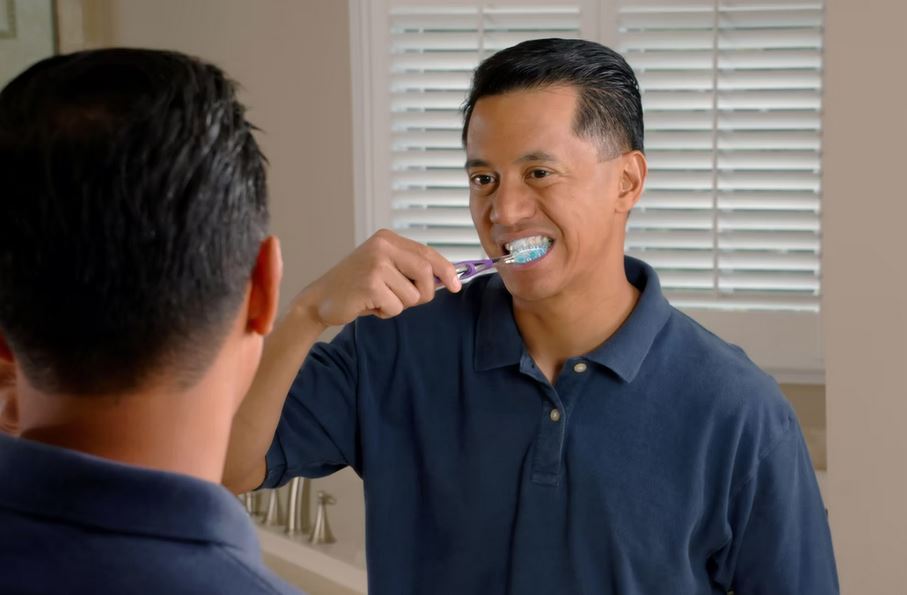
Brushing is the foundation of any good dental hygiene routine. Most dental professionals recommend brushing your teeth at least twice per day, ideally in the morning and before bed, using a soft-bristled toothbrush and fluoride toothpaste, which helps strengthen enamel and prevent decay. Spend at least two minutes on the task, making sure to reach all surfaces including the backs of your teeth and your gum line. Use gentle, circular motions rather than aggressive back-and-forth scrubbing, which can damage your gums over time. In addition to fluoride toothpaste, incorporating a fluoride mouthwash into your routine may provide an extra layer of protection, since it reaches areas that brushing alone might miss and helps make your enamel more resistant to decay. If you use fluoride mouthwash, follow the product directions and avoid rinsing your mouth with water immediately afterward. It is also generally better to use mouthwash at a different time from brushing so you do not wash away the concentrated fluoride left behind by your toothpaste.
2. Floss Every Single Day
While brushing cleans the visible surfaces of your teeth, floss reaches the spaces between them where your toothbrush cannot. These tight spaces are where food particles and bacteria like to hide, and they can lead to cavities and gum disease if left unchecked. Daily flossing removes plaque from these areas and helps prevent the buildup that causes tooth decay. You can use traditional string floss, water flossers, or interdental picks, whichever you find most comfortable to use consistently. What matters most is that you floss once per day, preferably before bed, so your teeth stay clean while you sleep.
3. Limit Sugary Foods and Drinks
Sugar is one of the biggest enemies of dental health. When you consume sugary foods or beverages, bacteria in your mouth feed on that sugar and produce acid as a byproduct, which attacks your tooth enamel and creates cavities. Soft drinks, candy, pastries, and sweetened juices are obvious culprits, but sugar hides in many foods that people do not realize are problematic, including flavored yogurt and granola. If you do consume sugary items, try to eat them in one sitting rather than sipping or snacking throughout the day, giving your saliva time to neutralize the acid between exposures rather than leaving your teeth under constant attack.
4. Visit Your Dentist Regularly

Even with perfect home care, you need professional dental attention on a regular basis. Your dentist can detect problems like cavities, gum disease, and other oral health concerns in their early stages, when they may be easier to treat. During a cleaning, a hygienist removes tartar buildup that brushing and flossing alone cannot address, since tartar hardens on teeth over time and requires professional instruments to remove. Regular checkups also give your dentist a chance to assess your overall oral health and provide personalized recommendations based on your specific situation.
For patients who have experienced significant tooth loss and are exploring restorative options, professional dental care is also an important part of determining whether treatments such as dental implants in Columbus may be appropriate and maintaining oral health over the long term. Skipping dental visits might save money in the short term, but it can lead to more serious and costly problems down the road.
5. Protect Your Teeth from Injury
If you play contact sports or engage in activities with a risk of dental injury, wear a mouthguard to protect your teeth from trauma. A properly fitted mouthguard can be the difference between keeping a tooth intact and losing it entirely. Similarly, avoid using your teeth as tools to open packages or crack nuts, as this can cause chips and cracks that compromise the tooth’s structure. If you grind your teeth at night, talk to your dentist about getting a nightguard, since teeth grinding, often caused by stress or sleep disorders, can wear down enamel and cause significant damage over time.
Conclusion
Taking care of your teeth requires commitment, but the effort pays off in the form of a healthier smile and fewer dental problems. By brushing and rinsing thoroughly, flossing regularly, limiting sugar, visiting your dentist, and protecting your teeth from injury, you are taking meaningful control of your dental health. These five practices form the backbone of good oral hygiene and can help you maintain strong, healthy teeth throughout your life.