Waist trainers – A Comprehensive Guide
9 min read
1645 words
Waist trainers have experienced a dramatic resurgence in popularity over the past decade, moving from niche workout gear to a mainstream fashion and fitness accessory. Fueled by celebrity endorsements and viral social media trends, these high-compression garments promise the allure of an hourglass figure and a pathway to a slimmer silhouette.
Yet, alongside the glossy advertisements, a robust debate exists. Are waist trainers a harmless tool for aesthetic enhancement, or do they pose genuine health risks? As professionals dedicated to health and fitness information, this article cuts through the hype to provide a comprehensive, informative overview of waist trainers—exploring their mechanism, purported benefits, critical risks, and how to use them safely and effectively.
What Exactly Are Waist Trainers?
Waist trainers are defined as high-compression shaping garments worn around the midsection, designed to instantly cinch the waist and create the temporary visual effect of a smaller circumference. While they draw historical lineage from Victorian-era corsetry, modern waist trainers are fundamentally different in both material and application.
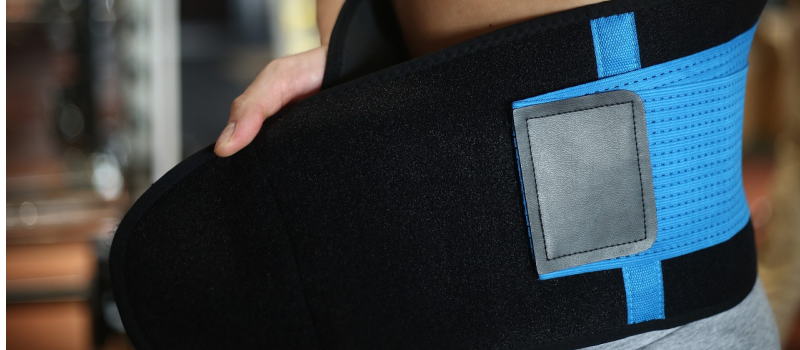
Unlike traditional steel-boned corsets, which are rigid and focus on permanent bodily displacement, contemporary trainers are typically constructed from flexible, yet strong, materials such as latex, spandex, neoprene, or thick polyester blends. They utilize adjustable closures (usually hook-and-eye or Velcro) that allow the wearer to progressively tighten the garment, maintaining high pressure on the abdomen and lower ribs.
Waist trainers are often marketed for use during exercise, capitalizing on the temporary increase in core temperature and perspiration—a process some refer to as a “thermogenic effect”—though their primary function remains compression and aesthetic shaping.
The Appeal: Understanding the Benefits
For many users, the choice to wear a waist trainer is driven by immediate, visible results and psychological motivation. While the effects are largely temporary, the perceived benefits contribute significantly to their widespread adoption.
Instant Aesthetic Results
Undeniably, the most appealing aspect of a waist trainer is the immediate transformation it provides. By physically compressing the soft tissue around the waist and abdomen, the garment instantly creates a more defined, hourglass silhouette. For users seeking to wear form-fitting clothing or wanting a quick boost in confidence, this instant slimming effect is invaluable, offering a temporary body contour that might take months of healthy habits to achieve naturally.
Enhanced Posture Support
Waist trainers provide a rigid external frame of support to the torso. When worn correctly, this forced structure encourages the wearer to maintain an upright stance. This benefit can be particularly helpful for individuals who struggle with slouching during long periods of sitting or standing. By restricting the ability to bend easily forward or sideways, the trainer encourages the proper alignment of the spine. However, it is crucial to note that this is external support; the garment supports the posture but does not strengthen the muscles involved in maintaining it naturally.
The Psychological Lift and Motivation
Beyond the physical changes, many users find waist trainers to be a powerful motivational tool. Seeing an instantly slimmer figure can reinforce commitment to fitness and health goals. Furthermore, the constant, gentle pressure serves as a physical reminder of the wearer’s health objectives. For some, the discomfort of the garment subtly encourages better dietary choices simply because the feeling of a full stomach is immediately amplified when compressed.
The Critical Perspective: Weighing the Risks
While the benefits focus on temporary aesthetics and support, the primary concerns surrounding waist training relate to physiological function and long-term musculoskeletal health. Professional medical consensus generally cautions against prolonged and overtightened usage due to several inherent risks.
Respiratory and Circulation Concerns
One of the most immediate and serious risks associated with waist trainers is the restriction of the respiratory system. When cinched too tightly, the garment limits the movement of the diaphragm, the primary muscle responsible for breathing.
- Shallow Breathing: Compression can force shallow, vertical chest breathing rather than deep, diaphragmatic breathing. In periods of exertion (like exercise), this limitation can lead to shortness of breath, dizziness, and reduced oxygen intake.
- Circulation: Excessive compression can impede blood flow, potentially leading to numbness, tingling, or restricted circulation throughout the trunk and lower extremities if worn too continuously or tightly.
Internal Organ and Digestive Stress
The internal organs—particularly the stomach, intestines, and lower esophagus—are designed to shift and move within the abdominal cavity. High, consistent pressure from a waist trainer can compress these organs, interfering with their natural functions.
- Digestive Disruption: Compression of the stomach can lead to acid reflux (GERD), as stomach acid is pushed upward into the esophagus. Furthermore, pressure on the intestines can slow down the natural process of peristalsis, contributing to digestive discomfort, bloating, and constipation.
- Organ Displacement Theory: While modern trainers rarely cause the severe organ displacement associated with historical corsetry, extreme, long-term use can still put undue pressure on the rib cage and internal structures, potentially causing pain or discomfort.
Potential for Core Muscle Atrophy
Perhaps the most significant long-term risk relates to core strength. The body’s natural core—the network of deep muscles including the transverse abdominis, obliques, and pelvic floor—is responsible for stabilizing the spine and maintaining posture.
When a waist trainer provides constant, external support, the core muscles are effectively relieved of their natural workload. Over time, consistent reliance on the garment can lead to dependency and muscle deconditioning or weakening. This can be counterproductive to true fitness goals, as a weakened core can increase the risk of back injury when the trainer is removed. Fitness professionals universally stress that genuine core strength comes from internal engagement, not external restriction.
Skin Health and Hygiene
Due to the constricting materials (often latex or neoprene) and the heat generated during wear, waist trainers can create a hot, moist environment against the skin. This can lead to various dermatological issues:
- Chafing and Irritation: The continuous friction and pressure can cause skin chafing, redness, and irritation, particularly near the edges of the garment.
- Heat Rash and Folliculitis: The buildup of sweat and heat makes the area susceptible to heat rash (miliaria) and bacterial or fungal infections like folliculitis. Proper hygiene and limiting wear time are crucial to mitigating these risks.
Practical Application: Ideal Usage and Safety
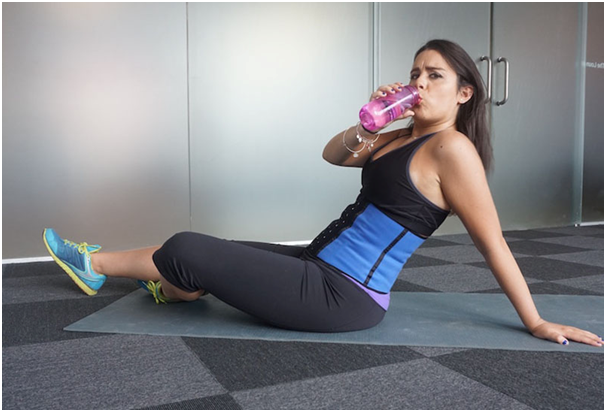
If you choose to incorporate a waist trainer into your routine, adherence to safety guidelines and realistic expectations is paramount. Waist trainers should be viewed as an adjunct tool, not a primary method for fitness or weight loss.
The Importance of Proper Sizing and Fit
The cardinal rule of waist training is that it should never cause pain, lightheadedness, or significant difficulty breathing. Many users make the mistake of choosing a trainer that is too small, aiming for maximum compression immediately.
- Measure Accurately: Always rely on accurate body measurements and the specific sizing chart provided by the manufacturer.
- Avoid Restriction: The garment must allow for comfortable movement and full lung capacity. If you cannot take a deep breath or if you feel sharp pain, the trainer is too tight and should be adjusted or sized up immediately.
Start Slow and Monitor Duration
Just as with any new fitness routine, the body needs time to adapt to compression. New users should begin with minimal wear time.
Start by wearing the trainer for only one to two hours per day. Gradually increase the duration only if the previous wear time was comfortable and pain-free. Most expert recommendations suggest limiting wear to no more than 8 hours per day and ensuring significant breaks to allow the core muscles to engage naturally. Never sleep in a waist trainer, as this prevents necessary adjustments the body makes during rest.
Integrating Waist Training into a Healthy Lifestyle
Waist trainers are most effective when they are paired synergistically with proven methods of weight management and body conditioning. They are not a substitute for diet and exercise.
- Prioritize Nutrition: Long-term waist reduction and fat loss are achieved through a balanced, calorie-controlled diet rich in nutrients.
- Focus on Core Strengthening: Paradoxically, using a waist trainer should be accompanied by dedicated core strengthening exercises (planks, bridges) when the garment is off. This ensures that the internal muscles are strong enough to support the spine when the external support of the trainer is removed.
Expert Insight: Separating Fact from Fiction
Health professionals generally approach waist trainers with cautious skepticism. Their primary concern is the promotion of temporary aesthetic fixes over sustainable, foundational health practices.
Waist trainers can be a useful tool for enhancing the appearance of the waist temporarily, and they may provide positive motivation. However, the notion that they can permanently relocate fat, melt inches off the waist through heat, or significantly reduce the size of the skeletal structure (the ribs) is largely mythological.
The perceived lasting reduction often comes from a temporary shift in fluid and the user’s commitment to healthy habits while wearing the trainer. Once use is discontinued, if those healthy habits are not maintained, the body will revert to its natural shape.
It is absolutely essential to maintain realistic expectations. True, lasting body transformation comes from consistency in nutrition, cardiovascular health, and strength training. Prioritizing overall health, internal strength, and wellness should always supersede purely aesthetic goals.
Conclusion
Waist trainers occupy a unique space in the fitness and fashion industries, offering immediate visual appeal and serving as a motivational cue for many. They provide instant aesthetic slimming and temporary postural support, which can certainly boost confidence.
However, these benefits must be balanced against the significant physiological risks, including restricted breathing, potential digestive distress, and, critically, the weakening of the body’s intrinsic core musculature.
By using waist trainers judiciously, choosing the correct size to avoid excessive compression, and—most importantly—pairing them with a comprehensive program of exercise and healthy eating, you can minimize potential risks. Remember to listen attentively to your body, seeking professional advice from a medical provider or physical therapist if you experience persistent discomfort. Your long-term health and internal strength are always the most valuable assets.